How to Clean Invisalign Retainers: A Practical Guide to Keeping Them Clear, Safe, and Odour-Free
Invisalign retainers (often clear thermoplastic retainers such as Vivera™) are designed to hold teeth in their corrected position after orthodontic treatment. Because they fit tightly against teeth and are worn for long hours each day, they are constantly exposed to saliva, plaque, and food particles. Over time, this environment allows a sticky bacterial layer called biofilm to develop on the retainer surface.
TL;DR - Quick Cleaning Guide
- Clean Invisalign retainers every morning and evening to prevent bacteria, plaque, and staining.
- Rinse immediately after removal using lukewarm (not hot) water.
- Brush gently with a soft toothbrush and clear liquid soap (such as mild dish soap).
- Avoid toothpaste, which can scratch the plastic and make retainers cloudy.
- Never use hot water, as heat can warp the thermoplastic material.
- Avoid harsh chemicals or bleach that can damage the retainer surface.
- Deep clean regularly by soaking retainers in Invisalign™ Cleaning Crystals (around 15 minutes) or another retainer‑safe cleanser.
- Rinse thoroughly before wearing after any soaking or cleaning.
- Store retainers in a protective case whenever they are not in your mouth.
- Clean the retainer case regularly to prevent bacteria transfer.
A consistent routine helps prevent bad breath, cloudy trays, and early retainer replacement
Why cleaning Invisalign Retainers matters?
Invisalign retainers (often clear thermoplastic retainers such as Vivera™) are designed to hold teeth in their corrected position after orthodontic treatment. Because they fit tightly against teeth and are worn for long hours each day, they are constantly exposed to saliva, plaque, and food particles.
Over time, this environment allows a sticky bacterial layer called biofilm to develop on the retainer surface.
Why do retainers get dirty so quickly?
- Retainers sit tightly against teeth and trap saliva proteins
- Long daily wear (often overnight or 20+ hours)
- Limited airflow between the retainer and teeth
- Food particles and plaque can become trapped under the tray
If retainers are not cleaned consistently, this buildup can lead to:
- Persistent odour
- Cloudy or dull plastic
- Yellow staining
- Increased bacterial exposure in the mouth
What do orthodontists say?
The American Association of Orthodontists (AAO) notes that retainers regularly come into contact with saliva, plaque, and food debris. Without proper cleaning, this can contribute to:
- Bad breath
- Tooth decay
- Gum inflammation
- Shortened retainer lifespan
Good retainer hygiene is therefore not just cosmetic. A consistent cleaning routine helps keep the appliance:
- Clear and stain-free
- Comfortable to wear
- Properly fitting
- Safe for long-term oral health
What are Invisalign Retainers are made of?
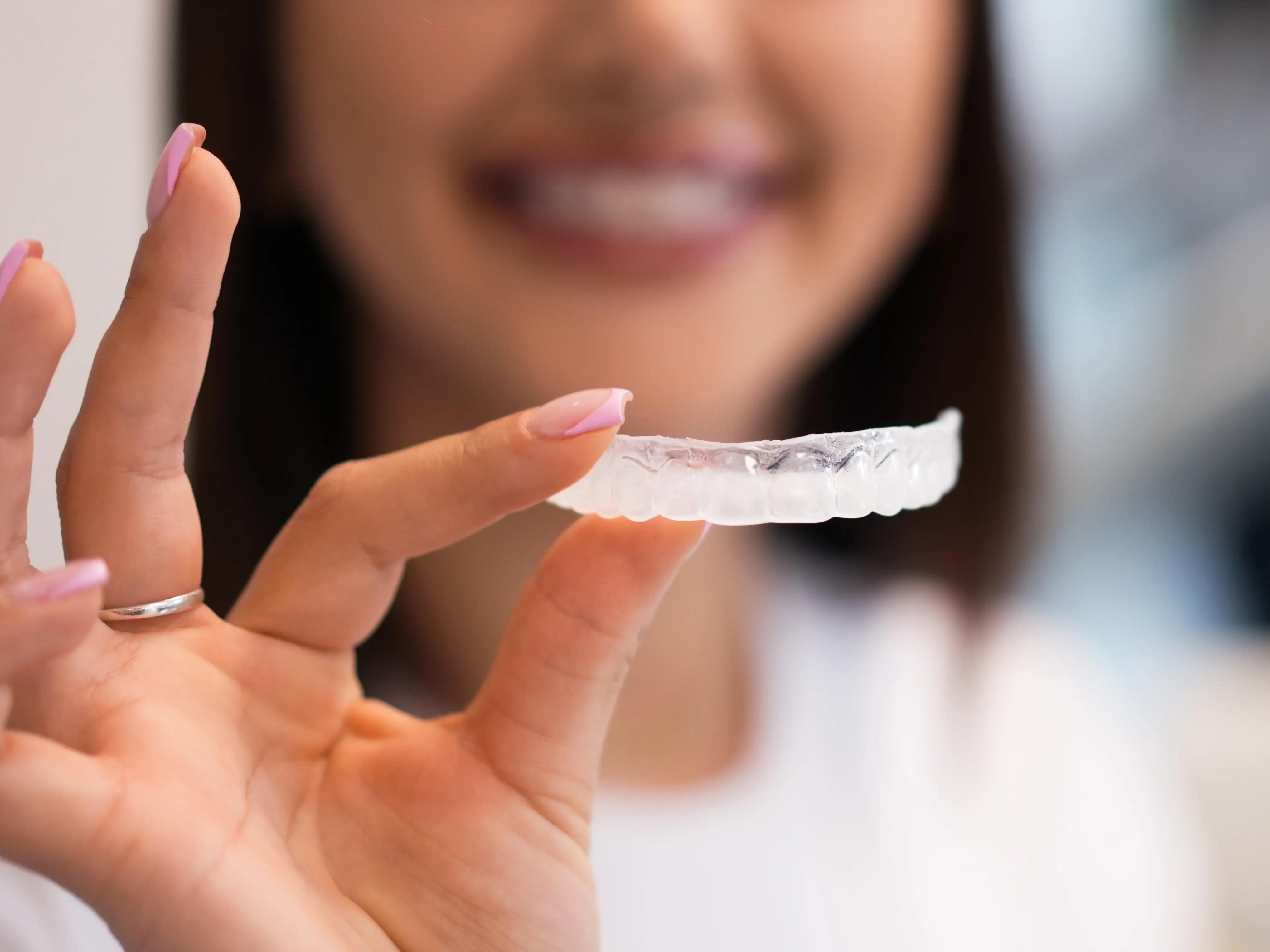
Most Invisalign-style retainers are made from medical-grade thermoplastic, typically polyurethane-based plastic used in clear aligner systems. This material is chosen because it is transparent, lightweight, and comfortable, allowing the retainer to sit snugly against the teeth while remaining nearly invisible.
However, thermoplastic has a few important characteristics that influence how it should be cleaned and handled.
Key properties of Invisalign retainer material
- Heat sensitive - hot water or high temperatures can warp the plastic and affect how the retainer fits.
- Clear and smooth - transparency makes stains, scratches, and cloudiness more noticeable.
- Slightly porous surface - plaque and odor-causing bacteria can cling if the retainer is not cleaned properly.
Manufacturer guidance for Vivera™ retainers specifically advises avoiding hot water, strong chemicals, and heat sources. These can distort the appliance or damage the surface.
Because of these material properties, the goal of cleaning is simple: remove plaque and biofilm while protecting the smooth, clear surface of the plastic.
How often should you clean Invisalign Retainers?
Daily cleaning routine
Aim to clean your retainers every day. The AAO recommends rinsing in lukewarm water each time you remove it and brushing daily with a dedicated toothbrush and dish soap, while avoiding toothpaste.
Weekly deep cleaning
Even with daily brushing, build in a deeper clean. The AAO suggests using a retainer cleaning tablet/solution about once per week (often 10-20 minutes), and it also mentions diluted hydrogen peroxide soaks as an option.
After eating or drinking
Remove retainers for meals and for drinks other than water. Invisalign’s retainer guidance and Vivera instructions emphasize removing them for eating/drinking (except water) to reduce stains and cavity risk.
Why frequency matters
Biofilm and staining increase the longer residue sits on the retainer. Research on clear aligners shows biofilm formation increases with extended wear time, reinforcing why “quick rinse now” beats “scrub later.”
Step-by-Step: How to clean Invisalign Retainers properly

Step 1: Rinse Immediately After Removal
Rinse your retainer as soon as you take it out. Use lukewarm water (not hot) to wash away saliva and prevent buildup from drying onto the surface. Guidance from the American Association of Orthodontists (AAO) specifically warns against using hot water because heat can damage or warp thermoplastic retainers.
Step 2: Brush Gently
Use a soft toothbrush reserved only for your retainer. Apply a small amount of clear liquid soap (mild dish soap is commonly recommended) and gently brush all surfaces, inside and out. Avoid heavy pressure, the goal is to remove the thin biofilm layer, not to scrub or scratch the plastic.
Step 3: Rinse Thoroughly
Rinse the retainer well until no soap residue remains. Proper rinsing improves comfort and prevents any soap taste when wearing the retainer. If you can still smell soap on the tray, continue rinsing until it is completely clean.
Step 4: Soak the Retainer
Soaking helps clean areas brushing may miss and can reduce odor, bacteria, and staining.
Choose one of the following options:
- Invisalign™ Cleaning Crystals: Dissolve one packet in warm water and soak the retainer for about 15 minutes, then rinse thoroughly.
- Retainer cleaning tablets: The AAO recommends occasional soaking in a retainer-cleaning tablet or solution, usually 10-20 minutes.
- Diluted hydrogen peroxide (occasional use): The AAO lists peroxide soaks as a stain and bacteria removal option. Always dilute and rinse thoroughly afterwards.
- Diluted white vinegar solution (occasional use): Sometimes used to loosen mineral deposits, but it should be diluted and used sparingly, followed by thorough rinsing.
If your orthodontist has provided specific cleaning instructions, those should always take priority.
Step 5: Final Rinse Before Wearing
Before putting the retainer back in your mouth, give it a final rinse with lukewarm water. If the retainer has been soaking, rinse both the retainer and the soaking container thoroughly. Invisalign Cleaning Crystal instructions also emphasize rinsing the appliance and container before wearing.
Cleaning methods that work best
Invisalign Cleaning Crystals
If you want the most “plug-and-play” option, Invisalign Cleaning Crystals are designed specifically for aligners/retainers. The official instructions describe soaking in a crystal solution for roughly 15 minutes, then rinsing thoroughly.
Retainer Cleaning Tablets
Tablets can be convenient for weekly maintenance. The AAO recommends a retainer tablet/solution soak about once per week (often 10-20 minutes) for bacteria and debris removal. Choose tablets intended for orthodontic appliances, and avoid anything your manufacturer warns against.
Mild Soap Cleaning
For day-to-day cleaning, mild clear soap is hard to beat: it’s simple, inexpensive, and gentle. The AAO specifically recommends brushing with dish soap and avoiding toothpaste. A 2025 randomized crossover clinical trial in BMC Oral Health found that colorant-free clear soap caused the least color change and had minimal impact on surface integrity-supporting it as a safe daily option.
Hydrogen Peroxide Soak
For occasional stain or odor issues, the AAO includes hydrogen peroxide soaks as an option (again, dilution and timing are important). Rinse thoroughly afterward and don’t overdo it-if you need frequent “strong” soaks, it’s a sign to review daily habits.
Vinegar Solution
Vinegar is sometimes used to help loosen mineral buildup. Because it’s acidic, keep it occasional, dilute it, and rinse extremely well afterward. Research comparing cleaning agents in vivo has included vinegar as a cleaning method for Invisalign aligners, suggesting it’s a commonly used approach, though not necessarily the best for every situation.
What Not to Use on Invisalign Retainers

Toothpaste
Most toothpastes are formulated to scrub stains off enamel, great for teeth, risky for clear thermoplastics. The AAO explicitly says avoid using toothpaste on retainers. A 2024 study on vacuum-formed retainer materials also notes that brushing can create scratches that become sites for bacterial attachment, and it links toothpaste use with decreased transparency.
Hot Water
Heat can distort thermoplastic. The AAO warns to avoid hot or boiling water; if water feels too hot on your skin, it’s too hot for your retainer. Vivera instructions similarly caution against hot water and heat sources.
Mouthwash
Soaking in mouthwash is a common mistake. Invisalign’s product guidance says it does not recommend cleaning aligners/retainers with mouthwash, and Vivera instructions also warn against soaking in mouthwash because it can damage the surface and make it dull. Supporting this, a study on thermoplastic retainer materials found alcohol-based mouthwash decreased light transmittance (making retainers less clear) for copolyester material.
Bleach or Strong Chemicals
The AAO cautions against bleach and harsh chemicals, noting they can degrade materials and leave harmful residues. Stick to mild soap or appliance-safe cleaners.
Dishwasher Cleaning
Dishwashers combine heat and detergents, both can damage retainers. Instructions for thermoplastic retainers warn against heat sources (including dishwashers) because distortion ruins fit.
How to Prevent Staining and Odours
Cleaning is easier when you prevent the mess in the first place. These habits make a noticeable difference:
- Follow the “water-only” rule while wearing retainers. Invisalign’s retainer guidance says removable retainers can be taken out during meals and when drinking anything other than water; Vivera instructions echo this to reduce stains, cavities, and warping risk.
- Brush and floss before reinserting. This reduces trapped food and plaque under the tray.
- Avoid coffee, tea, red wine, and smoking while wearing. Vivera guidance discourages tobacco due to discoloration risk.
- Don’t “air-dry” your retainer on random surfaces. Place it in a protective case when it’s out of your mouth.
If odor keeps returning, it usually means biofilm is developing faster than your routine is removing it, tighten up daily brushing and add a weekly soak.
Signs Your Retainer Needs a Deep Clean
Watch for these common red flags:
- a cloudy, dull, or yellow look
- persistent odor even after brushing
- a visible film or buildup in grooves
- a bad taste when you insert it
These signs often mean plaque/biofilm has built up beyond what a quick brush removes. Try a deeper clean (like Invisalign Cleaning Crystals or a retainer-safe tablet soak) and reassess your routine. The AAO also recommends contacting your orthodontist if odors or stains persist, sometimes the issue is microscopic wear or damage where bacteria can linger.
How to Store Invisalign Retainers Properly
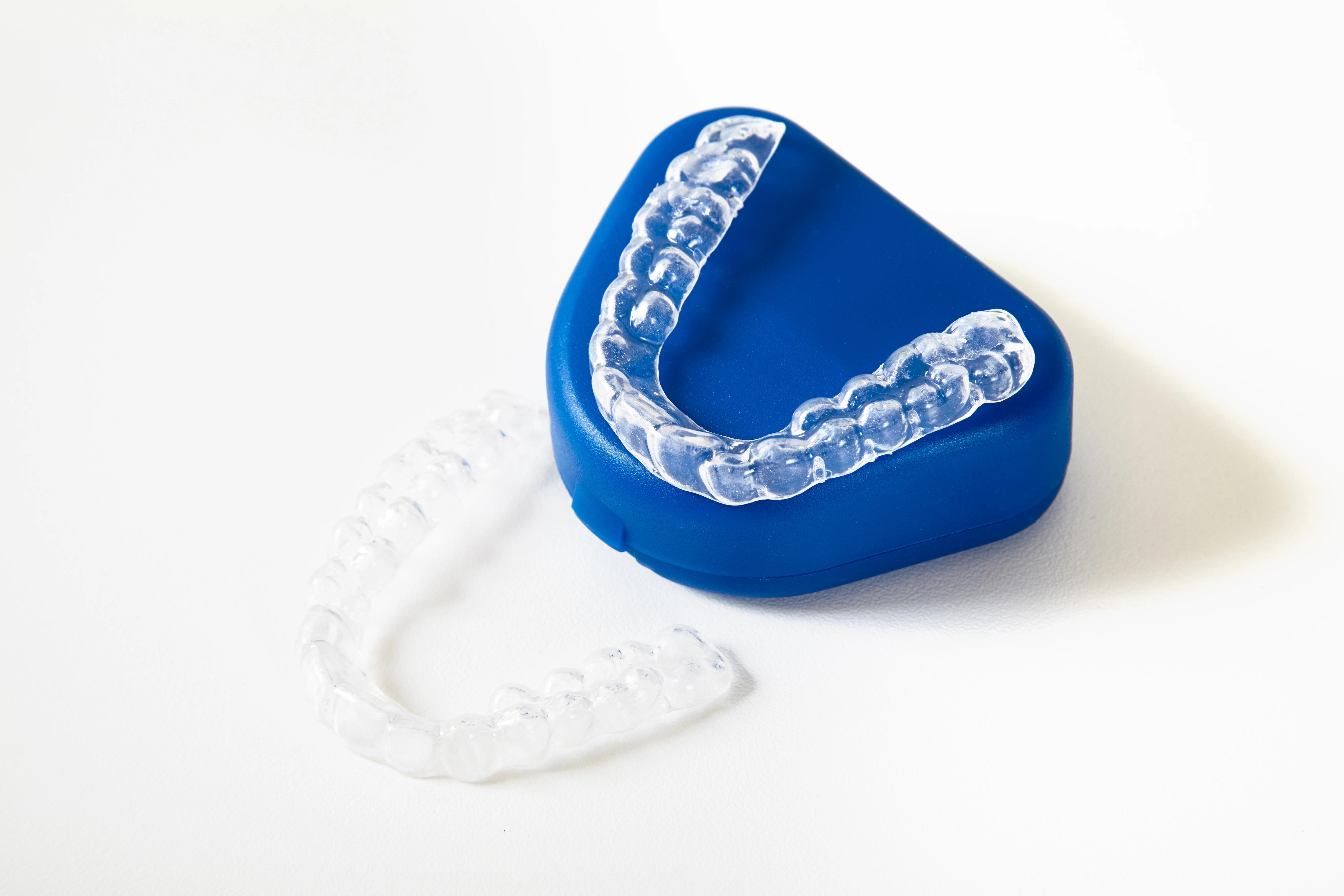
Proper storage prevents damage and contamination:
Store retainers in the official protective case whenever they’re out of your mouth. Vivera instructions explicitly recommend storing retainers in the case after rinsing. Keep the case clean: rinse it often and let it dry so you’re not placing a clean retainer back into a dirty container.
Avoid common “retainer tragedies”:
- Don’t wrap retainers in tissues or napkins (they’re easily thrown away).
- Keep them away from pets, which are frequently attracted to the smell of saliva on appliances. Both Vivera instructions and other retainer guidance warn to keep them out of pets’ reach.
- Don’t leave them in hot places (like car dashboards). Heat can warp thermoplastic retainers.
When to Replace Invisalign Retainers?
Replace your retainer if it:
- cracks, splits, or develops sharp edges
- becomes warped or no longer seats properly
- turns persistently cloudy or heavily scratched
- smells bad even after consistent deep cleaning
How long do clear plastic retainers last? Invisalign’s retainer education materials note that clear plastic retainers (including Vivera and Essix-style) may last around 6 to 12 months or longer with proper care, though individual results vary.
If your retainer doesn’t fit correctly, don’t “force it” and don’t keep wearing a distorted tray, contact your orthodontist. A poor fit can compromise retention and comfort, and it may be a sign you need a replacement or adjustment.
Common mistakes people make
Many retainer problems are caused by a few everyday habits. Avoiding these mistakes can keep your retainer clear, hygienic, and longer‑lasting.
Most common retainer mistakes
- Using toothpaste to clean retainers - Toothpaste is designed to scrub stains from enamel. On clear thermoplastics it can create tiny scratches that make retainers look cloudy and allow bacteria to cling more easily.
- Skipping daily cleaning - Even if retainers look clean, saliva proteins and plaque build up quickly. Without daily cleaning, this film can lead to odor and discoloration.
- Drinking coloured beverages while wearing retainers - Coffee, tea, wine, and sugary drinks can stain the plastic and increase cavity risk when trapped under the tray.
- Using hot water - Heat can warp thermoplastic materials and affect the fit of the retainer.
- Forgetting to clean the storage case - Placing a clean retainer into a dirty case reintroduces bacteria.
Fix just two habits, daily soap cleaning and avoiding hot water -and you will prevent most odor, staining, and cloudiness problems.
Frequently Asked Questions
Can I use toothpaste to clean Invisalign retainers?
It’s best not to. The AAO advises avoiding toothpaste because it can create tiny scratches that make retainers look cloudy and give bacteria more places to stick. Use mild clear soap instead.
How do I remove yellow stains from retainers?
Start with a deep clean: soak using Invisalign Cleaning Crystals (per instructions) or a retainer-safe cleansing tablet, then brush gently and rinse well. If staining stays, ask your orthodontist, persistent discoloration can signal surface wear.
Is it safe to soak retainers overnight?
If you’re using a product designed for aligners/retainers and following its directions, extended soaking is usually fine, but don’t default to overnight in random solutions. Avoid mouthwash, bleach, or unknown cleaners; rinse thoroughly before wearing.
Can I drink coffee while wearing Invisalign retainers?
It’s not recommended. Invisalign and Vivera instructions advise removing retainers for drinks other than water to reduce staining and cavity risk. Hot drinks also increase warping risk for thermoplastics.
What if my retainers smell bad?
Odor usually means biofilm is building up. Tighten your daily routine (rinse + soap brushing) and add a weekly deep clean. If odor persists, contact your orthodontist, micro-wear or damage can trap bacteria.
Let’s Talk About Your Smile - Free Consultation
Trusted by thousands of international patients in Albania

Author

Dr. Irma Marku
Dr. Irma Marku is an experienced General Dentist and founder of Dental Oasis. She has a strong background in the hospital and healthcare industry, with expertise in Endodontics, Dentistry, Patient Education, Medicine, and Oral Surgery. Dr. Marku is a dedicated professional with a solid academic foundation, holding a degree in Dentistry from the University of Medicine, Tirana.