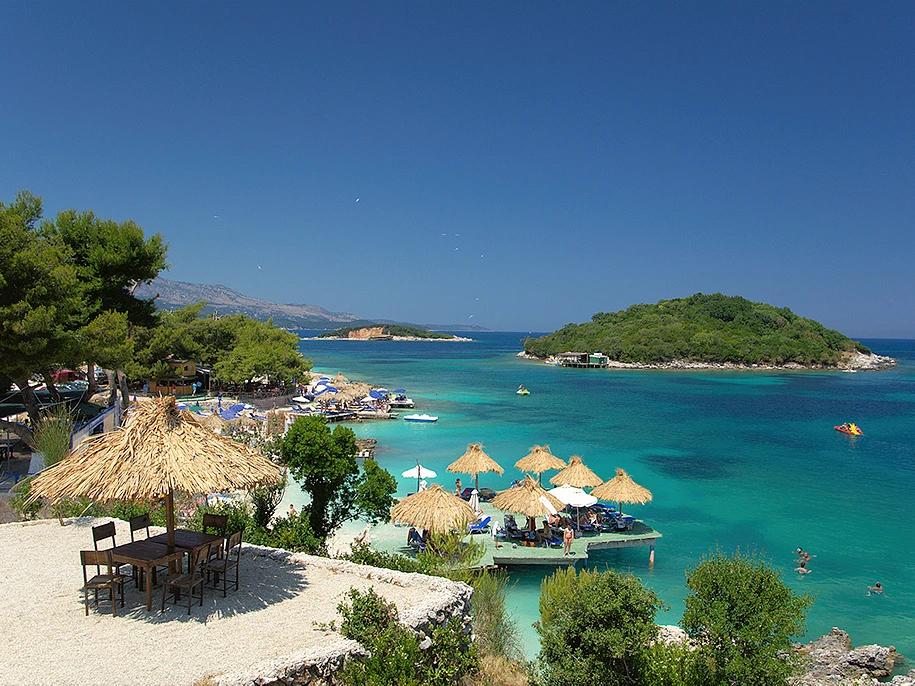
Best Countries for Dental Tourism in 2026: Cost, Quality, and Safety Compared
Dental tourism in 2026 is more than finding the lowest price, it's about choosing the right destination for your procedure, verifying clinic standards, and planning the full cost of care from treatment to follow-up. This guide compares the top destinations, breaks down real costs, and gives you a practical checklist to travel for dental treatment safely and confidently.

TL;DR
Dental tourism in 2026 is growing rapidly, driven by rising private dentistry costs, easier travel, and digital treatment planning before patients leave home.
Popular destinations include Albania, Mexico, Turkey, Hungary, and Thailand, offering lower prices and modern clinics.
Price alone shouldn’t guide the decision. Patients should evaluate:
- Total cost of ownership (treatment, travel, accommodation, follow-up)
- Clinic accreditation and governance
- Clinician qualifications and experience
- Material traceability (e.g., implant passports)
Most complications arise from weak governance, poor documentation, or unclear aftercare, making thorough research and a clear written treatment plan essential before committing to treatment abroad.
Why Dental Tourism Is Booming
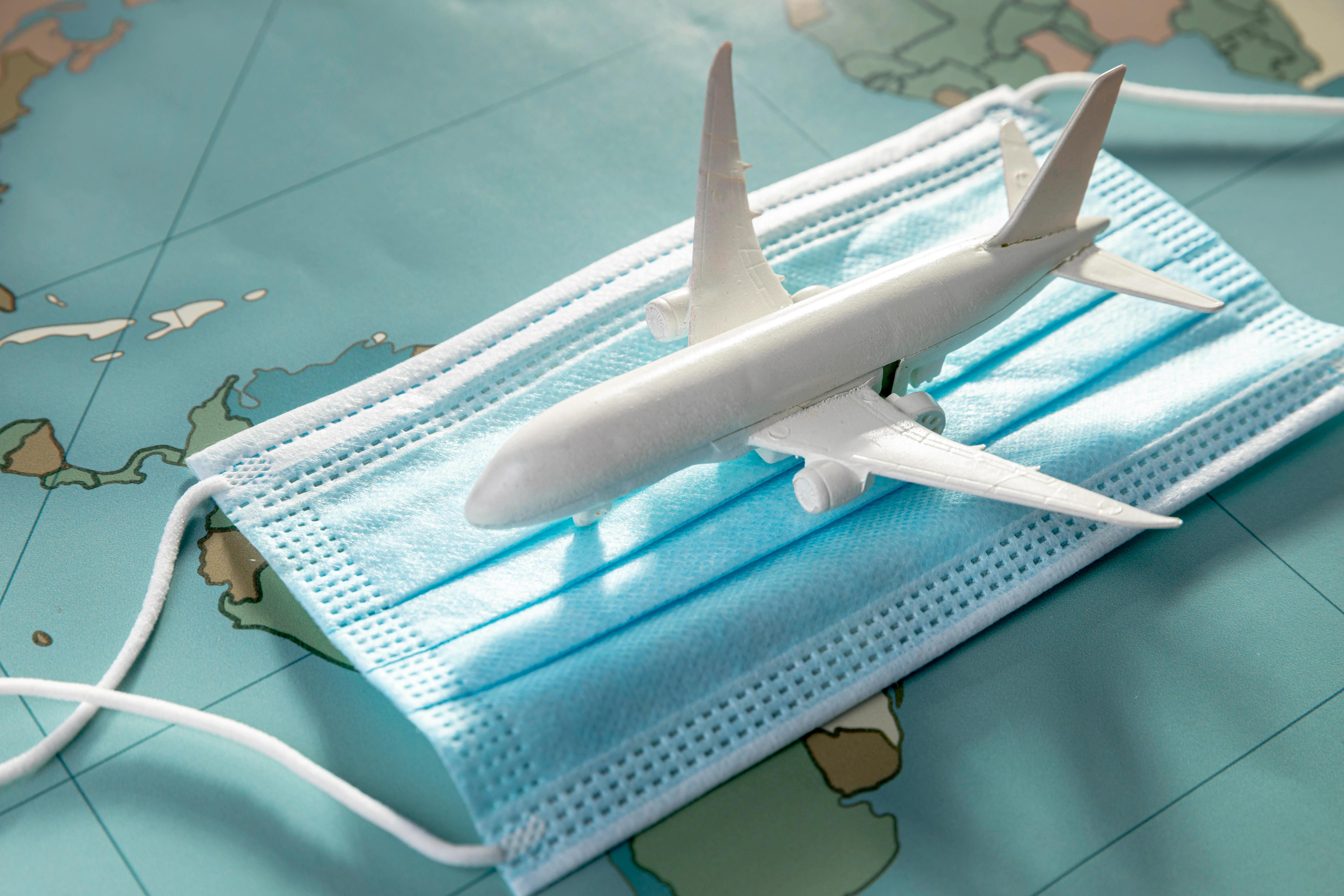
Dental tourism has evolved from simple “holiday + whitening” trips into a multi-billion-dollar global market that includes complex procedures such as implants, bone grafts, and full-mouth rehabilitation requiring advanced imaging and multi-visit care. While research firms use different methodologies and report varying figures, they consistently describe the sector as rapidly growing.
Several major industry analyses highlight strong long-term expansion. For example:
- Global Market Insights estimates the dental tourism market at USD 4.5 billion in 2025, projected to grow to USD 18.1 billion by 2035 (14.8% CAGR).
- Precedence Research, using a different modelling approach, estimates USD 16.30 billion in 2025, with projections reaching ~USD 97.93 billion by 2034 (22.05% CAGR).
- Grand View Research estimates USD 14.80 billion in 2025, with growth to ~USD 65.39 billion by 2033 (20.61% CAGR).
Although estimates vary, dental tourism is clearly growing, driven by rising private dentistry costs, easier cross-border travel, and global healthcare marketing. In the UK, affordability and access pressures are also pushing patients abroad, while online consultations and digital treatment planning make it easier to research clinics and organise care before travelling.
References
The Economics of Dental Tourism
Why patients travel abroad for dental treatment
The economic logic of dental tourism is simple: many dental procedures are expensive and often paid out-of-pocket, so patients may still save money even after travel costs. In the US, a single implant procedure is estimated at $3,100-$5,800, while the UK’s BDA notes that lower prices drive treatment abroad, though hidden follow-up costs can reduce savings.
- The insurance gap: Many insurance plans do not fully cover major restorative work such as implants and cosmetic reconstruction, pushing patients toward self-pay decisions.
- Typical savings and what they really mean: Commonly cited savings ranges (often 50-80%) are plausible for certain procedures but depend on clinical complexity, materials, bone grafting needs, and number of visits.
Most popular procedures for dental tourists
Patients who travel abroad for dental treatment are usually seeking high-value restorative or cosmetic procedures that are significantly more expensive in their home countries. The treatments most commonly associated with dental tourism include:
References
Global Dental Tourism Market Trends
Market growth and key statistics
The dental tourism market is growing rapidly, though estimates vary by publisher. Across multiple reports, the consistent picture is a multi-billion-dollar market in the mid-2020s with double-digit growth projected into the 2030s.
Market metrics snapshot for 2026 planning
| Metric | What leading reports indicate | Why it matters |
|---|---|---|
2025 global market size | USD 4.5B to ~USD 16.3B depending on methodology | Confirms a large and expanding industry |
Forecast size | Up to ~USD 97B by early 2030s depending on model | Indicates strong industry investment |
Implant segment share | ~38-39% of dental tourism treatments | Implants are a core driver of travel |
Provider mix | Dental clinics dominate delivery | Standalone clinics are typical settings |
Key trends shaping 2026 decisions
The clinic model is becoming more end-to-end, with many clinics bundling consultations, scans, treatment, and local transport. While this simplifies the patient journey, weak governance can increase sales pressure, and the ADA advises patients to consider continuity of care, post-treatment risks, and healing time before travelling.
Several broader trends are shaping the market:
- Regional concentration: Asia-Pacific is often described as the dominant market, with Precedence Research estimating a 47% share in 2024 and Mordor Intelligence reporting 35.05% of revenue in 2025, including major destinations like Thailand and Vietnam.
- Global competition: As more countries compete for dental tourists, clinics increasingly tailor services and packages to international patients.
- Digital front door: Online consultations and digital treatment planning allow patients to review treatment plans and verify materials and credentials before travelling.
References
Let’s Talk About Your Smile - Free Consultation
Trusted by thousands of international patients in Albania

Best Countries for Dental Tourism: 2026 Comparison
| Destination | Best for | Why patients pick it | Watch-outs |
|---|---|---|---|
Albania | European patients seeking affordable, high-quality care | Competitive pricing, modern clinics, short travel from Europe | As with any destination, verify clinic accreditation and request written treatment plans before booking |
Mexico | North American patients | Close travel distance and strong dental hubs | Clinic quality varies |
Turkey | Cosmetic dentistry | Aggressive pricing and marketing | Risk of overtreatment |
Hungary | Complex restorative surgery | EU location and strong dental education reputation | Requires follow-up travel |
Thailand | Premium dental tourism | Accredited hospitals and strong medical tourism infrastructure | Higher travel cost and long flights |
Best Countries for Dental Tourism: 2026 Comparison
Albania: Best Emerging Destination in Europe
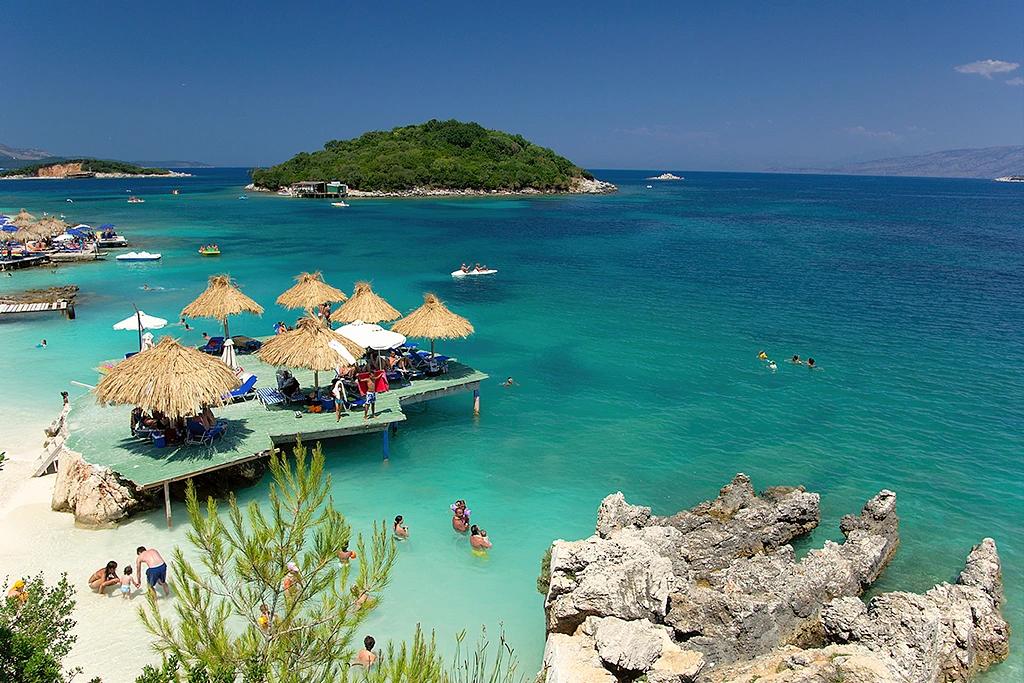
Albania is increasingly recognised as a growing dental tourism destination for European patients, offering modern clinics, internationally trained dentists, and significantly lower treatment costs compared with Western Europe.
One of Albania’s main advantages is accessibility. Major European cities are only a short flight away, making it easier for patients to travel for treatment and return if follow-up care is required. This proximity helps reduce one of the biggest logistical challenges in dental tourism: managing multi-stage procedures such as dental implants or full-mouth rehabilitation.
Another factor driving Albania’s rise is the development of modern private dental clinics equipped with advanced imaging, digital treatment planning, and international-standard sterilisation protocols. Combined with competitive pricing, this allows patients to access high-quality restorative and cosmetic dentistry at a fraction of the cost in countries like the UK, Germany, or Italy.
For many patients in 2026, Albania represents a balance of affordability, modern dentistry, and convenient travel within Europe.
Mexico: Best for North American Patients

Mexico remains one of the most established dental tourism destinations for patients from the United States and Canada. Its biggest advantage is geographic proximity, which makes it easier for patients to travel for treatment and return for follow-up visits if needed.
Several well-known dental tourism hubs exist in Mexico, particularly border towns such as Los Algodones, sometimes called “Molar City,” where hundreds of dental clinics serve international patients.
The country’s strong dental tourism ecosystem, including bilingual staff, organised transport, and condensed treatment schedules, makes it attractive for patients seeking implants, crowns, and full-arch restorations.
However, clinic quality can vary significantly, meaning patients should carefully verify credentials, materials, and sterilisation standards before committing to treatment.
Turkey: Best for Cosmetic Dentistry
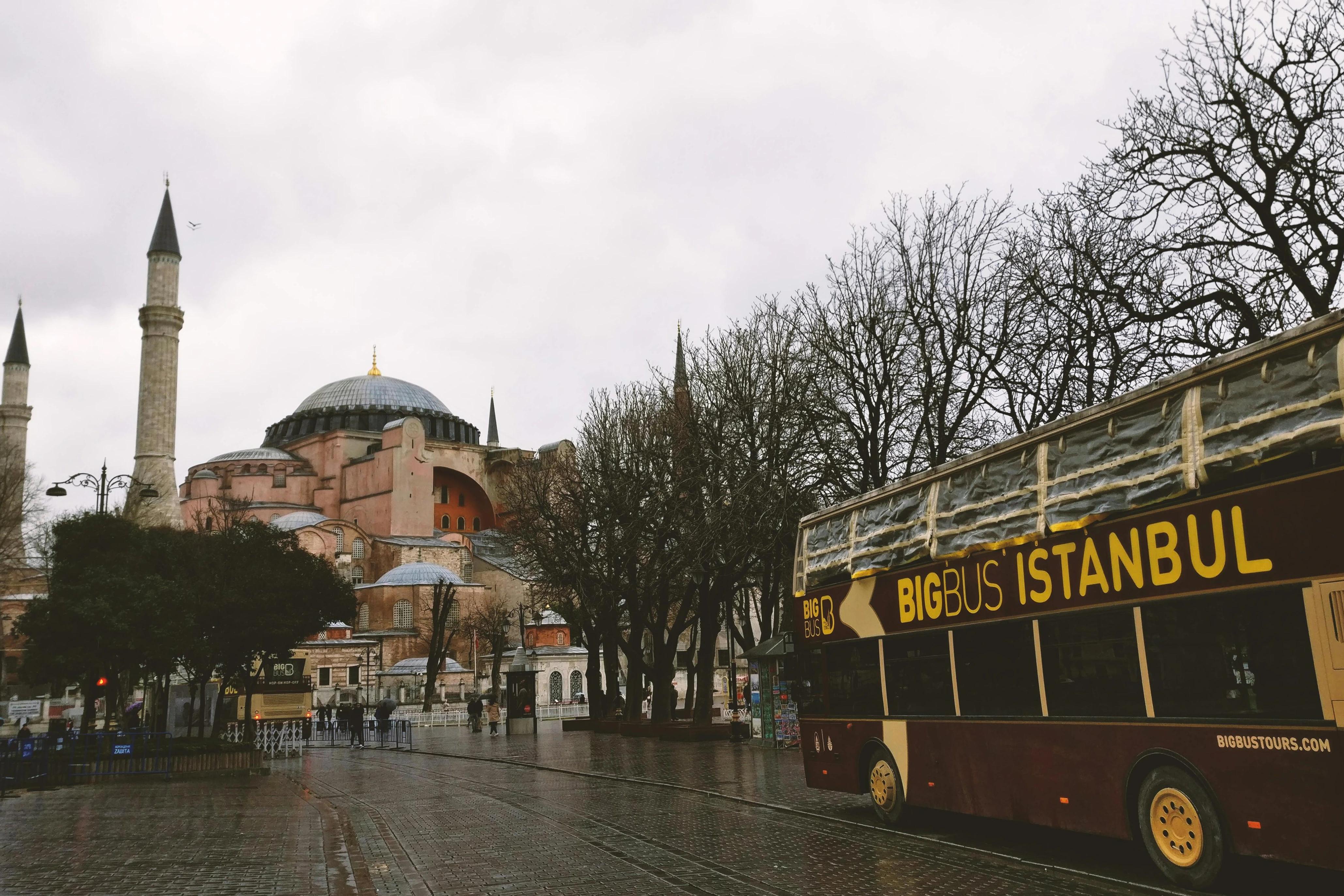
Turkey has become one of the most heavily marketed destinations for cosmetic dentistry, particularly veneers, crowns, and full “smile makeover” packages. Frequent flights from Europe and aggressive pricing strategies have made the country popular with UK and European patients.
Many clinics offer bundled treatment packages designed to complete cosmetic procedures within a short timeframe, which appeals to patients looking for rapid results.
However, Turkey has also been central to the “Turkey teeth” controversy, where some patients have undergone unnecessarily aggressive treatments such as full crown preparations instead of more conservative options. Because of this, careful clinic selection and treatment planning are essential.
Hungary: Best for Complex Dental Treatment in Europe

Hungary has a long-standing reputation in European dental tourism, particularly for implantology, prosthodontics, and full-mouth rehabilitation.
Many European patients feel reassured travelling to Hungary because it operates within the European healthcare environment while still offering significant savings compared with Western Europe.
Hungary is often chosen for more complex procedures requiring detailed planning and advanced diagnostics. However, patients still need to plan carefully for follow-up visits when undergoing multi-stage treatments such as dental implants.
Thailand: Best for Premium Dental Tourism
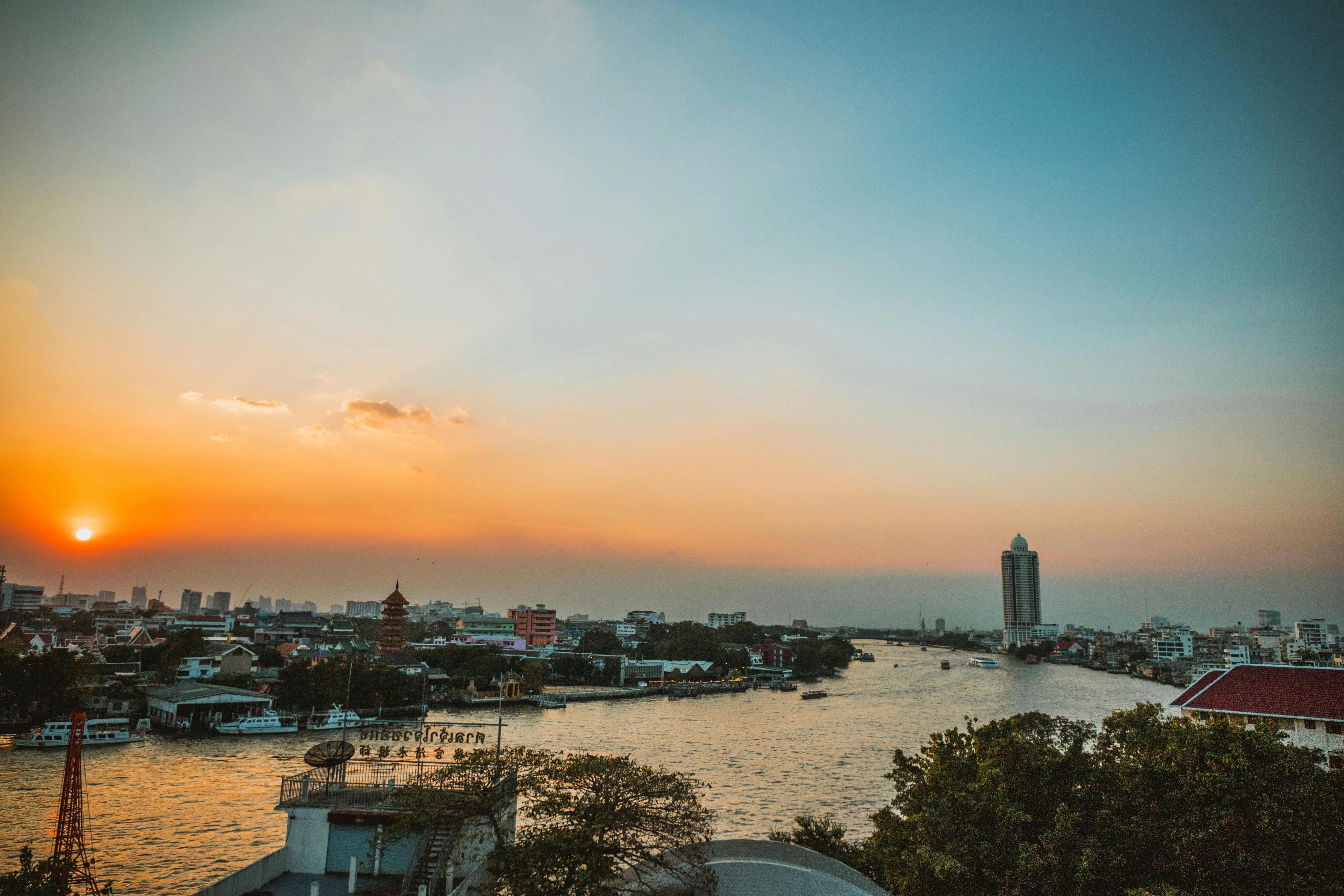
Thailand is widely considered one of the most developed destinations for premium dental tourism, combining modern healthcare facilities with strong hospitality infrastructure.
Large hospital-based dental centres often promote international accreditation and advanced clinical systems, which appeal to patients seeking high-end treatment experiences.
Thailand is particularly popular among patients combining dental treatment with longer travel or medical tourism trips. However, the long travel distance and higher travel costs mean it is usually more suitable for patients planning extensive procedures.
Why these destinations dominate dental tourism
Countries that succeed in dental tourism typically combine three factors:
- Significant treatment cost savings
- Modern private dental clinics
- Good international travel access
For European patients, the decision often comes down to travel distance, clinic reputation, and the ability to manage follow-up care after treatment.
Total Cost of Ownership: The Real Cost of Dental Tourism
The biggest mistake in dental tourism planning is comparing clinic quotes alone while ignoring the total cost of ownership (TCO), the full cost of treatment, healing, follow-up care, and potential repairs. This is important because procedures like implants and full-arch treatments are surgical and may require months of healing and additional appointments.
Cost components patients should add up: A practical TCO checklist should include treatment fees, diagnostics (e.g., CBCT scans), flights, accommodation, local transport, insurance, medication, time off work, and at least one follow-up care option (local or return visit).
Example calculation: single implant “looks cheap” vs “is cheap”
Below is a worked example to show how TCO thinking changes decisions. (Figures are illustrative ranges; your real plan should be based on written clinic quotes and your travel pattern.)
| Cost item | Example cost range | Notes |
|---|---|---|
Implant + abutment + crown | $1,200-$2,000 | US implant totals are often cited in the ~$3,100-$5,800 range; destination pricing varies by materials and surgical needs. |
Flights | $300-$900 | Depends on origin, season, and whether multiple trips are required. |
Accommodation | $400-$1,200 | Longer stays are needed for complications and multi-visit care. |
Local transport + incidentals | $100-$300 | Transfers, food, taxis, etc. |
Follow-up care | $0-$1,000+ | If you need a second trip or paid local aftercare, this can rise quickly. The ADA stresses continuity and follow-up. |
Estimated TCO | ~$2,000-$5,400 | A wide range, because healing time and returns drive cost. |
The “TCO trap” (why savings can flip)
The BDA reports that remedial work after treatment abroad can be costly: two‑thirds of dentists in its survey said repairs cost patients at least £500, over half reported costs above £1,000, and one in five reported costs exceeding £5,000.
Even if those are UK‑based repair costs, the principle applies globally: one complication can wipe out “headline savings.”
References
UK dentists picking up the pieces from dental tourism boom - BDA
Safety and Accreditation: How to Verify a Clinic

The price is easy to advertise. Safety is harder to prove, unless a clinic has credible external validation and transparent documentation.
Key certifications and signals to check
JCI accreditation (where relevant): JCI accreditation is an objective evaluation confirming that a healthcare organisation meets standards for safe, high-quality care after a successful on-site survey, and accredited providers can be verified through JCI’s public directory.
ISO quality management (especially ISO 9001): ISO 9001:2015 is an international quality management standard that indicates an organisation has structured processes to deliver consistent services, though in healthcare it signals process discipline rather than guaranteed clinical excellence.
Regulatory fit and complaint pathways: The UK’s General Dental Council advises patients to check whether their treatment destination has a professional regulatory body, mandatory registration for dentists, and clear standards and complaints processes.
A practical verification workflow patients can use
Before you pay a deposit, you should be able to answer:
- Who is doing the procedure, and what qualifications/specialist training do they have?
- What are their stated success rates and complication rates for your specific procedure?
- What is the aftercare plan, and who owns complications if you are back home?
- Is there an independent accreditation claim you can verify (not just a logo on a website)?
References
Turkey Teeth Controversy and Overtreatment Risks
The “Turkey teeth” phenomenon refers to cases where aggressive cosmetic treatments, often involving many crowns, are promoted quickly and heavily on social media, sometimes with limited emphasis on conservative dentistry. Reports note that planning can even occur through platforms like Instagram after sending photos of teeth, and while results may look good initially, the biological cost can be high if healthy tooth structure is unnecessarily removed.
The key issue: crowns vs veneers and irreversible tooth reduction
In the BBC segment transcript, the presenter explicitly warns that shaving down “60 to 70%” of your tooth for crown-based cosmetic treatment can increase later extraction risk.
That single concept captures the controversy: once tooth structure is removed, you cannot “undo” it.
What UK regulators and professional bodies emphasise
The BDA highlights that dental tourism can involve risks and hidden follow-up costs if complications occur, sometimes requiring expensive repairs or NHS involvement. The GDC advises patients to ask clinics about qualifications, success and complication rates, aftercare arrangements, and complaint procedures before treatment abroad.
How patients reduce overtreatment risk in practice
A practical way to reduce risk is to get an independent consultation and written treatment plan at home before committing, allowing you to compare the minimum necessary treatment with any cosmetic upsell, an approach that aligns with GDC advice to consult your own dentist before travelling.
References
The Material Passport: A Critical Safety Detail
If you receive implants, crowns, or full-arch bridges abroad, you should return home with traceability information, not just a new smile. In high-quality implant dentistry, patients are often given an implant passport or card detailing the components used, which helps with future maintenance, repairs, and compatibility checks.
What a “material passport” should include
At minimum:
- Implant system/brand + model
- Lot/batch/serial numbers (or UDI where applicable)
- Abutment details and restorative material (zirconia, titanium, etc.)
- Dates of placement and clinic contact details
This is not optional, EU MDR Article 18 requires implantable devices to include identification details such as the device name, model, serial/lot number, UDI, manufacturer information, and follow-up guidance.
Examples: what good documentation looks like
- Straumann provides an “Implant Passport” for patients to keep and bring to follow-up visits
- Zimmer Biomet issues a “Patient Implant Card” recording device details such as model, lot/serial number, and manufacturer information to ensure traceability if issues or recalls occur.
These are strong signals of mature safety culture: the clinic expects future maintenance and builds systems to support it.
Recommended implant manufacturers and why patients ask for them
Patients often prefer globally recognised implant systems because they can make future servicing easier. However, what matters most is authenticity, documented lot numbers, and compatible components, especially if follow-up care will happen at home.
References
Risks and Complications of Dental Tourism
Getting good dentistry abroad is possible. But the risk profile changes when you add: unfamiliar regulation, compressed timelines, and distance from your treating clinician during the complication window.
Clinical risks: what can go wrong
Dental implant therapy has high success rates, though failures still occur. One large registry study of 158,824 implants reported a 2.21% failure rate, while another study found 3.11% failure in a clinical cohort.
Some complications affect function rather than implant survival (e.g., prosthesis fractures, bite issues, hygiene challenges, peri-implant disease), especially when follow-up care is limited. For full-arch treatments, outcomes can be excellent, All-on-4 success rates reach 98.1% at five years and 94.8% at ten years when proper protocols and maintenance are followed.
Continuity, liability, and “who fixes it”
The Dental Defence Union (DDU) warns that patients may struggle to return to overseas clinics if complications arise, and local dentists may be unable or unwilling to manage remedial work. NHS policy in England therefore clarifies how patients with acute complications after treatment abroad may receive stabilisation and appropriate care.
The system impact: returning patients with complications
UK dentistry has highlighted the scale of complications from dental tourism. In a BDA survey of 1,000 UK dentists, 94% had seen patients treated abroad, 86% had managed complications, and repair costs were often £500-£1,000+, with some cases exceeding £5,000.
Summary: the risk model in one sentence
Dental tourism risk is less about “abroad = bad” and more about governance, documentation, and aftercare planning, the same procedures can be safe or become costly and problematic depending on these factors.
References
Dental Implant Survival Rates - MDPI
All-on-4 Implant Survival Rates (Up to 10-Year Follow-Up) - JADA
Real Patient Experiences: Success vs Failure
Patient stories are not clinical evidence, but they are extremely useful for understanding where planning succeeds (and where it breaks).
Success pattern: staged planning + clear logistics
In a Trustpilot review, a UK patient describes travelling to Albania for composite bonding after previously considering treatment in the UK. The patient notes that a dental tourism agency helped coordinate the process by recommending a clinic, arranging airport transport, and assisting with scheduling and communication before arrival, with the treatment completed in about two days after clinical evaluation.
Two key success factors from that experience match best-practice planning:
- clear treatment goals agreed before travelling (composite bonding rather than crowns), and
- organised logistical support and communication with the clinic before and during the trip.
Failure pattern: weak accountability + “sales middleman” dynamics
In a Costa RicaTravel thread, the original poster describes being diverted from a Mexico option to a Costa Rica clinic via an intermediary, experiencing poor support after problems began, and being asked to pay more for repeated temporary dentures after breakage.
A separate comment in the same thread describes a multi‑year series of prosthesis fractures and failures, financial loss, and later realisation that the treating clinician was a general dentist rather than a specialist, illustrating the real harm when governance, expectations, and documentation are not robust.
What these stories reinforce
Both cases echo regulator guidance:
- Ask who is performing the procedure and what qualifications they have.
- Plan for follow-up care and understand what happens if complications arise back home.
References
Dental Tourism Checklist
Use this checklist before you pay a deposit or book flights.
Pre‑booking due diligence
Confirm who is doing the work (name, registration/licence in that country, specialist training) and ask for an itemised written plan. The GDC provides a clear list of questions patients may want to ask, including qualifications, regulation, success/complication rates, warranties, aftercare, and complaints processes.
Clinical documentation and traceability
Request:
- pre‑treatment imaging plan (what scans are needed and why)
- itemised quote (materials, anaesthesia, lab work, temporary vs permanent restorations)
- a “material passport”/implant card with lot/serial/UDI details where applicable
Travel safety and staged planning
Use an official checklist for treatment abroad planning. The NHS “treatment abroad checklist” emphasises that all medical treatment involves risk and encourages patients to gather as much information as possible before deciding.
Aftercare and contingency plan
Before you go, decide:
- where urgent care happens if you have pain/infection/swelling while home
- whether you will return to the treating clinic if adjustments are needed
- what costs are covered vs not covered in writing (not just in marketing messages)
References
Going abroad for dental treatment - GDC
How to Choose the Best Country for Your Dental Treatment
A practical 2026 decision framework is to choose the country that minimises avoidable risk for your specific case, not the country with the lowest advertised package.
Match the destination to the procedure
If you need a single crown or cosmetic veneer set, travel may be simpler than staged implant surgery. But for implants and full‑arch reconstruction, you should assume months of healing and the need for follow-up pathways, as the ADA emphasises.
Prefer verifiable systems over vague promises
Strong choices typically include:
- independently verifiable accreditation where relevant (e.g., JCI for hospitals/large centres)
- clear regulation and complaint pathways (as the GDC highlights)
- traceability documentation (implant passports/cards and manufacturer identifiers)
Choose based on Total Cost of Ownership
If two trips are required, proximity often wins. This is why Mexico can be structurally advantageous for North American patients, and why intra‑Europe options may be favoured by European patients even if the sticker price is slightly higher.
References
Dentistry Abroad - MouthHealthy
Final Thoughts
In 2026, dental tourism is best understood as a healthcare purchase with travel logistics, not a holiday add‑on. The market is expanding quickly, with multiple research firms projecting strong growth through the 2030s.
Albania, Mexico, Turkey, Hungary and Thailand can all be “best” choices, depending on your procedure, your distance from the destination, and your ability to verify clinic quality, accreditation signals, and material traceability.
The highest-probability route to a good outcome is consistent across regulators and professional bodies: ask hard questions early, insist on documentation, plan follow-up, and calculate total cost of ownership rather than chasing the lowest headline quote.
Let’s Talk About Your Smile - Free Consultation
Trusted by thousands of international patients in Albania
Frequently Asked Questions
Is dental tourism safe?
It can be safe, but outcomes depend on clinic governance, infection control, clinician training, and follow-up planning. The ADA notes many procedures require months of healing, and the GDC advises researching local regulation and complaint pathways before travelling.
What country is cheapest for dental implants?
"Cheapest" is unreliable because costs depend on case complexity, materials, and follow-up needs. A better approach is choosing a destination with verifiable standards and the lowest total cost of ownership, not just the lowest quote.
Can I fly after dental surgery?
It depends on the procedure and your health. The ADA notes dental surgery can involve bleeding, pain, swelling, or infection, so travel plans should allow adequate recovery time and follow-up care.
Will my insurance cover treatment abroad?
Coverage varies widely. Patients should confirm with their insurer whether treatment abroad, and any follow-up care at home, is covered.
What should I ask a dental clinic before booking?
Key questions include who performs the treatment, their qualifications, success and complication rates, aftercare plans, guarantees, and complaint processes. Also request a material passport or implant card for traceability.
References:
- Dental Tourism Market Size & Share 2026-2035
- Dentistry Abroad - MouthHealthy
- UK dentists picking up the pieces from dental tourism boom - BDA
- Dental Implant Survival Rates - MDPI
- Self-Funded Dental Treatment Policy - NHS England
- Dental Tourism Albania Reviews - Trustpilot
- Dental Implants Nightmare in Costa Rica - Reddit
- MDR Article 18 - Implant Card
- Implant Passport - Straumann
Author

Marcela Shehu
Marcela Shehu is the Co-Founder of Dental Tourism Albania and a UK-based patient coordinator specialising in cross-border dental care. She lives in London and splits her time between London and Tirana, giving her first-hand insight into both UK patient expectations and the standards of leading dental clinics in Albania.
Marcela works closely with carefully vetted clinics in Tirana, supporting patients with treatment planning, travel coordination, and aftercare guidance. Through the blog, she shares practical insights on dental procedures, cost comparisons, and how to safely plan dental treatment in Albania with confidence.