The Evolution of Tourism in Albania (2014-2025)
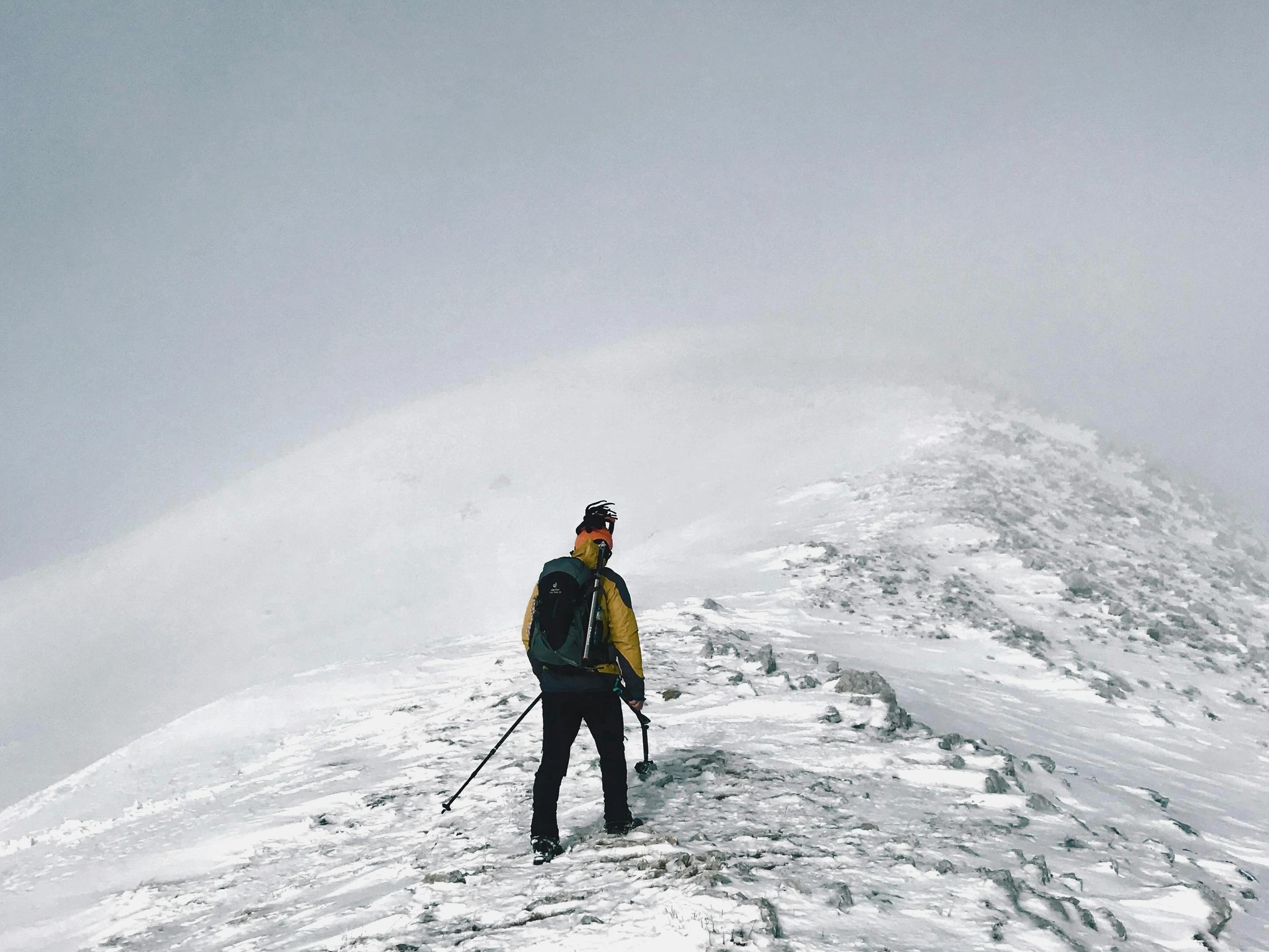
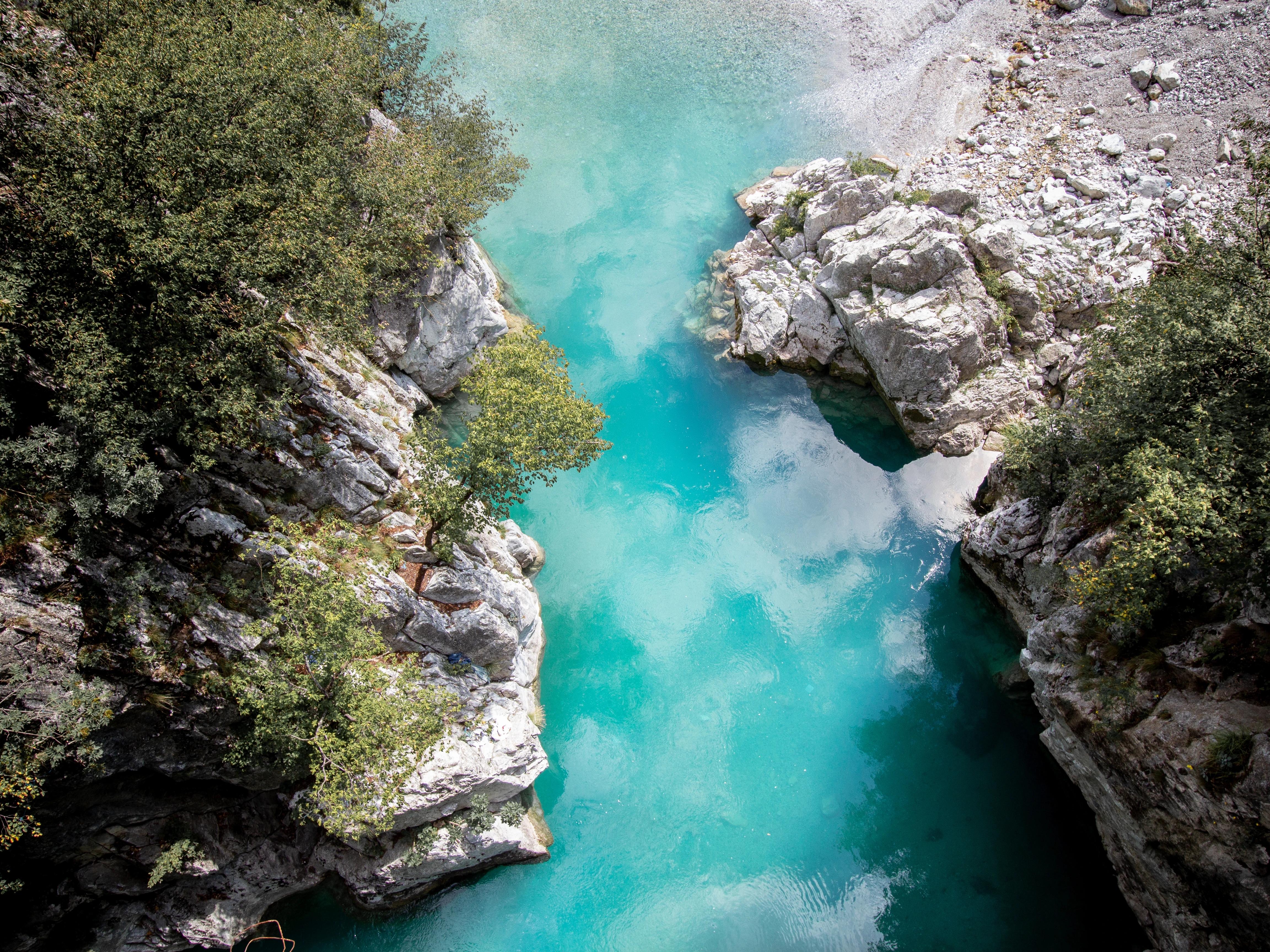
Over the past decade, Albania has gone from one of Europe’s most isolated countries to one of its fastest-rising travel destinations. After decades of limited international exposure during the communist period, the country is now drawing global attention for its Adriatic and Ionian coastline, dramatic mountain landscapes, and rich cultural heritage.

Albania’s Tourism Transformation
Over the past decade, Albania has gone from one of Europe’s most isolated countries to one of its fastest-rising travel destinations. After decades of limited international exposure during the communist period, the country is now drawing global attention for its Adriatic and Ionian coastline, dramatic mountain landscapes, and rich cultural heritage.
Much of this change has happened surprisingly quickly. In 2014 Albania welcomed about 3.6 million foreign visitors. By 2025 that number is expected to exceed 12 million, showing just how rapidly the country has entered the European tourism spotlight.

The growth becomes clear when you look at the numbers over time.
But the tourism boom isn’t just about visitor numbers. As travel to Albania increased, tourism also became a much bigger part of the national economy, supporting jobs, businesses, and investment across the country.
The chart below shows how tourism’s contribution to Albania’s GDP has grown alongside visitor arrivals.

Taken together, these trends show how Albania has evolved from a relatively unknown destination into one of the most dynamic tourism markets in the Mediterranean.
References
Arrivals of foreigners in Albania by purpose of travel - INSTAT
Tourism revenue: Albania - Statbase
Albania in Europe: Geography and Strategic Position
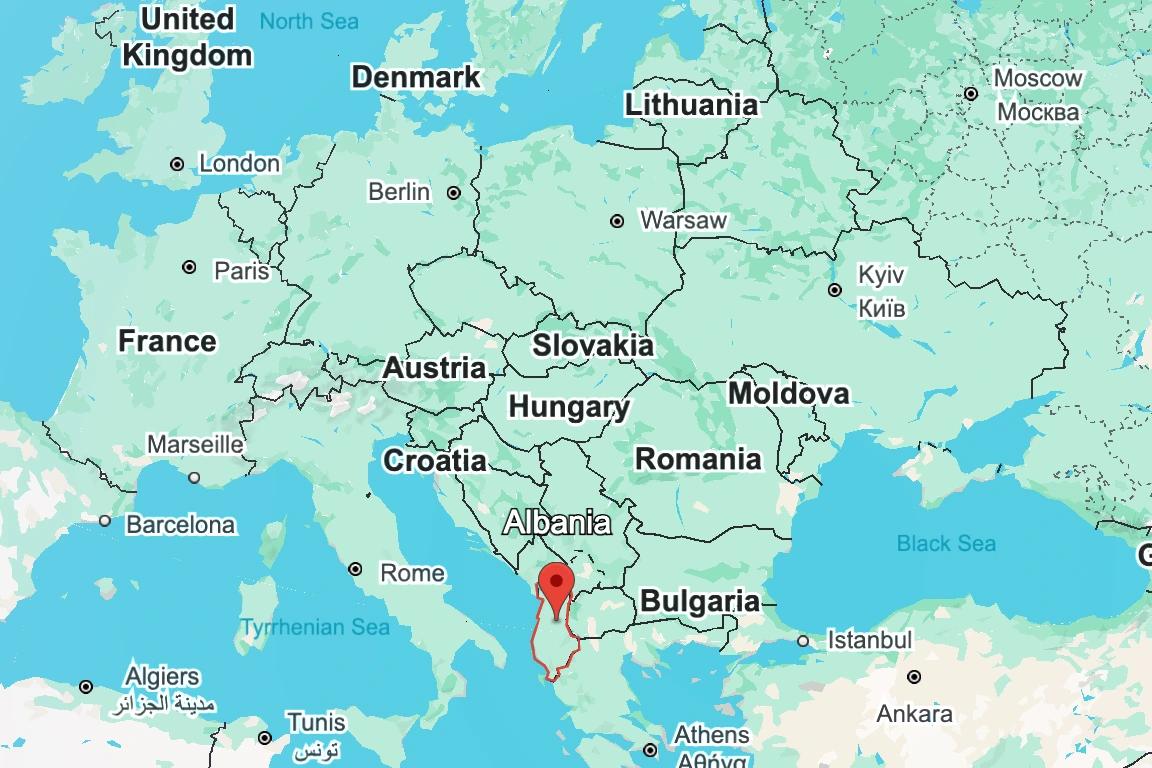
One of the key reasons Albania is quickly becoming a tourism hub is its strategic location in Southeastern Europe. Positioned in the Balkan Peninsula, the country sits along the Adriatic and Ionian seas and borders Greece, Montenegro, North Macedonia, and Kosovo, placing it at the crossroads of several regional travel routes.
Albania is also remarkably close to Western Europe. Italy is located just across the Adriatic Sea, with ferry routes connecting the two countries in only a few hours. Combined with growing direct flights from major European cities to Tirana, this proximity makes Albania easily accessible for travelers and international patients looking for affordable treatments abroad.
Interesting Facts
- Albania’s coastline stretches over 450 km along the Adriatic and Ionian Seas.
- Most of the country is mountainous, with about two-thirds of its territory covered by hills and mountains, including the dramatic Albanian Alps in the north.
Despite being a relatively small country (around 28,700 km²), this geography creates remarkable diversity in travel experiences. Visitors can relax on the beaches of the Albanian Riviera, explore historic cities such as Berat and Gjirokastër, hike in the Albanian Alps, or enjoy the vibrant urban atmosphere of Tirana, the country’s capital.
This combination of mountains and coastline creates a wide variety of travel experiences. Visitors can relax on the beaches of the Albanian Riviera, explore historic cities like Berat and Gjirokastër, hike in the Albanian Alps, or experience the vibrant urban atmosphere of Tirana, the country’s capital.

The country’s Mediterranean climate, with hot summers and mild winters along the coast, further strengthens its appeal as a year-round destination. Together, Albania’s location, landscapes, and accessibility help explain why it is increasingly attracting international visitors, and why it is emerging as a convenient destination for travelers seeking both tourism and medical services.
Historical Context: From Isolation to Openness
To understand why Albania’s tourism boom is relatively recent, it helps to look at the country’s history. While Albania has deep historical roots stretching back thousands of years, tourism development started much later than in neighboring Mediterranean destinations.
Albania’s historical path includes several major periods that shaped its economic and social development:
- Ancient origins: The region was first inhabited by Illyrian tribes, later becoming part of the Roman and Byzantine empires, leaving behind archaeological sites that are now important cultural attractions.
- Ottoman rule: Albania remained under the Ottoman Empire for nearly five centuries, which influenced the country’s culture, architecture, and cities.
- Independence: Albania declared independence in 1912, but the early decades of statehood were marked by political instability and economic challenges.
The biggest factor delaying tourism development was the period of communist rule from 1945 to 1990. During this time Albania became one of the most isolated countries in Europe, with strict travel restrictions and almost no tourism infrastructure. By the late 1980s, only a few thousand foreign visitors entered the country each year.

Everything began to change after 1991, when Albania transitioned toward a market economy and open borders. Tourism began developing slowly during the following decades:
- 1990s transition: Economic reforms allowed private businesses and the first small guesthouses and hotels to appear.
- 2000s improvements: Infrastructure projects, new roads, and modest tourism investments gradually improved accessibility.
- European integration: Albania’s EU candidate status in 2014 increased international visibility and encouraged new investment in tourism and infrastructure.

These changes laid the groundwork for the rapid tourism expansion seen over the past decade, helping transform Albania from a largely unknown destination into an emerging tourism market in Europe.
Economic Transformation: Tourism as a Growth Engine
Over the past decade tourism has become one of the key drivers of Albania’s economic development. As international visitor numbers increased, the country’s economy gradually shifted from traditional sectors such as agriculture toward services, hospitality, and tourism-related industries.
This structural shift is reflected in Albania’s overall economic performance. Over the last ten years the country has experienced steady GDP growth, supported by expanding tourism activity, infrastructure investment, and rising international demand for Mediterranean destinations.
Economic expansion has also translated into higher income levels for the population. As tourism and other service industries expanded, GDP per capita increased significantly, reflecting improvements in productivity and living standards.

Tourism has played a major role in this economic transformation. While agriculture once dominated Albania’s economy during the socialist period, today the service sector, particularly tourism, represents one of the largest contributors to national output.
When indirect effects such as hospitality, transportation, retail, and construction are included, tourism contributes more than 20% of Albania’s GDP.
Several factors have helped accelerate tourism’s economic impact:
- Rising international arrivals, increasing visitor spending across the country
- Foreign direct investment (FDI) in hotels, resorts, and tourism infrastructure
- Major infrastructure projects, including airports, highways, and coastal tourism developments
- Expansion of service industries, such as hospitality, transportation, and tourism services
Together, these developments show how tourism has evolved from a relatively small sector into a central pillar of Albania’s modern economy, helping drive economic growth, employment, and international investment.
The Tourism Boom: Visitor Growth (2014-2025)
The most visible sign of Albania’s tourism transformation is the rapid increase in international visitor numbers over the past decade. Between 2014 and 2025 the country experienced one of the fastest tourism growth rates in Europe, with foreign arrivals more than tripling.
In 2014 Albania welcomed about 3.67 million visitors. By 2025 the number is expected to reach around 12.47 million, highlighting how quickly the country has entered the global tourism spotlight.
Tourism growth during this period can be divided into four major phases.
1. Pre-pandemic expansion (2014-2019)
Before the COVID-19 pandemic, Albania was already experiencing steady tourism growth, averaging roughly 12% annual increases in visitor numbers.
- 2014: 3.67 million visitors
- 2016: 4.74 million visitors
- 2018: 5.93 million visitors
- 2019: 6.41 million visitors
This growth was driven by improved infrastructure, rising regional tourism, and growing international awareness of Albania’s coastline and cultural attractions.
2. Pandemic disruption (2020)
Like most tourism destinations worldwide, Albania experienced a sharp decline during the COVID-19 pandemic.
- 2020 arrivals fell to 2.66 million visitors
- This represented a 58% drop compared to 2019
3. Rapid recovery (2021-2022)
Once travel restrictions were lifted, Albania experienced one of the fastest tourism recoveries in Europe.
- 2021: 5.69 million visitors (+110%)
- 2022: 7.54 million visitors (+32.5%)
Much of this growth came from regional tourism, diaspora travel, and the reopening of international flights.
4. Viral tourism surge (2023-2025)
The period after 2022 marked the largest tourism boom in Albania’s history. The country gained massive international exposure through social media, travel blogs, and global travel rankings, which helped attract a new wave of visitors from Western Europe.
- 2023: 10.15 million visitors (+34.6%)
- 2024: 11.7 million visitors (+15.2%)
- 2025 (estimated): 12.47 million visitors (+6.6%)

For the first time, Albania surpassed the 10-million-visitor milestone in 2023-2024, confirming its transition from an emerging destination to a major tourism market in the Mediterranean region.
Who Is Visiting Albania?
Although Albania is gaining global attention as a travel destination, most visitors still come from nearby countries in Southern Europe and the Balkans. Geographic proximity, cultural ties, and diaspora connections make it easy for travelers from neighboring countries to visit frequently.
Today, Southern Europe accounts for roughly 71.5% of Albania’s international tourists, highlighting how strongly the country’s tourism market is connected to the surrounding region.
Main Countries Visiting Albania
Several countries consistently rank among the largest sources of visitors:
- Kosovo - around 46% of foreign visitors in 2021
- North Macedonia - about 9.8%
- Italy - roughly 6.2%
- Montenegro - around 5.6%
- Greece - about 4.9%
These flows are partly driven by diaspora tourism, as many Albanians living abroad return to visit family during the summer months.
The Role of the Albanian Diaspora
The Albanian diaspora plays a major role in the country’s tourism sector. Large Albanian communities live in countries such as Italy, Greece, Germany, Switzerland, and the United Kingdom, and many return each year during the summer season.
These visits contribute significantly to tourism activity, particularly along the Albanian Riviera and in major cities such as Tirana and Durrës.
Growing Interest from Western Europe
In recent years Albania has started attracting more travelers from Western Europe, especially younger tourists looking for affordable Mediterranean destinations.
Several Western European markets have shown strong growth in recent years, particularly Spain, the Netherlands, and Belgium, as Albania becomes more visible through travel media, social networks, and online travel platforms.
Emerging Long-Haul Visitors
Although still a relatively small share of total arrivals, Albania is also beginning to attract visitors from North America and other long-haul markets. Increased international exposure, improved air connections, and positive coverage in travel publications have helped introduce the country to a broader global audience.
Overall, Albania’s tourism market remains regionally dominated, but it is gradually becoming more international as awareness of the destination continues to grow.
References
The movements of foreign citizens according to the purpose travel - INSTAT
Albania Tourism Statistics - Worldmetrics
The Aviation Revolution
One of the biggest factors behind Albania’s tourism boom has been the rapid expansion of air travel. Over the past decade, improved connectivity and the arrival of low-cost airlines have made the country far easier to reach for international visitors.
At the center of this transformation is Tirana International Airport (TIA), also known as Mother Teresa Airport. Passenger traffic has grown dramatically as Albania’s tourism industry expanded.
The chart below highlights key milestones in passenger growth at Tirana International Airport over the past decade.

In 2024 the airport surpassed 10 million passengers for the first time, marking a major milestone for Albania’s aviation sector.
The Role of Low-Cost Airlines
A key driver of this growth has been the entry of low-cost carriers, which dramatically expanded Albania’s flight network. Airlines such as:
- Wizz Air
- Ryanair
- EasyJet
- Lufthansa
- ITA Airways
now connect Tirana to dozens of destinations across Europe and the Middle East.
These airlines helped make Albania accessible to travelers from markets that previously had limited connections, including:
- the United Kingdom
- Germany
- Scandinavia
- parts of the Middle East
Why Aviation Matters for Tourism
Improved air connectivity has fundamentally changed Albania’s tourism industry. Over the past decade:
- the number of air routes increased significantly
- international tourists can now reach Albania directly from dozens of European cities
- air arrivals now represent roughly 20% of total tourist arrivals
This aviation expansion has played a crucial role in transforming Albania from a relatively isolated destination into an increasingly connected Mediterranean tourism hub.
References
Infrastructure Investments Driving Tourism
Tourism growth in Albania has not only been driven by rising visitor demand and improved air travel. Over the past decade, major infrastructure investments have significantly improved accessibility across the country, making it easier for tourists to reach coastal destinations, historic cities, and mountain regions.
Many of these projects focus on transportation infrastructure, particularly highways, tunnels, and ports that connect Albania with the wider European tourism network.
Key Infrastructure Projects Supporting Tourism
Several large national projects have played a central role in improving tourist mobility and reducing travel times across the country.
Llogara Tunnel
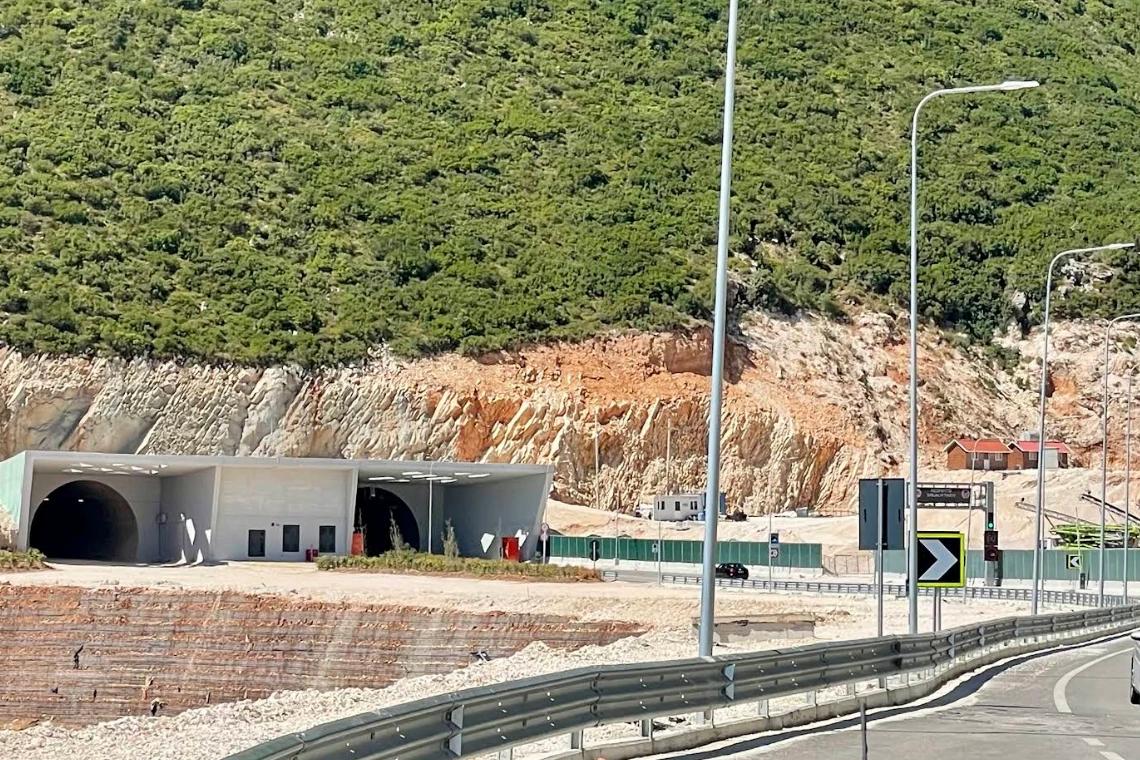
One of the most important recent developments is the Llogara Tunnel, which connects the Albanian Riviera with the rest of the country.
Previously, visitors had to drive along the steep Llogara mountain pass to reach the southern coast. The new tunnel dramatically improves access to the Riviera.
- Travel time to the Riviera has been reduced from around 30 minutes to just 7 minutes.
- It provides easier access to destinations such as Dhërmi, Himarë, and Palasë.
- The project is expected to increase tourist flows to Albania’s southern coastal region.
The Blue Corridor Highway
Another major project is the Adriatic–Ionian “Blue Corridor” highway, a large regional transport corridor linking several Balkan countries along the Adriatic and Ionian coasts.
- The highway will connect Montenegro, Albania, and Greece.
- It will significantly improve road travel for tourists arriving by car or regional bus routes.
- The corridor strengthens Albania’s position within the Mediterranean tourism network.
Coastal Highway Improvements
Road infrastructure improvements have also made travel between Albania’s main tourism destinations much easier.
Recent projects include:
- Upgraded Adriatic-Ionian coastal roads
- Improved connections between Tirana, Durrës, Vlorë, and Sarandë
- Faster road access from Tirana International Airport to coastal destinations
These improvements make it easier for visitors to explore multiple destinations during the same trip.
Ports and Maritime Tourism
Infrastructure investments have also expanded Albania’s maritime tourism capacity.
- The Port of Durrës, Albania’s main ferry and cruise hub, handled about 827,000 passengers in 2023.
- Passenger traffic was 33% higher than in 2019, reflecting the growth of ferry travel across the Adriatic.
- New marina developments in Vlora and Saranda aim to support yacht tourism and small cruise vessels.
Other Tourism-Supporting Infrastructure
Additional projects have helped expand tourism accessibility across the country:
- Improved border crossings for regional road travelers
- Upgraded roads connecting national parks and mountain villages
- Investments in coastal infrastructure and beach management
Together, these developments have significantly improved connectivity, accessibility, and tourist mobility, helping transform Albania into a more accessible and competitive tourism destination.
References
Llogara Tunnel Opens, Cutting Travel Time to Southern Albania
Durrës Port Authority - Official Website
Accommodation and Hospitality Expansion
As tourism in Albania expanded, the country’s accommodation sector evolved rapidly to meet growing demand. Over the past decade, lodging options have expanded from small guesthouses and informal rentals to a more diverse hospitality ecosystem that now includes international hotel brands, boutique resorts, and short-term rental platforms.
Today, Albania’s accommodation capacity is estimated at around 60,000 rooms and approximately 150,000 beds, including hotels, motels, guesthouses, and rural tourism lodgings.
The chart below illustrates how accommodation capacity has grown alongside the tourism boom.

From Informal Rentals to International Hotels
For many years Albania’s tourism sector relied heavily on small family-run guesthouses and informal rentals, especially along the coast. As visitor numbers increased, however, the hospitality market began attracting larger investments and international hotel chains.
In recent years several global brands have entered the Albanian market, introducing international service standards and expanding high-end accommodation options.
Examples include:
- Marriott Hotels
- Hilton Garden Inn
- Meliá Hotels & Resorts
- Radisson Collection
- Hyatt Regency (planned openings)
Many of these hotels are located in Tirana and emerging coastal resort areas, reflecting the growing demand for higher-quality accommodation among international travelers.
The Rise of Short-Term Rentals
At the same time, platforms such as Airbnb and Booking.com rentals have expanded rapidly across Albania. These short-term rentals provide additional accommodation capacity, particularly in popular destinations along the Albanian Riviera.
Short-term rentals are especially common in:
- Sarandë and Ksamil
- Dhërmi and Himarë
- Tirana city center
While these properties increase tourism capacity, they also mean that a significant share of tourist stays may not appear in official hotel statistics.
Diversification of Accommodation Types
Albania’s hospitality sector now includes a wide range of lodging options:
- Mid-range hotels (2-4 star) dominating the urban market
- Luxury and boutique hotels emerging in Tirana and coastal resorts
- Guesthouses and mountain lodges in destinations such as Valbona and Theth
- Agritourism farms and rural lodgings in countryside regions
Accommodation Type Breakdown
| Accommodation Type | Estimated Share |
|---|---|
Hotels | ~40% |
Guesthouses / B&Bs | ~35% |
Apartments / Short-term rentals | ~20% |
Camping / other lodging | ~5% |
Despite the rapid expansion of accommodation capacity, the sector still faces strong seasonal fluctuations.
- During peak summer months, hotel occupancy rates reach around 50-60%.
- Outside the summer season, occupancy drops significantly in many destinations.
To encourage the formalization of tourism businesses, the Albanian government has introduced policies such as a reduced 6% VAT rate for certified hotels and guesthouses, aiming to improve standards and bring more properties into the official tourism economy.
Together, these developments show how Albania’s accommodation sector has evolved from a largely informal market into a growing hospitality industry capable of supporting the country’s tourism boom.
References
Tourism in Figures 2022 - Albania (INSTAT Report)
Albania Tourism Statistics - Market Data & Key Insights (2026 Report)
Tourism Destinations Driving Growth
While Albania’s tourism sector has expanded nationally, several destinations have played a particularly important role in driving visitor growth. These locations attract different types of travelers, from beach tourists and cultural visitors to nature and adventure enthusiasts.
The Albanian Riviera
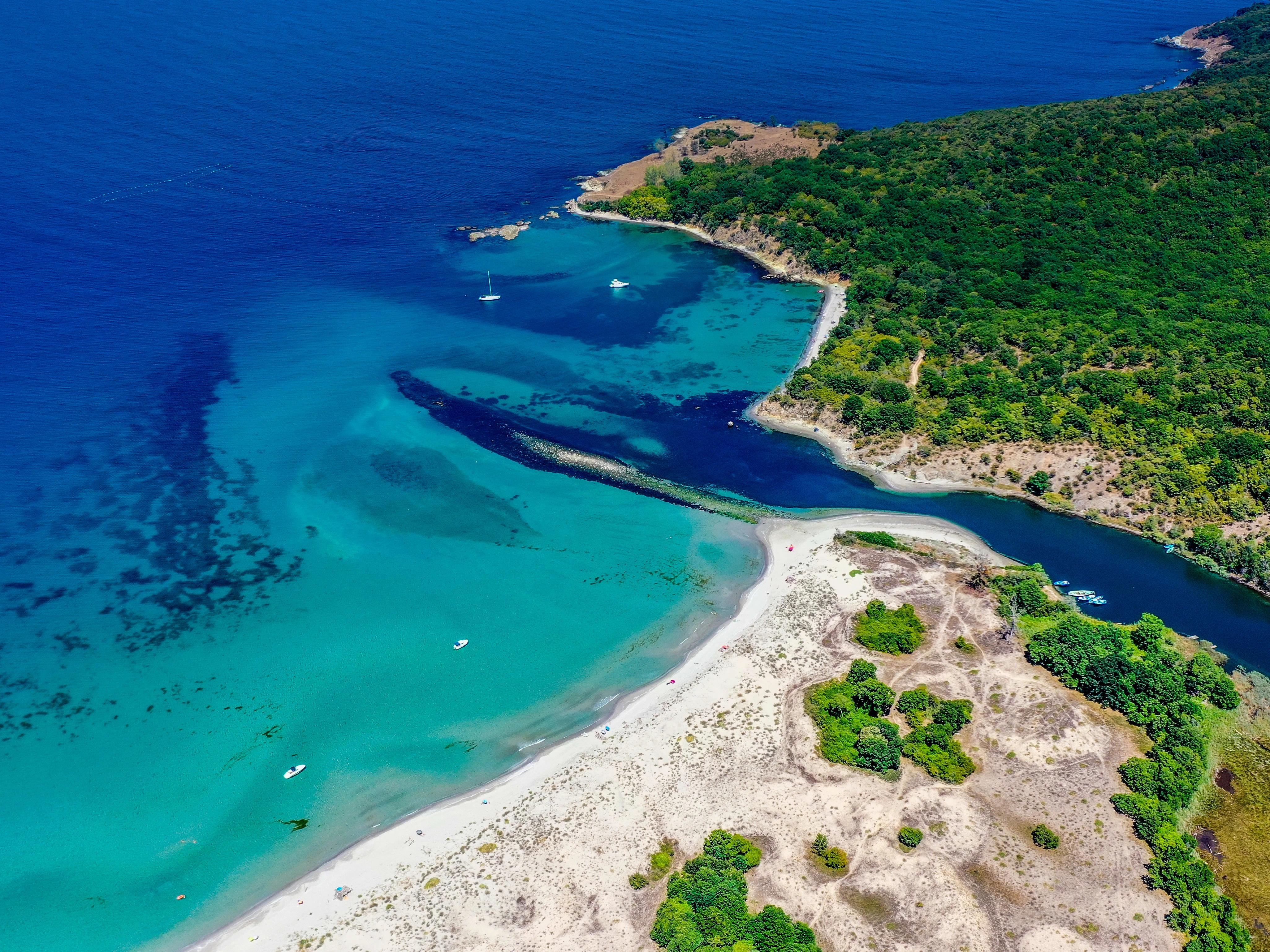
The Albanian Riviera has become the country’s most recognizable tourism hotspot. Stretching along the Ionian coast, the region is known for its clear waters, dramatic cliffs, and vibrant summer nightlife.
Popular destinations include:
- Sarandë - one of Albania’s main coastal tourism hubs and a gateway to southern beaches
- Ksamil - famous for its turquoise waters and small offshore islands
- Himara - a quieter coastal town popular with international travelers
- Dhërmi - known for beach clubs and summer festivals
In recent years, these destinations have seen some of the highest tourist flows in the country, especially during the summer season.
Cultural Heritage Destinations
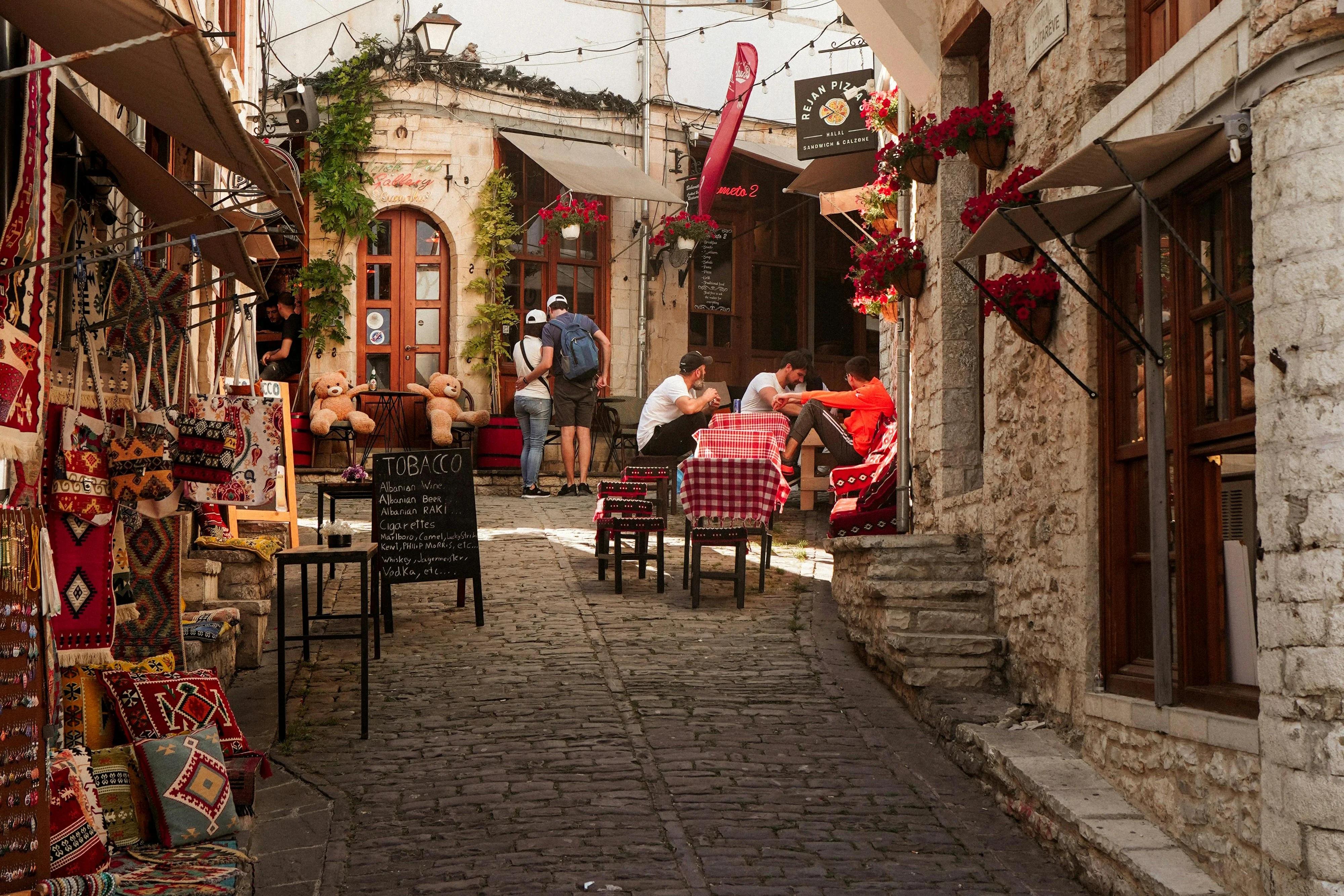
Albania’s long history also attracts visitors interested in culture and heritage tourism.
Key historical sites include:
- Berat - a UNESCO World Heritage city known as the “City of a Thousand Windows”
- Gjirokastër - another UNESCO-listed town famous for its Ottoman architecture
- Butrint - an ancient archaeological park and UNESCO World Heritage site
- Krujë - the historic hometown of national hero Skanderbeg
Berat and Gjirokastër together receive hundreds of thousands of visitors each year, reflecting the growing importance of cultural tourism.
Urban Tourism: Tirana
The capital city Tirana has emerged as a major urban tourism destination. Once largely overlooked by travelers, the city now attracts visitors with its vibrant cultural scene, colorful architecture, and growing nightlife.
Tirana also hosts:
- music festivals and cultural events
- international conferences and business tourism
- museums and historic landmarks
The city often serves as the main entry point for international tourists, thanks to its proximity to Tirana International Airport.
Nature and Adventure Tourism
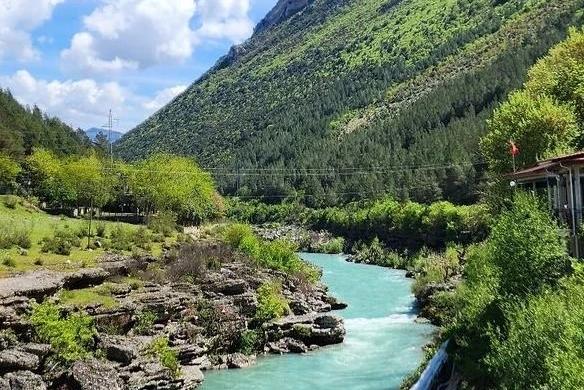
Albania’s mountainous landscapes have also become increasingly popular among adventure travelers.
The Albanian Alps in northern Albania are one of the country’s most spectacular natural areas. Destinations such as Theth and Valbona have gained international recognition for hiking and eco-tourism.
Popular activities include:
- hiking trails connecting Theth and Valbona valleys
- rafting on the Vjosa River
- exploring national parks and mountain villages
These areas are helping Albania promote a “four-season tourism model”, encouraging travel beyond the summer beach season.
Emerging Tourism Experiences
Beyond the main destinations, Albania is also developing new tourism experiences such as:
- lake tourism around Shkodër and Lake Ohrid
- agritourism and rural guesthouses
- music festivals and cultural events along the coast
Together, these destinations illustrate the diversity of Albania’s tourism offer, from Mediterranean beaches and historic cities to mountains and national parks.
Challenges Facing Tourism Growth
Although Albania’s tourism sector has grown rapidly, this expansion has also created several structural challenges. As visitor numbers continue to rise, the country must balance tourism development with sustainability, infrastructure capacity, and long-term economic stability.
Strong Seasonality
One of the biggest challenges facing Albania’s tourism sector is strong seasonality. The majority of visitors arrive during the summer months, creating intense pressure on coastal destinations while leaving many tourism businesses underutilized for the rest of the year.
Around 75-80% of tourist stays occur between June and September, with July and August representing the peak travel period.
The chart below illustrates how tourism demand is distributed throughout the year.

This concentration of visitors in a short period creates several issues:
- overcrowded beaches and tourism hotspots
- pressure on roads, water supply, and waste management
- lower profitability for hotels during the off-season
Environmental Pressure
Rapid tourism development has also raised concerns about environmental sustainability.
Some coastal areas have experienced unregulated construction, particularly near beaches, wetlands, and protected natural areas. Environmental organizations have warned that large resort developments could threaten sensitive ecosystems and landscapes.
At the same time, Albania has taken steps to improve conservation. For example:
- the Vjosa River was declared Europe’s first Wild River National Park in 2023
- new environmental regulations aim to better protect protected areas and national parks
Balancing tourism development with environmental protection remains a key policy challenge.
Infrastructure and Overcrowding
Tourism hotspots such as Ksamil, Sarandë, and Theth have experienced growing overcrowding during the summer season.
Common issues include:
- traffic congestion in coastal towns
- limited parking and transport infrastructure
- increased waste and water management challenges
As visitor numbers grow, improving infrastructure capacity will be essential to maintain the quality of the tourism experience.
Informal Economy in Tourism
Another challenge is the large informal accommodation sector. Many visitors stay in short-term rentals or unregistered guesthouses, which are not always included in official tourism statistics.
This informal market creates several problems:
- loss of tax revenue
- inconsistent service standards
- difficulty monitoring tourism capacity
The government has introduced policies such as reduced VAT rates for registered hotels and accommodations to encourage businesses to formalize their operations.
Market Concentration
Albania’s tourism market is still heavily dependent on regional visitors, particularly from neighboring Balkan countries.
More than 70% of tourists come from nearby Southern European markets, which makes the sector vulnerable to economic or political changes in the region.
Diversifying tourism markets and attracting more visitors from Western Europe and long-haul destinations is therefore an important strategic goal.
References
Albania’s Tourism Strategy to 2030
As tourism continues to expand, Albania has introduced long-term policies aimed at making the sector more sustainable and economically impactful. The National Tourism Strategy to 2030 focuses on improving infrastructure, protecting natural resources, and expanding tourism beyond the summer season.
Key Targets
The strategy sets several goals for the next decade:
- €6-7 billion in tourism revenue by 2030
- Tourism contributing around 25-26% of GDP
- Over 70,000 jobs supported by the tourism sector
- Continued growth in international arrivals
Geographic Diversification
A major priority is spreading tourism across more regions of the country to reduce pressure on coastal areas. Development efforts focus on:
- the Albanian Riviera
- the Albanian Alps
- cultural cities like Berat and Gjirokastër
- urban tourism in Tirana
This approach supports a year-round tourism model rather than relying mainly on summer beach travel.
Sustainability and Cultural Tourism
The strategy also emphasizes environmental protection and cultural tourism.
Key initiatives include:
- expanding protected areas and national parks
- promoting UNESCO heritage sites such as Berat, Gjirokastër, and Butrint
- strengthening regulations for sustainable tourism development
Through these efforts, Albania aims to transition from a rapidly growing destination into a more mature and sustainable tourism market by 2030.
From Hidden Gem to Mediterranean Contender
In just over a decade, Albania has transformed from a little-known destination into one of Europe’s fastest-growing tourism markets. International arrivals have increased dramatically, bringing new investment, jobs, and infrastructure development.
Tourism is now a key pillar of Albania’s economy, supported by its beaches, historic cities, and mountain landscapes. However, managing rapid growth while protecting natural and cultural resources will be crucial.
With the right balance between development and sustainability, Albania has the potential to become a major Mediterranean tourism destination in the years ahead.
Frequently Asked Questions
How much has tourism in Albania grown?
Tourism has grown significantly, with international visitors rising from about 3.6 million in 2014 to over 12 million expected in 2025.
Why is Albania becoming a popular destination?
Albania is gaining popularity due to its affordable prices, beautiful beaches, rich cultural heritage, and improved flight connections across Europe.
What are the main tourist attractions in Albania?
Key attractions include the Albanian Riviera, UNESCO cities like Berat and Gjirokastër, the Albanian Alps, and the capital city Tirana.
How important is tourism to Albania’s economy?
Tourism is a major economic driver, contributing over 20% of GDP when indirect effects are included and supporting thousands of jobs.
What are the main challenges facing tourism in Albania?
The main challenges include strong seasonality, environmental pressure, infrastructure strain during peak season, and the informal accommodation sector.
References
- Arrivals of foreigners in Albania by purpose of travel - INSTAT
- Tourism revenue: Albania - Statbase
- The movements of foreign citizens according to the purpose travel - INSTAT
- Albania Tourism Statistics - Worldmetrics
- Market Statistics - Tirana International Airport
- Llogara Tunnel Opens, Cutting Travel Time to Southern Albania
- Durrës Port Authority - Official Website
- Tourism in Figures 2022 - Albania (INSTAT Report)
- Albania Tourism Statistics - Market Data & Key Insights (2026 Report)
- Tourism Statistics - Albania (INSTAT Official Data Portal)