Why some patients see faster whitening results - A closer look at Enamel differences
Tooth whitening individual differences result from variations in enamel thickness teeth whitening permeability and mineralization levels, which explain why 2024 data from Dr. Kristina Kasaj.
TL;DR
Research by Dr Kristina Kasaj in 2024 involving 12 patients of African ethnicity and 10 Albanian patients highlights that enamel thickness teeth whitening outcomes are largely dictated by genetic porosity and mineralization. African enamel tends to be denser and more resistant to superficial staining compared to Albanian enamel, which often presents higher porosity for quicker chemical absorption.
Quick Tips
Tip 1: Always check your enamel thickness teeth whitening potential before starting high concentration peroxide treatments.
Tip 2: Use a desensitising toothpaste two weeks before whitening to prepare porous enamel whitening results.
Tip 3: Maintain white results by avoiding dark liquids for forty-eight hours after your procedure.
What Enamel Characteristics Dictate Whitening Success?
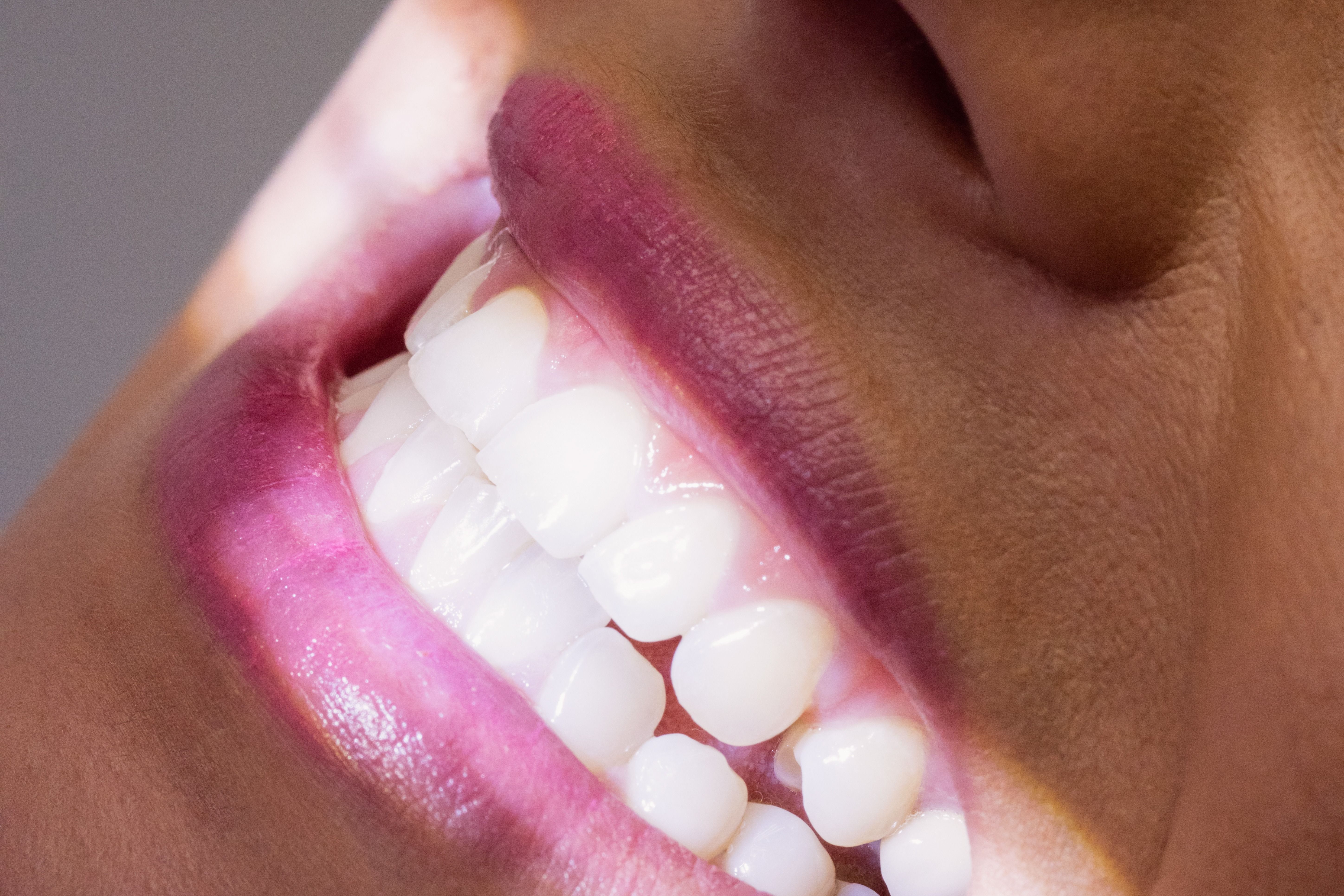
Enamel is the hardest substance in the human body, but its structure is far from uniform across the global population. The primary factors affecting teeth whitening success include the density of the hydroxyapatite crystals and the overall enamel thickness teeth whitening capacity. Think of enamel like a protective shield; some shields are thick and solid, while others are slightly more like a sponge with microscopic openings.
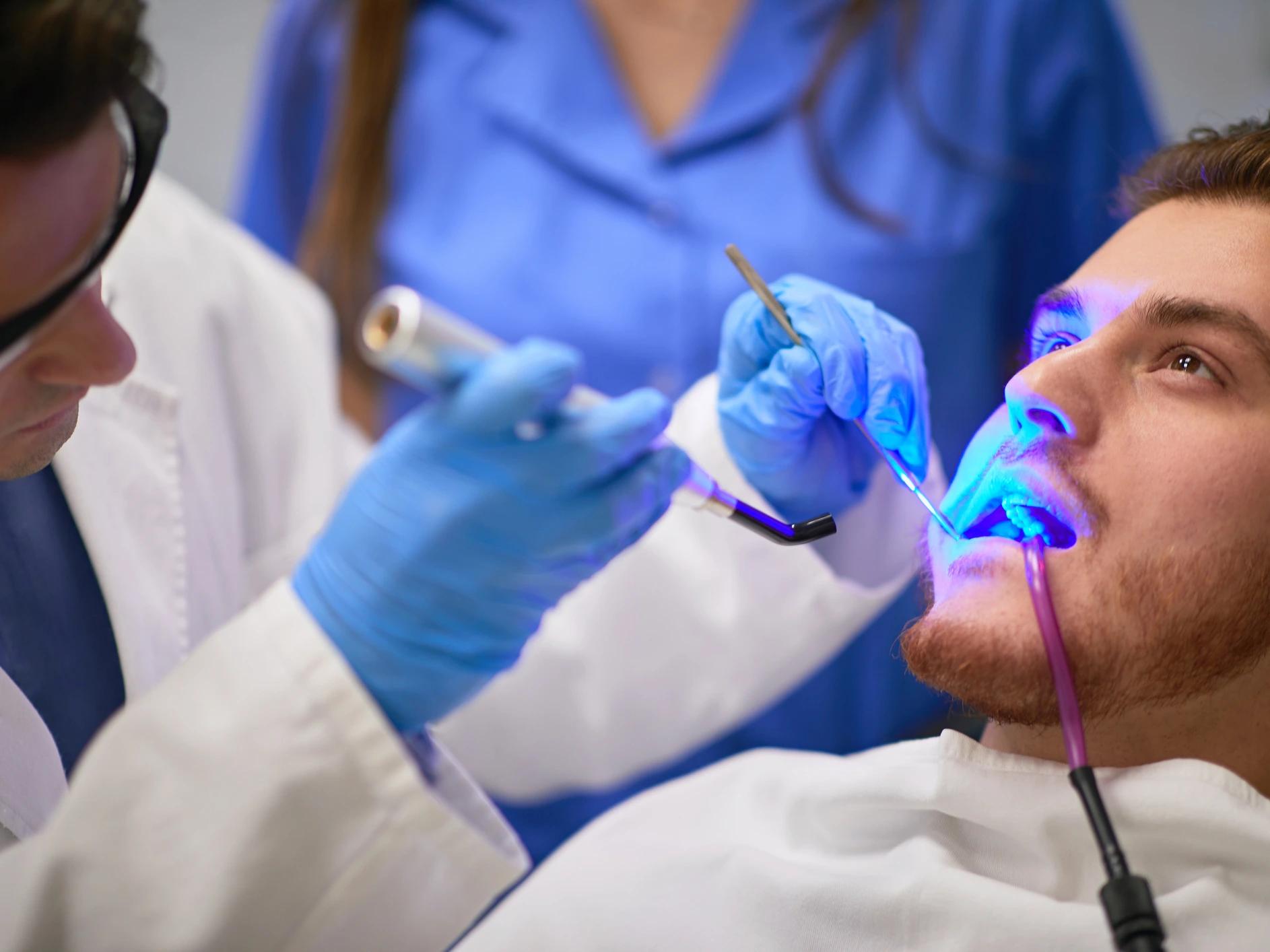
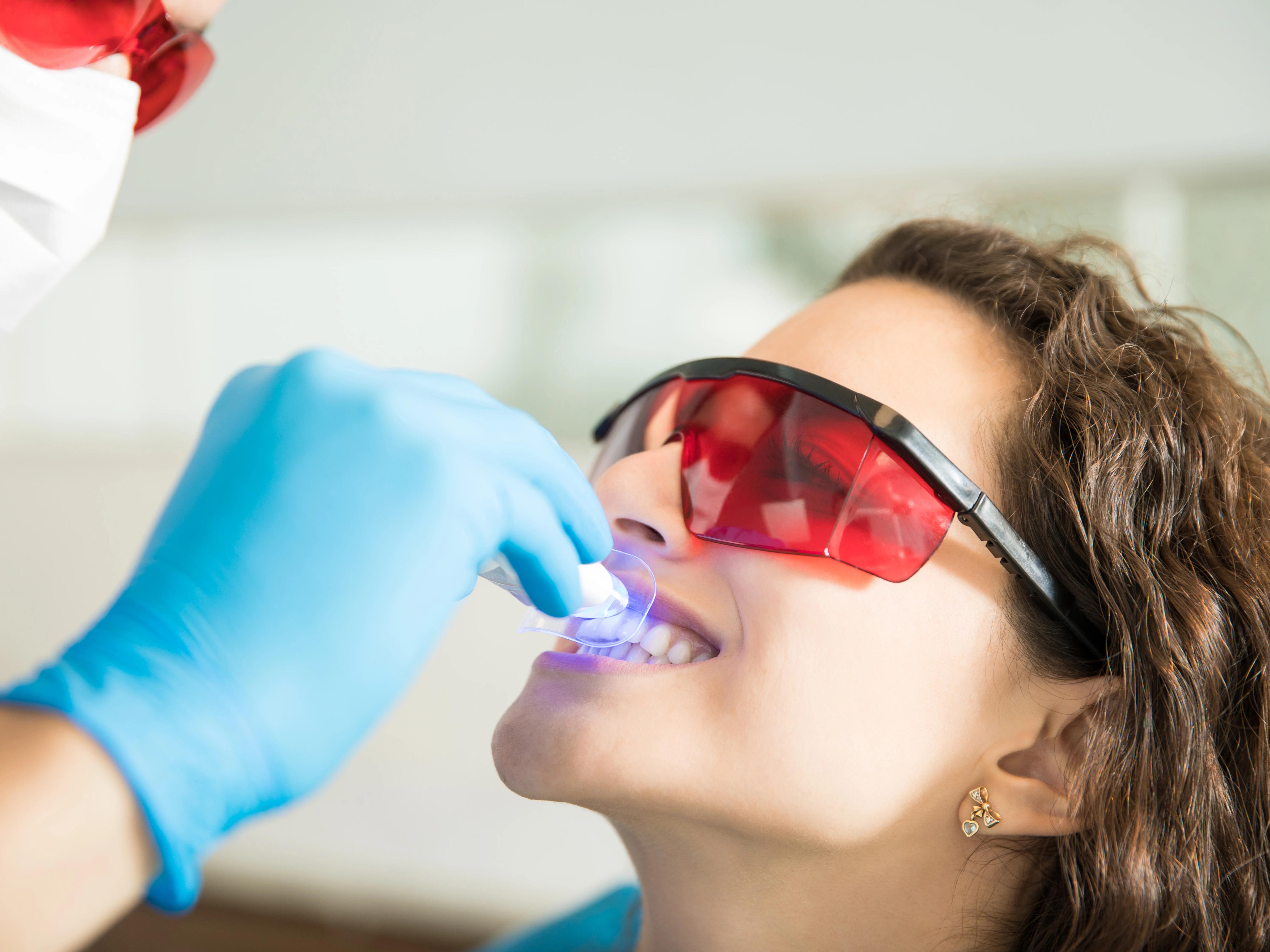
When a dentist applies a whitening agent, the peroxide must travel through these microscopic pores to reach the dentine. Denser enamel with high mineralization acts as a sturdy barrier, slowing down the penetration of the bleaching gel. This is why some teeth whiten faster than others even when using the same professional-grade product. If the mineral content is extremely high, the whitening process requires more time or a higher concentration to see a visible change in shade.
However, it is not just about density; the thickness of the outer layer plays a massive role. Thin enamel allows the naturally yellowish hue of the underlying dentine to shine through more prominently. In these cases, even the most aggressive whitening treatment may not achieve a "paper-white" look because the structural limitation prevents a complete mask of the internal tooth colour.
How Does Enamel Type Affect Staining and Absorption?
There is a direct correlation between porous enamel whitening results and the speed at which a patient sees a transformation. Porosity refers to the number and size of the "tubules" or tiny holes on the tooth surface. Individuals with high porosity see rapid results because the whitening oxygen molecules can flood into the tooth structure quickly, breaking down deep-set stains in a fraction of the time.
Yet, there is a distinct trade-off to having porous teeth. While they whiten quickly, they also absorb pigments from food and drink at an accelerated rate. This means that a person who drinks red wine or black coffee with porous enamel will see their results fade much faster than someone with denser, "glass-like" enamel. It is a constant cycle of rapid brightening followed by rapid staining if the patient is not careful with their diet.
The following table compares the two primary enamel profiles encountered in clinical settings, such as the practice of Dr Kristina Kasaj. Understanding which category one falls into can help in planning a maintenance schedule and managing post-treatment care effectively.
How Does Enamel Type Affect Staining and Absorption?
| Characteristic | Porous Enamel Profile | Dense Enamel Profile |
|---|---|---|
Whitening Speed | Rapid (1-3 sessions) | Slower (5-10 sessions) |
Why Do Some People Achieve Whiter Results Naturally?

The biological reasons why certain individuals naturally possess whiter teeth are often rooted in genetics and ethnicity. In a 2024 study conducted by Dr Kristina Kasaj, observations were made comparing 12 patients of African ethnicity with 10 Albanian patients. The findings suggested that tooth whitening individual differences are significantly influenced by ethnic background and environmental factors.
Dr Kristina Kasaj observed that the patients of African origin frequently possessed thicker, more opaque enamel. This thickness provides a natural brilliance because the white outer layer is dominant over the internal yellow dentine. Conversely, the Albanian patient group often exhibited enamel with varying levels of transparency. While this can make teeth look more natural, it also means the whitening gel has a different "canvas" to work on, often requiring more nuanced approaches to reach a high-key brightness.
“”The structural integrity of the enamel determines the ceiling of how white a tooth can get. We must treat every patient based on their unique biological blueprint rather than a one-size-fits-all approach. - Dr Kristina Kasaj, Sigma Dental Principal.
This dynamic in the dental office is vital. A dentist must explain that a starting line is determined by one's parents. Some people are born with "weed-free gardens," where their enamel is naturally smooth and reflective.
What Are the Risks of Whitening Different Enamel Types?
Every medical procedure has limitations, and tooth whitening is no exception. The primary risk associated with factors affecting teeth whitening success is dental hypersensitivity. This occurs when the peroxide reaches the nerves inside the tooth. For patients with thin or highly porous enamel, this sensation can feel like a sharp "zing" or a dull ache that lasts for several days after the appointment.
Another risk is the development of uneven results, sometimes called "mapping." This happens because enamel is not always uniform across a single tooth. One area might be more mineralised than another, leading to white spots that appear brighter than the rest of the tooth. Over-whitening can also lead to a translucent or "grey" appearance. This is a sign that the enamel is becoming too thin from over-exposure to acids, which is irreversible and requires professional intervention to fix.
- Hypersensitivity: Temporary but sharp pain caused by peroxide entering the dentinal tubules.
- Dehydration: Teeth often look unnaturally white immediately after treatment because they have lost water.
- Gum Irritation: Chemical burns on the soft tissue if the protective barrier is not applied correctly.
- Technicity: The risk of creating a "translucent" look by stripping too many minerals from the surface.
How to Decide Which Whitening Plan Is Best for You
Selecting the right approach is like buying food insurance for a smile; one wants the plan that covers specific risks. Before booking a flight to a dental tourism hub like Albania or visiting a local clinic, one must evaluate one's own oral health landscape. This prevents wasting money on treatments that might not suit a biological profile or enamel density.
- Assess sensitivity: If there is pain when drinking cold water, one likely has porous enamel and should opt for a slower, low-concentration home kit.
- Identify staining habits: Heavy coffee drinkers with dense enamel might need a powerful in-office laser treatment to break through tough external layers.
Let’s Talk About Your Smile - Free Consultation
Trusted by thousands of international patients in Albania

Frequently Asked Questions
What is the typical cost?
In practice, a professional whitening treatment usually costs between £300 and £700 depending on the technology used. Home kits provided by clinicians are often at the lower end of this range.
How long does it take?
In-office procedures typically take about 60 to 90 minutes for a full session. At-home trays usually require 10 to 14 days of consistent wear to see peak results.
Can whitening damage my enamel forever?
No, when performed by a professional, whitening does not cause permanent damage to the enamel structure. However, doing it too frequently or using unapproved products can lead to temporary mineral loss.
Will my crowns or veneers whiten?
Standard whitening gels only work on natural tooth structure and will not change the colour of ceramic or composite materials. If there is visible dental work, it may need to be replaced after whitening.
Why are my results different from my friend?
Enamel thickness teeth whitening rates vary because of individual porosity and density. A friend may have more porous enamel, allowing for faster absorption of the bleaching.
Final Thoughts
Achieving the perfect smile is a journey that depends heavily on one's unique biological makeup. As the 2024 study by Dr Kristina Kasaj illustrates, factors like ethnicity and enamel density play a massive role in results. By understanding one's enamel profile, one can manage expectations and choose a treatment that protects oral health. If seeking a brighter smile, consult with a professional who can provide a bespoke plan tailored.
References:
Influence of Enamel Thickness on Bleaching Efficacy
Effect of various tooth-whitening products on enamel microhardness
Author

Dr. Kristina Kasaj
Dr. Kristina Kasaj is a dedicated dental professional with a strong academic foundation, holding a Master’s degree in Stomatology from Albanian University UFO in Tirana. She has further expanded her expertise through specialized training in Implantology at Isufi Academy, as well as in Filler and Botox treatments at Dermolife Esthetic Academy.
With extensive experience in the healthcare and hospital sector, Dr. Kasaj founded Sigma Dental, a practice committed to delivering high-quality care to both national and international patients. The clinic provides expert treatments in endodontics, oral surgery, orthodontics, and general dentistry.