Dental Bridge Cost Comparison: Albania vs the UK vs Poland vs Turkey (2025)
Dental bridges are a common restorative dental treatment. They are also one of the most expensive treatments when carried out privately. Based on published UK private dentistry prices and publicly available clinic price lists from Albania, Poland, and Turkey, dental bridge treatment abroad typically costs 40-70% less than in the UK, depending on the country, bridge type, and materials used.
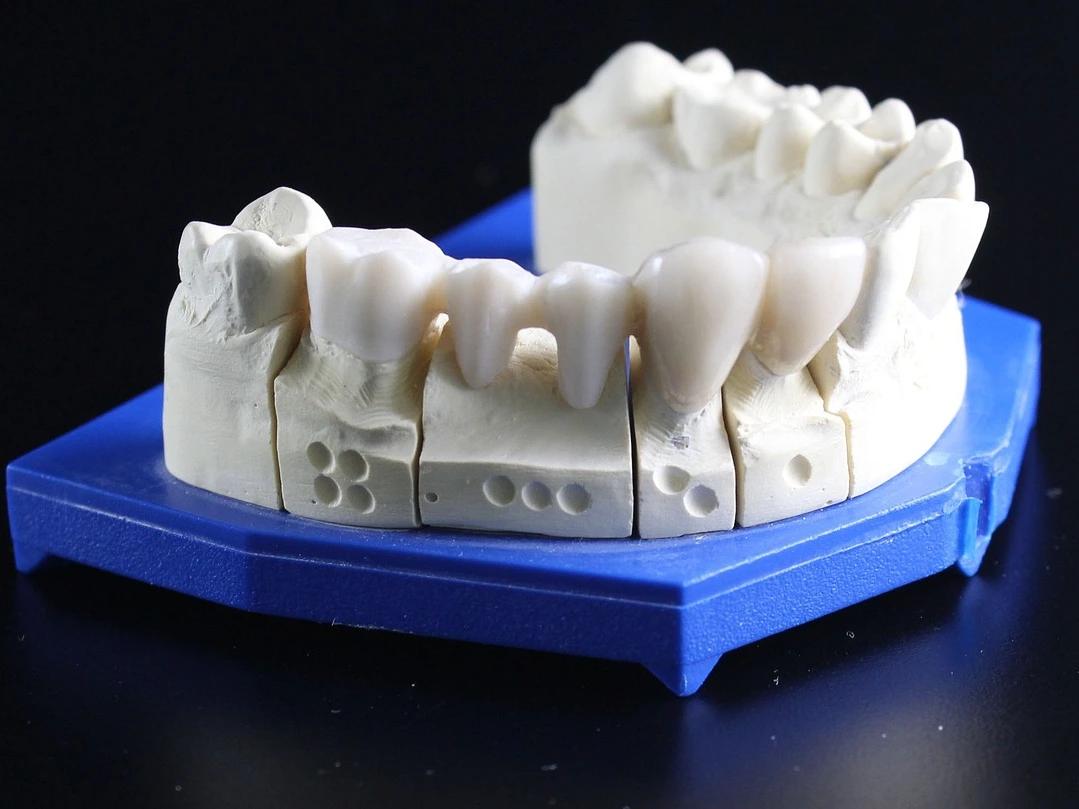
Dental bridges are a common restorative dental treatment. They are also one of the most expensive treatments when carried out privately.
Based on published UK private dentistry prices and publicly available clinic price lists from Albania, Poland, and Turkey, dental bridge treatment abroad typically costs 40-70% less than in the UK, depending on the country, bridge type, and materials used.
This guide provides factual decision support. It explains what dental bridges are, how costs compare across the UK, Albania, Poland, and Turkey, what is included in typical pricing, and when travelling abroad does and does not make sense.
TL;DR
Are dental bridges cheaper abroad than in the UK?
Yes. Private dental bridges are significantly cheaper abroad than in the UK
- UK private price (3-unit bridge): £750 - £2,400
- Albania: £340 - £445
- Poland: £560 - £700
- Turkey: £450 - £900
Most tooth-supported bridges can be completed in one trip, so travel costs reduce but rarely eliminate the savings. The lower prices abroad mean you could save up to 70% compared to UK costs, reflecting local economic factors like wages and clinic overheads, without compromising on quality or materials.
What is a dental bridge?
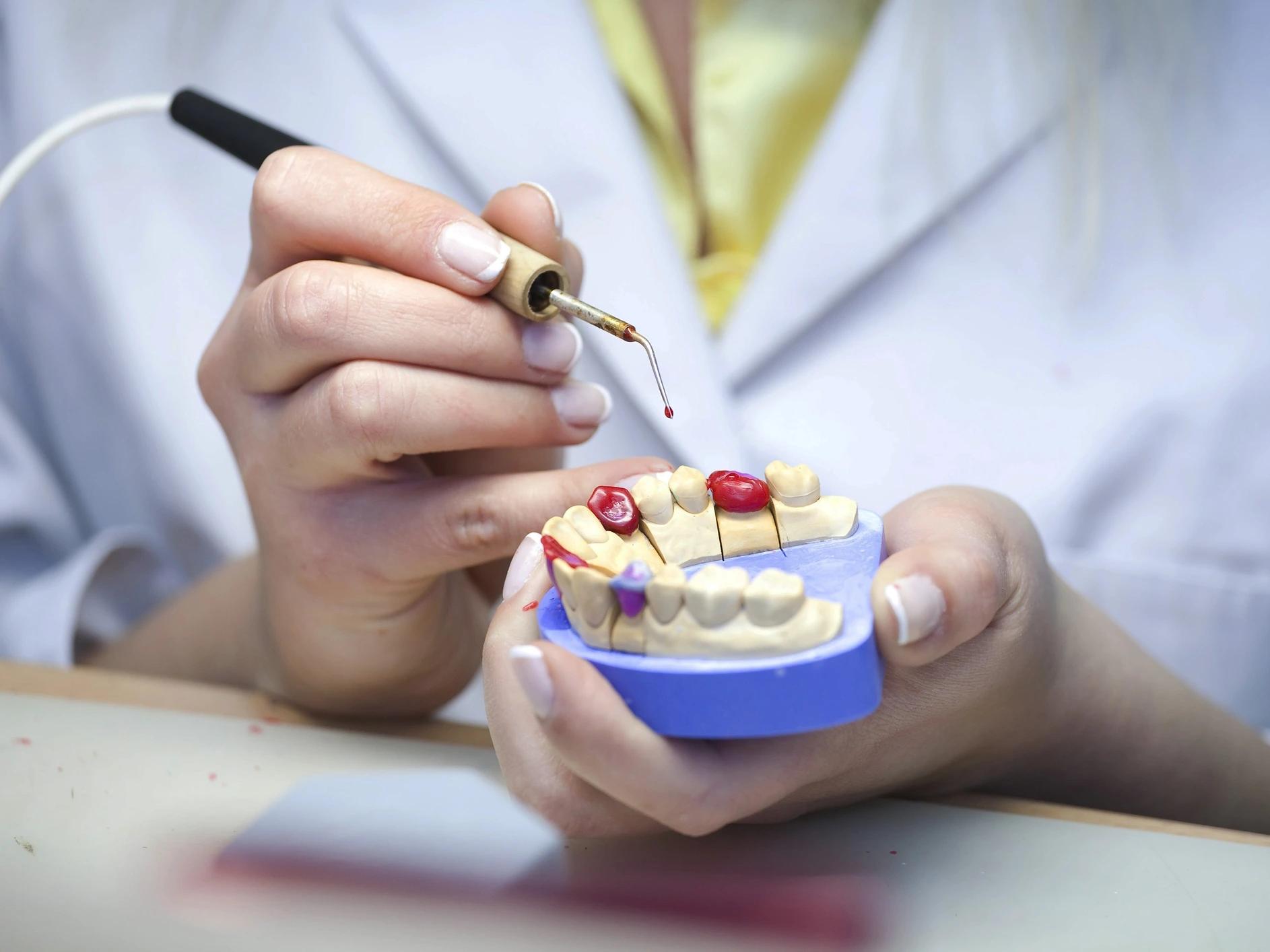
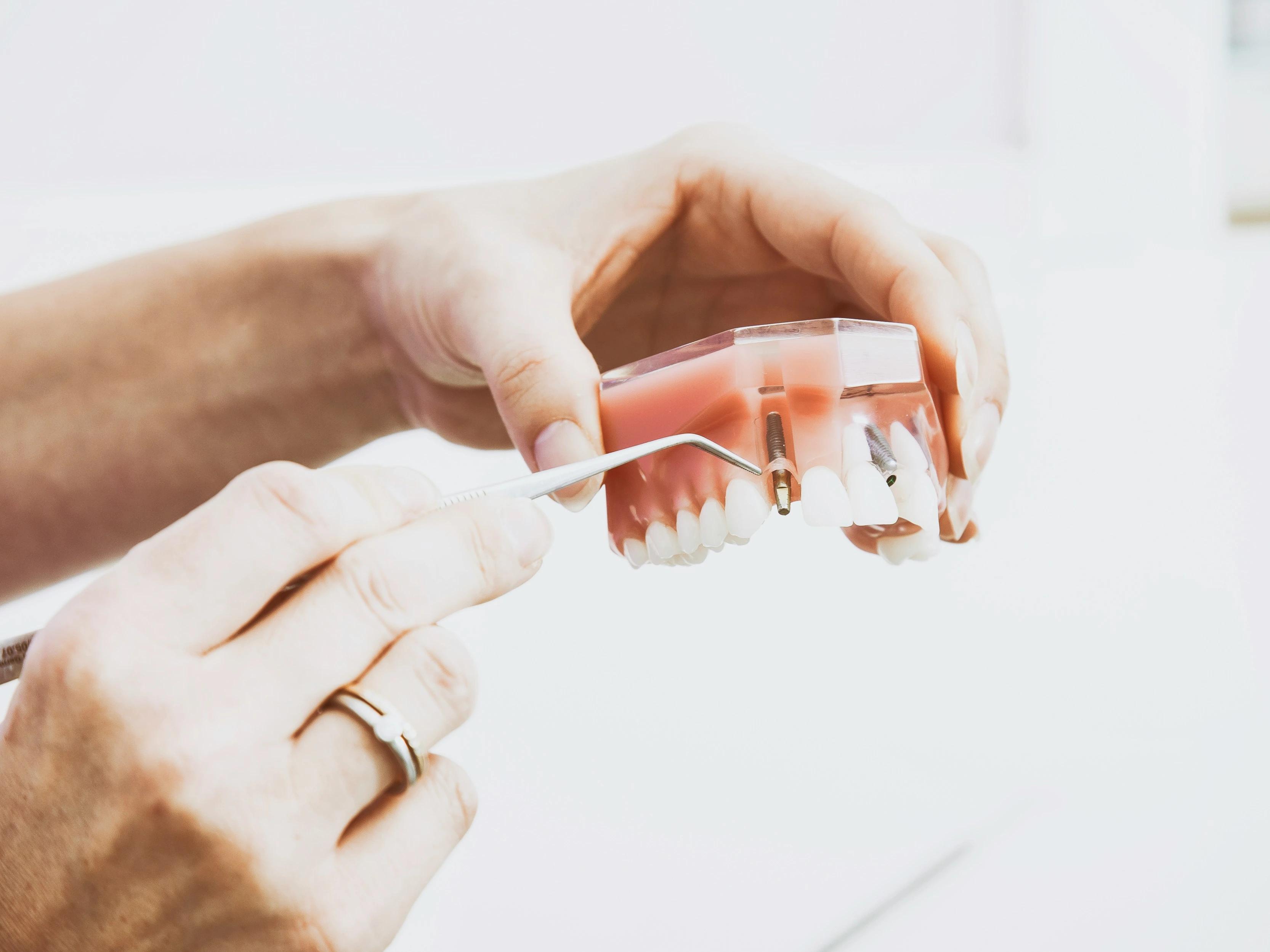
A dental bridge is a fixed dental restoration used to replace one or more missing teeth. An artificial tooth (or teeth) is supported either by neighbouring natural teeth or by dental implants.
Dental bridges are used to restore chewing function, prevent nearby teeth from drifting, maintain bite alignment, and replace missing teeth without removable dentures.
Unlike dentures, bridges are not removable. Unlike implants, traditional tooth-supported bridges do not require surgical placement when supported by natural teeth.
A key point many patients misunderstand is that most bridges require preparation of healthy neighbouring teeth. This makes bridge treatment a long-term and largely irreversible commitment, even though the bridge itself may need replacing in the future.
References:
Types of dental bridges and treatment complexity
Several types of dental bridges are used in modern dentistry. The type chosen affects cost, durability, and suitability for overseas treatment.
Traditional (tooth-supported) bridges are the most common. Crowns are placed on teeth on either side of the gap, with an artificial tooth in between. These are the main focus of cost comparisons abroad.
Cantilever bridges are supported on one side only. They are used less frequently due to higher stress on the supporting tooth.
Maryland (resin-bonded) bridges are typically used for single front teeth. They involve minimal preparation but are less durable.
Implant-supported bridges are used when there are no suitable natural teeth for support. These are more complex, more expensive, and usually require multiple visits.
For UK patients travelling abroad, traditional tooth-supported bridges are generally the most predictable and practical option.
References:
Let’s Talk About Your Smile - Free Consultation
Trusted by hundreds of international patients in Albania

Dental bridge costs in the UK
In the UK, dental bridges are usually provided as private treatment. NHS bridges are available only in limited clinical situations and with restricted material options.
Typical private UK prices:
- Per bridge unit (crown or pontic): £250 - £800
- 3-unit bridge (one missing tooth): £750 - £2,400
- Implant-supported bridge: £3,500 - £4,000+
Where eligible, NHS bridge treatment falls under Band 3 (£326.70 in England), but access, waiting times, and material choice are limited.
High UK private prices are driven by staff wages, laboratory fees, professional indemnity insurance, regulatory compliance, and high practice overheads rather than differences in materials or techniques.
References:
Dental bridge costs in Albania
Albania has become a popular destination for UK and EU patients seeking private dental treatment at lower cost.
Published prices from Albanian clinics treating international patients typically fall within these ranges:
Porcelain-fused-to-metal (PFM) bridge:
- Per bridge unit: £114 - £149
- 3-unit bridge: £340 - £445
Zirconia bridge:
- Per bridge unit: £140 - £218
- 3-unit bridge: £655 - £1,440
Most Albanian clinics quote bundled prices, usually including consultation, tooth preparation, temporary bridges, laboratory work, final fitting, and bite adjustments. This gives overseas patients clearer upfront costs.
Lower pricing reflects Albania’s lower cost of living, wages, and clinic overheads combined with high patient volumes. Reputable clinics use CE-marked materials and modern digital laboratory workflows.
References:
Dental bridge costs in Poland
Poland is a well-established dental destination within the EU and offers moderate savings compared with the UK.
Typical private prices:
Porcelain-fused-to-metal (PFM) bridge:
- Per bridge unit: £187 - £230
- 3-unit bridge: £560 - £700
Zirconia bridge:
- Per bridge unit: £330 - £420
- 3-unit bridge: £1,000 - £1,250
Prices reflect factors such as material type, complexity of the procedure, and laboratory work. Additional costs may apply for consultations, adjustments, or preparatory dental work.
References:
Dental bridge costs in Turkey
Turkey offers some of the lowest headline prices for dental bridges in Europe, though pricing and standards vary widely between clinics.
Typical private prices:
Porcelain-fused-to-metal (PFM) bridge:
- Per bridge unit: £150 - £300
- 3-unit bridge: £450 – £900
Zirconia bridge:
- Per bridge unit: £330 - £420
- 3-unit bridge: £990 - £1,260
Many Turkish clinics advertise package pricing that may include accommodation and transfers. Turkey operates outside EU medical device regulation, so patients should verify materials, laboratories, and clinician credentials carefully.
References:
Comparing costs like-for-like
A meaningful comparison requires the same type of bridge, number of units, materials, and clinical steps.
A typical like-for-like comparison uses a 3-unit, tooth-supported bridge made from porcelain-fused-to-metal or zirconia, including consultation, preparation, laboratory work, and final fitting.
| Country | Typical cost | Saving vs UK |
|---|---|---|
UK (private) | £750 - £2.400 | - |
Albania | £340 - £445 | 40 - 85% |
Poland | £560 - £700 | 30 - 75% |
Turkey | £450 - £900 | 40 - 80% |
Materials used across countries
Across the UK, Albania, Poland, and Turkey, reputable clinics typically use the same core materials:
- Porcelain-fused-to-metal (PFM)
- Zirconia
- Lithium disilicate (E-max)
In the UK, Albania, and Poland, materials are CE-marked under EU Medical Device Regulation. Turkey is outside the EU framework, but many clinics still use internationally recognised brands.
References:
What to look out for when going abroad (bridges and implants)
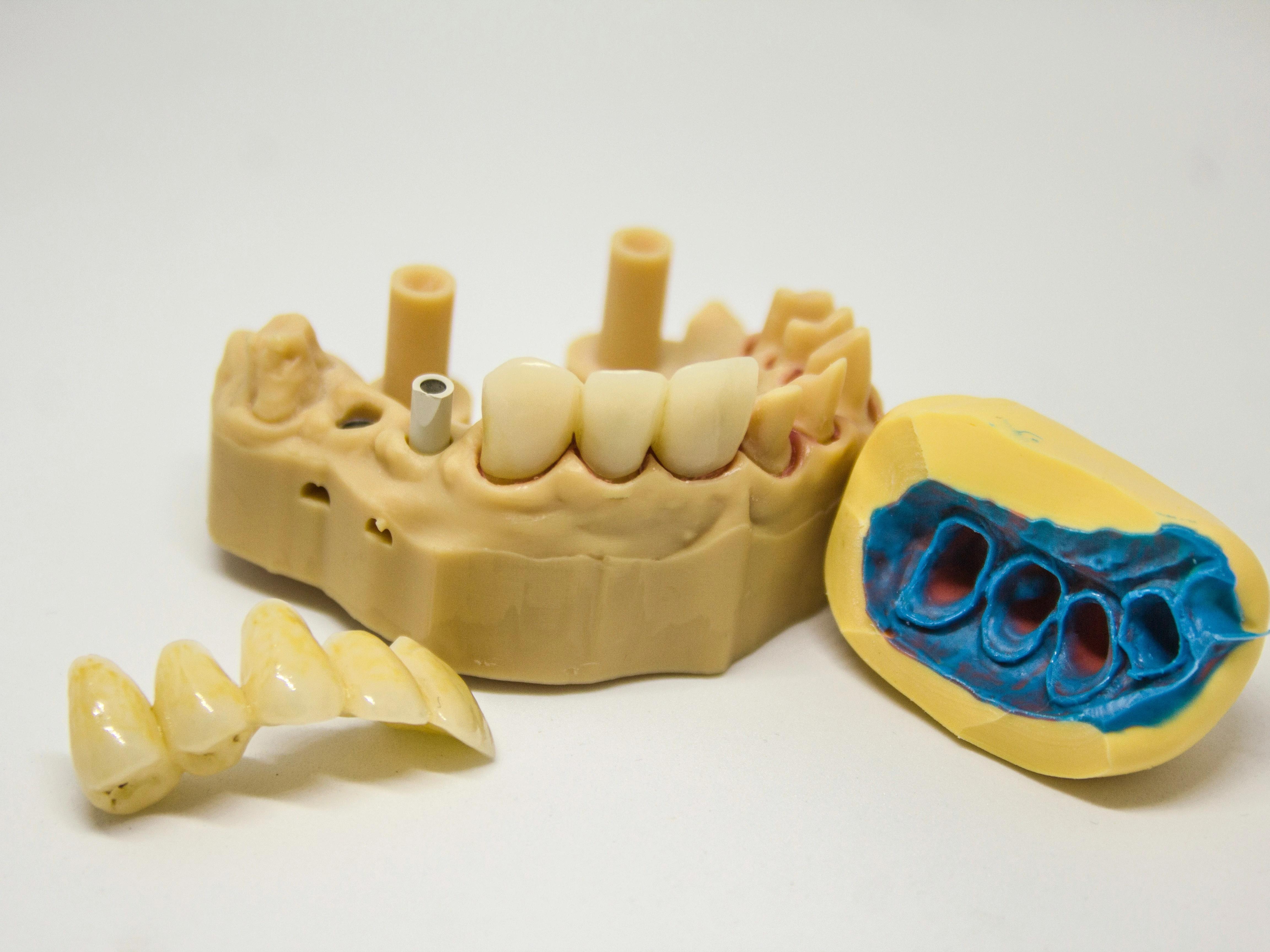
Travelling abroad for tooth-supported bridges is generally low risk when clinics are properly selected. Implant-supported bridges require more caution.
Patients should confirm diagnosis, imaging, implant brand, staged timelines, and written treatment plans. Clinics promising full implant bridges in one short visit should be approached cautiously.
References:
What is usually included in overseas bridge pricing
Most overseas clinics include consultation, X-rays, tooth preparation, temporary bridges, laboratory work, and final fitting.
References:
Treatment timelines and travel requirements
One of the main reasons dental bridges are suitable for overseas treatment is that most tooth-supported bridges can be completed in a single visit. Unlike implants, they do not rely on healing or integration phases.
A typical timeline for a tooth-supported bridge abroad looks like this:
- Day 1–2: Consultation, X-rays, tooth preparation, and placement of a temporary bridge
- Day 3–5: Laboratory fabrication of the permanent bridge
- Day 6–7: Final fitting, bite adjustment, and checks
This means most patients need to stay 5–7 days in the destination country. Clinics that regularly treat international patients schedule treatment tightly to minimise time away.
Implant-supported bridges are different. These usually require multiple visits several months apart and are less suitable for patients seeking a single-trip solution.
For UK patients, this one-trip nature is what makes travelling abroad for bridges practical and predictable.
References:
Total cost comparison (treatment + travel)

When considering dental treatment abroad, it’s important to look at total cost, not just the clinic price. A realistic comparison includes:
- Dental treatmentFlights
- Accommodation during treatment
- Food, local transport, and travel insurance
These travel-related costs are largely fixed, regardless of whether treatment costs £700 or £1,500. In contrast, UK private dental pricing increases sharply with treatment size and complexity.
This is why, even after travel and accommodation are included, treatment abroad often remains substantially cheaper than UK private care. The saving comes from structural cost differences, not from cutting corners.
For patients needing multi-unit bridges, the saving is often even clearer, because travel costs stay roughly the same while UK treatment prices rise further.
The table below reflects conservative estimates, not best-case scenarios, and still shows meaningful savings.
| Country | Treatment | Travel & stay | Total cost | Saving vs UK |
|---|---|---|---|---|
UK | £750 - £2,400 | £0 | £750 - £2,400 | - |
Albania | £340 - £445 | £500 - £800 | £840 - £1,245 | 35 - 55% |
Poland | £560 - £700 | £500 - £800 | £1,160 - £1,500 | 20 - 40% |
Turkey | £450 - £900 | £500 - £800 | £950 - £1,700 | 15 - 30% |
References:
Decision-making checklist
Travelling abroad for dental treatment is not about chasing the lowest headline price. It’s about balancing cost, complexity, risk, and practicality.
For many UK patients, dental bridges sit in a “sweet spot”:
- They are fixed, predictable treatments
- They usually require one visit
- Aftercare can be handled locally in the UK
- Total costs remain lower even after travel
The checklist below is designed to help you assess suitability calmly and realistically. If most boxes align with your situation, travelling abroad is often a reasonable and safe decision.
What matters most is choosing the right type of treatment for travel and a clinic that plans conservatively and communicates clearly, not simply choosing the cheapest option.
| Factor | UK | Albania | Poland | Turkey |
|---|---|---|---|---|
Cost | High | Low | Medium | Lowest |
Regulation | UK | EU-aligned | EU | Non-EU |
One-trip suitability | Yes | Yes | Yes | Yes |
Aftercare access | Excellent | Excellent | Good | Variable |
Risk (simple bridge) | Low | Low | Low | Medium |
Risk (implants) | Medium | Medium | Medium | Higher |
Aftercare, maintenance, and long-term considerations
Aftercare for dental bridges is usually straightforward. Once a bridge is properly fitted and the bite is stable, ongoing care does not depend on the country where the bridge was placed.
Who is responsible for maintenance?
After returning to the UK, routine maintenance is your responsibility, just as it would be for a privately placed UK bridge. This includes check-ups, hygiene visits, and monitoring gum health. Any UK dentist can provide this care.
Will a UK dentist treat a bridge done abroad?
Yes. UK dentists cannot refuse care simply because a bridge was placed overseas. They can examine the bridge, clean around it, adjust the bite, re-cement it if loose, and carry out minor repairs. What they usually will not do is honour a warranty from an overseas clinic.
What happens if something goes wrong?
Most post-treatment issues are minor and manageable locally. If problems arise shortly after treatment, overseas clinics often advise remotely and may offer corrections. Issues that occur months or years later are treated as normal restorative wear, the same as UK private dentistry.
Do I stay in touch with the dentist abroad?
Reputable clinics typically provide post-treatment contact by email or WhatsApp. This advice is usually included in the treatment price, although travel for return visits is not. In practice, most patients do not need to return abroad for bridge aftercare.
Is aftercare realistically covered?
For tooth-supported bridges, aftercare works well across borders. Patients benefit from lower upfront costs abroad while relying on UK dentists for routine care. With proper planning and regular check-ups, aftercare is generally safe, practical, and well covered.
Resources:
Frequently Asked Questions
Is travelling abroad for a dental bridge risky?
For tooth-supported bridges, risk is generally low when clinics are properly vetted and treatment is completed in one visit. Risk increases with implant-supported bridges, which require surgery, healing time, and multiple stages.
Can dental bridges really be done in one trip?
Yes, in most tooth-supported cases. Treatment is usually completed over 5–7 days, including preparation, temporary bridges, and final fitting. Implant-supported bridges usually require multiple trips several months apart.
What happens if something goes wrong after I return to the UK?
UK dentists can examine, clean, adjust, and repair bridges placed abroad. Minor issues such as bite adjustments or re-cementation can usually be handled privately in the UK. Full replacement would be treated as a new restoration, regardless of where the original bridge was placed.
Does travelling abroad still make sense once travel costs are added?
In many cases, yes. Even after flights, accommodation, and other expenses are included, total costs in Albania, Poland, and Turkey are often still significantly lower than UK private treatment, especially for multi-unit bridges.
Final thoughts
Dental bridges are significantly more expensive in the UK than in many European countries, particularly when treatment is provided privately. For straightforward, tooth-supported bridge cases, travelling abroad can offer meaningful cost savings without requiring patients to compromise on materials or basic clinical standards.
Among the countries compared, Albania often represents the most balanced option for UK patients. It combines lower prices with EU-aligned materials, modern clinics, and treatment timelines that suit single-visit bridge work. Poland provides a similar regulatory environment but usually with smaller savings, while Turkey offers low prices, but it can involve greater inconsistency in clinical standards, materials used, and aftercare arrangements, making it a less predictable choice for patients looking for a straightforward and dependable option.
References and further reading
- Dental Bridges Treatment & Cost | Bupa Dental Care UK
- Going abroad for dental treatment | General Dental Council (GDC)
- Compare Cheap Flights & Book Airline Tickets to Everywhere | Skyscanner
- Answering your questions on dental tourism
- All about dental bridges – treatment procedure, variants, costs | Kalimedica
- How Long Does It Take to Put a Bridge in Your Mouth? | Biology Insights
- Dental Bridge: 4 Types, Benefits, Use Case and Costs | Healthline
Let’s Talk About Your Smile - Free Consultation
Trusted by hundreds of international patients in Albania
Author

Marcela Shehu
Marcela Shehu is the Co-Founder of Dental Tourism Albania and a UK-based patient coordinator specialising in cross-border dental care. She lives in London and splits her time between London and Tirana, giving her first-hand insight into both UK patient expectations and the standards of leading dental clinics in Albania.
Marcela works closely with carefully vetted clinics in Tirana, supporting patients with treatment planning, travel coordination, and aftercare guidance. Through the blog, she shares practical insights on dental procedures, cost comparisons, and how to safely plan dental treatment in Albania with confidence.
Related Blogs