Dental implants cost in Albania vs the UK (2026)
Dental implants in Albania typically cost around 60 to 80 percent less than private dental implants in the UK. This estimate is derived from a comparison between published UK private implant prices, such as those from The Campbell Clinic (UK) and Bupa Dental Care, and the pricing information we collect directly from our partner clinics in Albania.
Dental implants in Albania typically cost around 60 to 80 percent less than private dental implants in the UK. This estimate is derived from a comparison between published UK private implant prices, such as those from The Campbell Clinic (UK) and Bupa Dental Care, and the pricing information we collect directly from our partner clinics in Albania.
The percentage saving becomes more pronounced as treatment complexity increases. For single implants the difference is meaningful, but for full-arch and full-mouth rehabilitation, UK private prices often reach five figures. At the same time, Albanian clinics publish prices in the low to mid thousands.
These figures are not marketing estimates. They are based on published, auditable sources.
Primary sources for the 60 to 80 percent comparison:
- Bupa Dental Care, UK private implant pricing
- The Campbell Clinic (UK), published price list
- Data from our partner clinics in Albania, reflecting current implant prices
References:
TL;DR
- Single implant with crown: Albania £550 to £900; UK private clinics £2,400 and above.
- All-on-4 per arch: Albania £3,000 to £4,200; UK private prices commonly £15,000 or more per arch.
- Full mouth rehabilitation: Albania £7,000 to £14,000; UK private £30,000 to £60,000 or more.
- Savings of 60 to 80 percent are calculated using published UK private prices and Albanian clinic price lists.
Most implant treatments require two trips, but total costs usually remain far lower in Albania even after travel and accommodation.
How much do dental implants cost in Albania compared with the UK?
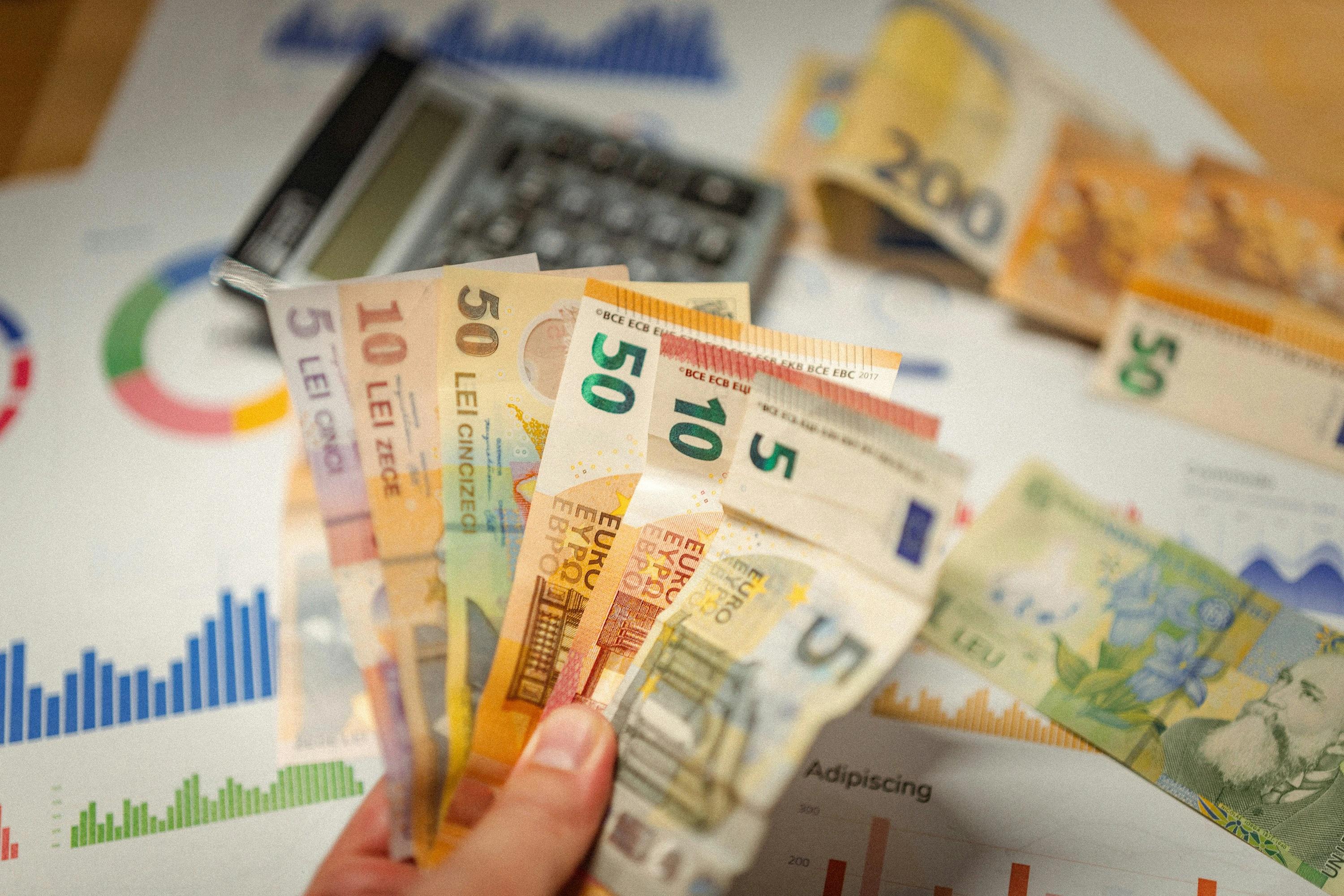
To understand the cost difference between Albania and the UK, it is important to look beyond the numbers and understand how private dentistry is structured in each country.
In the UK, implant dentistry operates almost entirely in the private sector, with high fixed costs and relatively low volumes of complex implant cases. These structural costs are passed directly to patients.
In Albania, private dental clinics serving international patients operate under a different model. Clinics are typically high-volume, specialise heavily in implant dentistry, and operate in a lower-cost economic environment. This allows them to charge less for the same clinical procedures without reducing treatment time or materials.
Another key factor is pricing transparency. UK clinics usually itemise implant treatment, meaning the advertised price is rarely the final price. Albanian clinics more commonly publish bundled prices that include surgery, prosthetics, diagnostics, and short-term follow-up care.
Typical private implant pricing comparison (2025)
| Treatment | UK private clinics | Albania clinics |
|---|---|---|
Single implant + crown | £2,400 - £3,000+ | £550 - £900 |
Two implants + bridge | £5,000 - £7,000+ | £1,200 - £2,000 |
All-on-4 (per arch) | £15,000 - £25,000 | £3,000 - £4,200 |
All-on-6 (per arch) | £18,000 - £30,000 | £3,800 - £5,050 |
Full mouth (upper + lower) | £30,000 - £60,000+ | £7,000 - £14,000 |
Dental implant costs in the UK. Why are they so high?

Dental implants are expensive in the UK, not because the treatment is inherently complex, but because the private dental system is expensive to operate.
Several factors push UK implant prices significantly higher:
- First, labour costs. Implant dentistry requires specialist clinicians, nurses, and support staff. UK wages, pensions, indemnity insurance, and professional fees are among the highest in Europe.
- Second, regulatory and compliance costs. UK clinics operate under strict regulatory frameworks, including CQC compliance, professional indemnity, and extensive administrative overhead. These costs are built into private pricing.
- Third, laboratory fees. Many UK clinics use specialist laboratories with high production costs, particularly for zirconia and full-arch prosthetics.
- Fourth, because the NHS only covers serious or urgent cases, many patients have to turn to private clinics, which increases demand. This has caused the private sector to raise the price of these dental treatments.
- Finally, low economies of scale. Full-arch implant cases are relatively rare in the UK. Clinics cannot spread costs across high volumes, so each case carries a higher individual price.
- The result is a system where patients often pay several times more for the same implant systems, materials, and clinical procedures.
References:
Dental implant costs in Albania. Why are they so low?
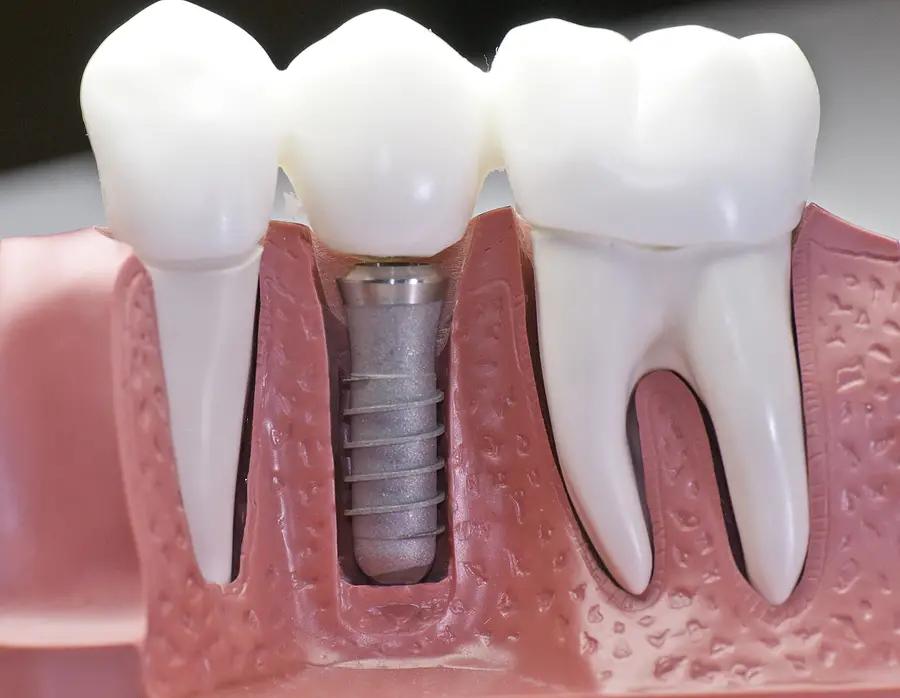
Albania’s lower implant prices are driven by economics, not by reduced standards.
Albania is a European country with a growing private healthcare sector, but its cost base is significantly lower than that of Western Europe. Dentist salaries, clinic rents, laboratory costs, and general operating expenses are all lower, allowing clinics to price treatments more competitively.
Many Albanian dental clinics that treat international patients are purpose-built implant centres. They focus heavily on complex cases such as All-on-4 and full-mouth rehabilitation, which improves efficiency and reduces per-patient costs.
Typical published prices (2025)
| Treatment | Price (EUR) | Approx price (GBP) |
|---|---|---|
Single implant + crown | €650 - €1,050 | £550 - £885 |
All-on-4 per arch | €3,500 - €5,000 | £2,950 - £4,210 |
All-on-6 per arch | €4,500 - €6,000 | £3,790 - £5,050 |
Full mouth | €8,500 - €16,500 | £7,000 - £14,000 |
Exchange rate used: 1 EUR = 0.8420 GBP (UK government reference, January 2025).
What is usually included in the price of Implants in Albania?
Albanian dental clinics typically publish package prices because international patients need cost clarity before travelling. These packages are designed to cover the core clinical journey.
In most cases, the price includes all essential clinical components required to complete the treatment safely and effectively. This approach reduces unexpected costs and allows patients to compare total treatment costs more easily.
Unlike many UK quotes, Albanian package prices usually reflect the actual expected treatment cost, not a starting point.
Included items commonly are:
- Implant placement
- Abutment and crown or bridge
- Local anaesthetic
- Diagnostics, often including CBCT
- Temporary teeth where required
- Short-term follow-up visits
What is often not included in the Price of Implants in Albania?
While treatment packages are comprehensive, some costs sit outside the clinical procedure itself.
Travel-related expenses are not included because they vary significantly depending on patient preferences and travel style. Clinics generally leave these choices to the patient.
Long-term aftercare beyond the stated warranty period is also usually excluded, as ongoing care is often managed locally once treatment is complete.
Items commonly not included are: Flights, Accommodation, Food and daily expenses, Travel insurance, Long-term maintenance beyond warranty terms.
Implant treatment types and costs explained
Dental implant treatment is not one-size-fits-all. Understanding the differences between treatment types helps explain why Albania becomes more attractive as complexity increases.
A single implant replaces one tooth and involves limited surgical and laboratory work. Savings exist, but they are smaller in absolute terms.
Full-arch and full-mouth treatments involve multiple implants, complex prosthetics, and extended clinical time. In the UK, these treatments are rare and expensive. In Albania, they are routine and priced accordingly.
Implant treatment types and costs
| Treatment | UK private cost | Albania total treatment cost |
|---|---|---|
Single implant | £2,400 - £3,000+ | £550 - £900 |
Multiple implants (2 to 4) | £5,000 - £10,000+ | £1,200 - £3,000 |
All-on-4 (per arch) | £15,000 - £25,000 | £3,000 - £4,200 |
All-on-6 (per arch) | £18,000 - £30,000 | £3,800 - £5,050 |
Full mouth | £30,000 - £60,000+ | £7,000 - £14,000 |
UK vs Albania vs Turkey vs Poland: price benchmarks
UK patients often compare Albania with other dental tourism destinations. The price differences are driven by economic conditions, healthcare structure, and geographic factors, not by treatment quality alone.
Turkey benefits from a large medical tourism industry but operates outside EU medical device regulation. Poland is within the EU but has higher labour and operating costs than Albania.
Albania combines lower costs with European proximity and EU-aligned regulation.
UK vs Albania vs Turkey vs Poland
| Treatment | UK | Albania | Turkey | Poland |
|---|---|---|---|---|
£2,400+ | £550 - £900 | £550+ | £900 - £1,500 | |
£15,000+ | £3,000 - £4,200 | £4,500+ | £5,500 - £9,000 | |
£18,000+ | £3,800 to £5,050 | £5,000+ | £7,000 - £12,000 |
Why are dental implants cheaper in Albania?

Dental implants are cheaper in Albania because the entire cost structure of healthcare is lower, not because clinics cut corners.
Dentist wages, clinic rents, and laboratory fees are substantially lower than in the UK. These savings are structural and permanent, not promotional.
In addition, Albanian implant clinics typically focus on high volumes of complex cases. This improves efficiency, reduces waste, and allows costs to be spread across many patients.
Unlike the UK, private dentistry in Albania does not subsidise an NHS system, and pricing is not inflated by insurance-driven models.
The result is a lower price for the same implant systems, materials, and clinical procedures.
Implant brands, CE marking, and documentation
Dental implants used in Albania must comply with EU Medical Device Regulation (EU) 2017/745, the same regulatory framework applied across Europe.
Reputable clinics use CE-marked implant systems and provide full documentation. Patients should request:
- Implant brand and model
- CE certification
- Prosthetic material details
- Implant passport or batch documentation
References:
Is dental implant treatment in Albania safe for UK patients?
Dental implant treatment in Albania can be safe for UK patients when clinics are carefully selected and aftercare is planned properly.
Safety depends on the same factors as in the UK: clinician training, infection control, and clinical protocols.
Many Albanian implant dentists train in Western Europe and work exclusively with international patients. Clinics serving dental tourists are typically equipped to international standards.
UK government guidance stresses the importance of insurance and contingency planning, not avoidance of overseas care.
References:
The two-trip reality: treatment timelines explained
Implant treatment almost always involves a healing time. Understanding this prevents unrealistic expectations. The healing period between visits is usually 3 to 6 months. Based on our experience with international patients, typical timelines are as follows:
| Treatment type | Number of trips | Notes |
|---|---|---|
2 | Surgery, then crown after healing | |
2 | Occasionally 3 if grafting is needed | |
2 | Temporary teeth first visit | |
2 | Rare third visit in complex cases | |
2-3 | Depends on bone condition |
Travel and accommodation costs: do savings still hold?
This is the point where many UK patients remain unconvinced. On paper, treatment in Albania is cheaper, but the concern is whether travel, accommodation, food, insurance, and repeat visits quietly erase the savings.
To answer that honestly, you have to look at the total journey cost, not just treatment fees. That means adding up every realistic expense you will incur from the moment you leave the UK until treatment is finished.
The reason savings usually still hold is simple: travel costs are finite and predictable, while the treatment price gap between the UK and Albania is structural and very large, especially for complex cases.
Flights to Albania from the UK are inexpensive because Tirana is well connected by low-cost airlines. Accommodation and daily living costs are materially lower than in the UK and most of Western Europe. These costs do not scale with treatment complexity, whereas UK implant prices do.
For example, whether you are having one implant or a full mouth rehabilitation, your flights and hotel cost roughly the same. In contrast, UK treatment prices increase dramatically as complexity rises.
Typical travel and living costs per trip
| Cost item | Typical cost |
|---|---|
Return flights (UK–Tirana) | £80 - £180 |
Accommodation (7 nights) | £280 - £560 |
Food and local transport | £150 - £250 |
Travel insurance | £20 - £60 |
For a standard two-trip implant journey, total travel and living costs typically fall between £800 and £1,500. Even at the upper end of that range, these costs are small compared with UK implant price differences for anything beyond a single tooth.
References:
Total cost comparison: UK vs Albania (all costs included)
The table below brings everything together. It shows realistic total costs for common implant treatments, including dental fees, travel, accommodation, food, and insurance, compared with typical UK private prices.
These figures assume: - Two trips for most implant treatments - Mid-range accommodation - Economy flights from the UK - Conservative travel and living cost estimates
UK vs Albania (all costs included)
| Treatment type | UK private price | Albania dental price | Travel & living costs | Total Albania cost | Estimated saving |
|---|---|---|---|---|---|
Single implant | £2,400 - £3,000 | £550 - £900 | £800 - £1,200 | £1,350 - £2,100 | 30 - 55% |
Multiple implants (2–4) | £5,000 - £10,000 | £1,200 - £3,000 | £900 - £1,300 | £2,100 - £4,300 | 55 - 70% |
£15,000 - £25,000 | £3,000 - £4,200 | £900 - £1,500 | £3,900 - £5,700 | 65 - 80% | |
£18,000 - £30,000 | £3,800 - £5,050 | £900 - £1,500 | £4,700 - £5,550 | 65 - 80% | |
£30,000 - £60,000+ | £7,000 - £14,000 | £1,200 - £2,000 | £8,200 - £16,000 | 60 - 75% |
Why this table matters?
This is the table most clinics do not show. It removes uncertainty by showing the worst-case realistic spend, not the best-case scenario.
For full-arch and full-mouth cases, the saving remains substantial even after every realistic cost is included.
The conclusion is not that Albania is always cheaper, but that it becomes dramatically cheaper as treatment complexity increases.
Aftercare, failure rates, and revisions
Dental implant success rates are high globally when proper protocols are followed. Published studies consistently report long-term success rates above 90 percent for well-planned cases.
The primary concern with overseas treatment is not failure rates, but how problems are handled if they occur.
Reputable Albanian clinics mitigate this by: - Using established implant systems with documented components - Providing written warranties - Offering corrective treatment if early failures occur
Patients should understand whether travel costs are covered in revision scenarios and how long warranties apply.
UK vs Albania decision checklist
This checklist exists to help you decide whether the trade-offs are acceptable for you personally. It is not about pushing treatment abroad, but about clarity.
| Decision factor | Albania | UK |
|---|---|---|
Total cost transparency | ✓ | ✗ |
Lower total spend | ✓ | ✗ |
Same implant systems | ✓ | ✓ |
Requires international travel | ✗ | ✓ |
Affordable for complex cases | ✓ | ✗ |
Predictable treatment timeline | ✓ | ✓ |
Final thoughts
“”Dental implants in Albania are cheaper because the underlying economics are different, not because quality is sacrificed.
When all costs are added, including flights, accommodation, food, and insurance, Albania remains substantially cheaper for implant treatments.
For complex procedures like full-arch or full-mouth treatments, the cost difference is often the key deciding factor.
The most important step is not choosing the cheapest option, but understanding the total treatment journey before committing.
Frequently Asked Questions
Everything you need to know about dental tourism in Albania
Are dental implants in Albania really 60–80% cheaper than in the UK?
Yes, for most private treatments this range is realistic. The percentage saving is calculated by comparing published UK private prices with prices we gather from our partner clinics in Albanian. The saving increases as treatment complexity increases, particularly for All-on-4, All-on-6, and full-mouth cases.
Are the implant brands used in Albania the same as in the UK?
Reputable Albanian clinics use CE-marked implant systems that comply with EU Medical Device Regulation. Many of these systems are also used in the UK. What matters is not the brand name alone, but proper documentation, implant passports, and prosthetic records.
How many trips are usually required for implant treatment in Albania?
Most implant treatments require two trips. The first visit is for implant placement and temporary teeth. After a healing period of three to six months, a second visit is needed for final crowns or bridges. Complex cases may occasionally require a third visit.
Will travel and accommodation cancel out the savings?
For most dental treatments, especially full-arch and full-mouth treatments, travel and accommodation costs are small compared with the treatment price difference, so total savings usually remain substantial.
What happens if something goes wrong after I return to the UK?
Patients should clarify warranty terms before treatment. Reputable clinics explain how early failures are handled and whether corrective treatment is covered.
References and further reading
- Cost of Dental Implants | Implants from £2400
- Dental Implants on the NHS | Bupa Dental Care
- Going abroad for dental treatment
- Regulation (EU) 2017/745 of the European Parliament and of the Council
- Dental Implant Cost UK 2025 | Prices & Guide – The Campbell Clinic
- price list - mediTUR | Deutsche Agentur für Medizintourismus in der Türkei
- Counting the Cost: How Rising Expenses Are Squeezing Dental Practices