Dentures Cost Comparison: UK vs Albania vs Poland vs Turkey (2026)
“Private full dentures are significantly cheaper abroad than in the UK, often costing 50–80% less depending on the country and denture type.” Losing all teeth in one or both jaws has a major impact on daily life, affecting not only chewing and speech but also facial appearance and self-confidence.

“Private full dentures are significantly cheaper abroad than in the UK, often costing 50–70% less depending on the country and denture type.”
Losing all teeth in one or both jaws has a major impact on daily life, affecting not only chewing and speech but also facial appearance and self-confidence. For many UK patients, full dentures remain the most realistic solution, yet private denture and implant-based treatments in the UK are often prohibitively expensive.
This cost gap has driven a growing number of patients to explore treatment abroad, particularly in countries such as Albania, Poland, and Turkey, where modern dentistry is available at significantly lower prices.
Sources:
TL;DR
Are full dentures cheaper abroad than in the UK?
Yes. Private full dentures are significantly cheaper abroad, typically 50–70% less than UK private prices, depending on denture type, materials, and country.
Typical private prices (per arch):
- UK: £500 – £1,500
- Albania: £200 – £600
- Poland: £240 – £500
- Turkey: £250 – £650
For implant-supported full dentures (e.g. All-on-4), savings are even greater, often exceeding 60–70%, even after travel costs.
The table below reflects conservative estimates, not best-case scenarios, and still shows meaningful savings.
Even with travel included, overseas treatment often remains cheaper.
| Country | Treatment | Travel & stay | Total | Saving vs UK |
|---|---|---|---|---|
UK | £500 – £1,500 | £0 | £500 – £1,500 | - |
Albania | £200 – £600 | £220 - £390 | £420 – £1,000 | Up to 70% |
Poland | £240 – £500 | £260 - £520 | £500 – £1,100 | Up to 65% |
Turkey | £250 – £650 | £350 - £700 | £600 – £1,350 | Up to 60% |
What Are Full Dentures?
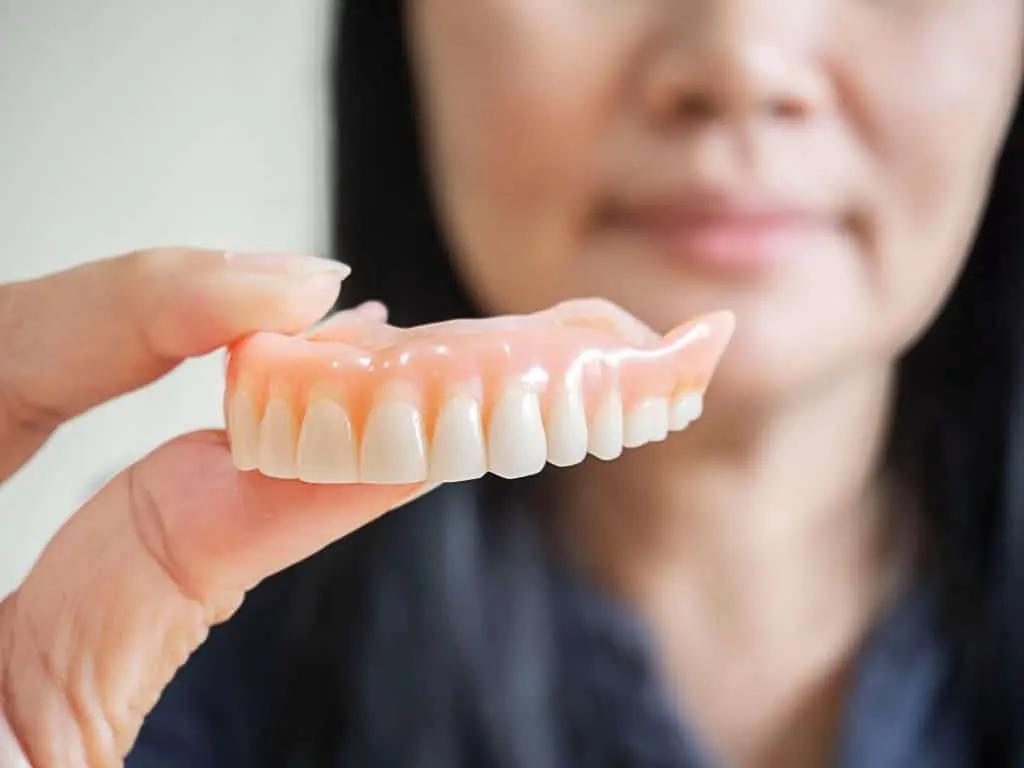
Full dentures are dental prostheses designed to replace all missing teeth in the upper jaw, lower jaw, or both. They restore basic oral functions such as chewing and speaking while also supporting facial muscles, helping prevent the sunken appearance that often follows tooth loss.
Traditional full dentures are removable appliances that sit on the gums and underlying bone. Upper dentures usually rely on suction against the palate, while lower dentures depend on muscle control and ridge shape, which is why lower dentures are often less stable. Modern dentistry has expanded these options to include implant-retained and implant-supported full dentures, which improve stability, comfort, and confidence.
Full dentures are often chosen when remaining teeth are no longer salvageable due to advanced decay, gum disease, or trauma. While they are more affordable than full-mouth implants, they still require careful planning, precise fabrication, and long-term maintenance to function well.
Sources:
Types of Full Dentures and Treatment Complexity
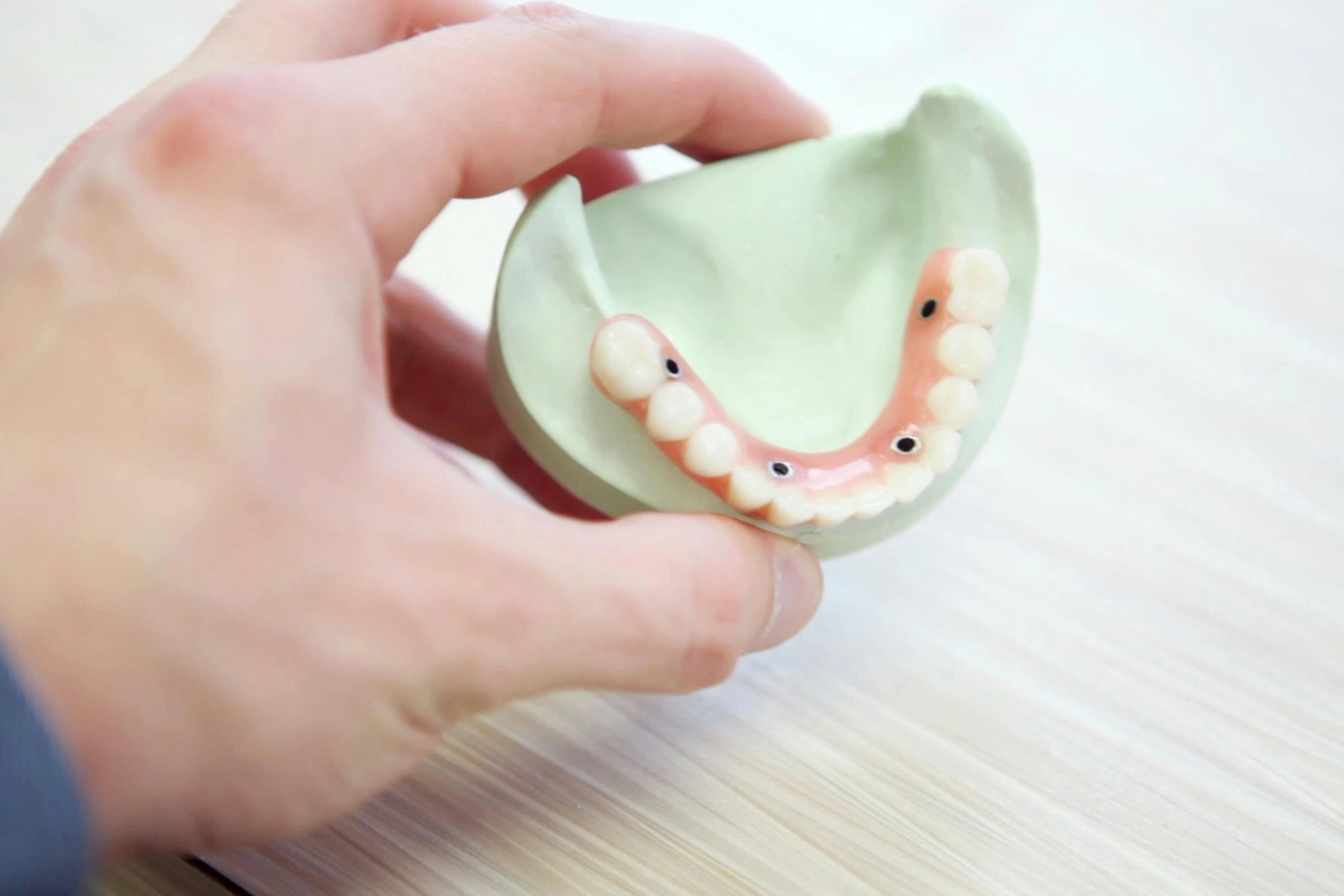
Full denture solutions range from simple removable plates to complex implant-supported restorations. The type chosen directly affects cost, durability, comfort, and suitability for overseas treatment.
Conventional Removable Full Dentures
These are acrylic dentures that rest directly on the gums. They are the least complex option and require no surgery. However, they may move during eating or speaking, particularly in the lower jaw, and often rely on denture adhesive.
Immediate Dentures
Immediate dentures are fitted immediately after teeth are extracted. They allow patients to avoid being without teeth during healing, but gum shrinkage almost always means the denture will need relining or replacement within a few months.
Implant-Retained Overdentures
These removable dentures clip onto 2–4 implants, greatly improving stability while remaining removable for cleaning. They are a common compromise between cost and function.
Implant-Supported Fixed Dentures (All-on-4 / All-on-6)
A full arch of teeth is permanently fixed to 4–6 implants. This option offers the closest feel to natural teeth but involves surgery, staged treatment, and higher costs.
For UK patients travelling abroad, removable full dentures and All-on-4 treatments are the most common and predictable options.
Sources:
Let’s Talk About Your Smile - Free Consultation
Trusted by thousands of international patients in Albania

Full Denture Costs in the UK
Private full denture treatment in the UK is among the most expensive in Europe, particularly when treatment is provided outside the NHS.
| Treatment type | Typical private price |
|---|---|
Basic acrylic full denture | £500 – £1,500 |
Premium or bespoke full denture | £1,500 – £2,500+ |
Implant-retained overdenture | £4,000 – £7,000 |
All-on-4 fixed full denture | £12,000 – £20,000 |
Typical private UK prices (per arch):
- Basic acrylic full denture: £500 – £1,500
- Premium or bespoke dentures: £1,500 – £2,500+
- Implant-retained overdentures: £4,000 – £7,000
- All-on-4 fixed dentures: £12,000 – £20,000
Where available, NHS full dentures fall under Band 3 treatment (£326.70 in England).
However, NHS dentures are limited in availability, material choice, appointment time, and aesthetic customisation, and many patients face long waiting times.
Why are dentures more expensive in the UK?

The high cost of private denture treatment in the UK is driven primarily by structural and regulatory factors, rather than the use of superior materials.
Key cost drivers include:
- High staff wages for dentists, nurses, and dental technicians: UK dental professionals command some of the highest salaries in Europe, and these labour costs are directly reflected in private treatment fees.
- Expensive UK laboratory fees and outsourcing costs: Dental laboratories in the UK operate with high wage, rent, and compliance costs, making dentures and prosthetics significantly more expensive to manufacture locally.
- Stricter regulatory compliance and documentation requirements:UK practices must meet extensive regulatory standards set by bodies such as the CQC and GDC, which increases administrative time, staffing needs, and operating expenses.
- High professional indemnity insurance premiums: UK dentists pay substantial indemnity fees to protect against litigation and regulatory action, costs that are ultimately passed on to patients.
- High rent, utilities, and business rates for dental practices: Commercial property costs, especially in urban areas, alongside rising energy and utility bills, significantly increase the baseline cost of running a practice.
As a result, UK patients often pay significantly more for the same core materials and clinical techniques that are used internationally.
Sources:
Full Denture Costs in Albania
Albania offers some of the lowest full denture prices in Europe, largely due to structural economic factors rather than reduced clinical standards or inferior materials.
Typical prices (per arch):
- Removable full denture: £200 – £600
- Implant-retained overdenture: £1,200 – £2,500
- All-on-4 fixed denture: £3,000 – £5,000
Why are dentures cheaper in Albania?
Lower prices in Albania reflect fundamental differences in operating costs and healthcare economics, not lower-quality dentistry.
Key factors include:
- Significantly lower wages for dentists, nurses, and dental technicians compared with the UK
- Lower clinic overheads, including rent, utilities, and business taxation
- Lower laboratory and technician costs, even when using the same imported materials
- High patient volumes driven by dental tourism, allowing clinics to operate efficiently at scale
- Reduced administrative and indemnity costs compared with UK private dentistry
Does “cheap” compromise quality?
Importantly, cheaper does not mean lower quality. Reputable Albanian clinics use EU-certified, CE-marked materials, modern digital workflows (CAD/CAM, 3D imaging), and internationally recognised implant systems. Many dentists are trained in Italy or other EU countries and routinely treat international patients.
For UK patients, this means access to the same core materials and techniques used in Western Europe, delivered at lower prices due to Albania’s lower cost base.
Many clinics also bundle accommodation, imaging, consultations, and transfers into a single package, creating clearer and more predictable total costs.
Sources:
Full Denture Costs in Poland
Poland typically sits between the UK and Albania in pricing, reflecting its position as an established EU dental market with lower labour costs than Western Europe, but higher operating costs than newer dental tourism destinations.
Typical prices (per arch):
- Removable full denture: £240 – £500
- Implant-retained overdenture: £1,500 – £3,000
- All-on-4 fixed denture: £4,500 – £6,500
Why do denture prices in Poland sit in the middle?
Key drivers:
- EU market with higher costs than Albania Poland operates fully under EU medical device and healthcare regulations, which increases compliance and administrative costs compared with Albania.
- Higher wages and clinic overheads than Albania Dentist, nurse, and technician wages in Poland are higher than in Albania, and practice rents and operating expenses are closer to Western European levels.
- Still a large labour and overhead gap versus the UKDespite higher costs than Albania, Polish wages, laboratory fees, and clinic overheads remain significantly lower than in the UK, allowing prices to stay well below UK private dentistry.
For UK patients, Poland appeals to those who want EU-level regulation and predictable standards, while still achieving meaningful cost savings compared with private treatment at home.
Sources:
Full Denture Costs in Turkey
Turkey is known for very low headline denture prices, but costs can vary more widely than in Albania or Poland.
Typical prices (per arch):
- Removable full denture: £250 – £650
- Implant-retained overdenture: £2,000 – £3,500
- All-on-4 fixed denture: £3,000 – £5,000
Many clinics advertise package pricing, which may include accommodation, airport transfers, and imaging.
Why are denture prices in Turkey low - but variable?
Key drivers:
- Tourism-focused packagesSome clinics bundle hotels and transfers into treatment pricing, making headline prices appear very competitive.
- Aggressive competition and high patient volumesLarge numbers of clinics compete for international patients, reducing per-arch prices.
- Currency effects A weak local currency lowers prices when converted to GBP.
- Wider quality variation: Turkey has both excellent clinics and very low-cost providers, so clinic selection matters more than price alone.
- Regulatory differencesTurkey operates outside the EU regulatory framework, meaning patients should verify materials, implant brands, and clinician credentials carefully.
Turkey operates outside the EU regulatory framework, meaning patients should verify materials, implant brands, and clinician credentials carefully.
Sources:
Like-for-like cost comparison (dentures)

A meaningful comparison requires comparing the same denture type, materials, and treatment scope. Below is a conservative like-for-like comparison for a removable full denture per arch, excluding implants.
Savings are driven by structural cost differences rather than reduced material quality.
| Country | Typical clinic price | Saving vs UK |
|---|---|---|
UK (private) | £500 – £1,500 | - |
Albania | £200 – £600 | 50–70% |
Poland | £240 – £500 | 40–60% |
Turkey | £250 – £650 | 35–60% |
Treatment Timelines and Travel Suitability
Treatment timelines are an important practical consideration when planning denture treatment abroad.
Removable full dentures
- Usually completed in one visit lasting 5–10 days
- Appointments typically include consultation, impressions, try-in, final fitting, and minor adjustments
- Well suited to overseas treatment due to predictable timelines and no surgical healing phase
Implant-supported dentures
- Usually require two visits
- Visits are separated by a 3–6 month healing period for implant integration
- First visit focuses on implant placement and temporary teeth; second visit fits the final denture or bridge
Patients should consider time off work, comfort with travel, and the ability to return for follow-up if required. Clinics experienced with international patients usually schedule treatment efficiently to minimise time away while allowing sufficient margin for adjustments.
Total cost comparison (treatment + travel)
When considering dental treatment abroad, it’s important to look at total cost, not just the clinic price. A realistic comparison includes:
- Dental treatment
- Flights
- Accommodation during treatment
- Food, local transport, and travel insurance
These travel-related costs are largely fixed, regardless of whether treatment costs £700 or £1,500. In contrast, UK private dental pricing increases sharply with treatment size and complexity.
This is why, even after travel and accommodation are included, treatment abroad often remains substantially cheaper than UK private care. The saving comes from structural cost differences, not from cutting corners.
The table below reflects conservative estimates, not best-case scenarios, and still shows meaningful savings.
Even with travel included, overseas treatment often remains cheaper.
Total cost comparison
| Country | Treatment | Travel & Stay | Total | Saving vs UK |
|---|---|---|---|---|
UK | £500 – £1,500 | £0 | £500 – £1,500 | — |
Albania | £200 – £600 | £500–£800 | £700 – £1,400 | 20–50% |
Poland | £240 – £500 | £500–£800 | £740 – £1,300 | 15–45% |
Turkey | £250 – £650 | £500–£800 | £750 – £1,450 | 10–40% |
Decision-Making Checklist
Travelling abroad for dental treatment is not about chasing the lowest headline price. It’s about balancing cost, complexity, risk, and practicality.
Before choosing treatment abroad, consider:
- Is the cost saving significant after travel?
- Is the treatment suitable for one or two visits?
- Are materials and implant brands clearly specified?
- Is aftercare available in the UK?
- Are timelines realistic and conservative?
The checklist below is designed to help you assess suitability calmly and realistically. If most boxes align with your situation, travelling abroad is often a reasonable and safe decision.
What matters most is choosing the right type of treatment for travel and a clinic that plans conservatively and communicates clearly, not simply choosing the cheapest option.
| Factor | UK | Albania | Poland | Turkey |
|---|---|---|---|---|
Cost | High | Low | Medium | Lowest |
Regulation | UK | EU-aligned | EU | Non-EU |
One-trip suitability (removable dentures) | Yes | Yes | Yes | Yes |
Aftercare access | Excellent | Excellent | Good | Variable |
Risk (removable dentures) | Low | Low | Low | Medium |
Risk (implant-supported dentures) | Medium | Medium | Medium | Higher |
Aftercare, Maintenance, and Long-Term Considerations
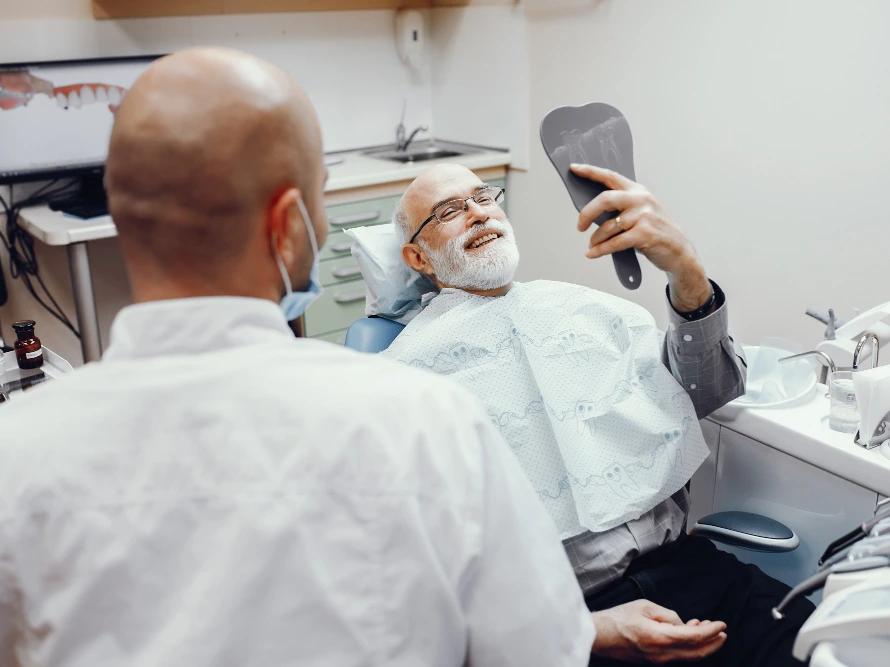
After returning to the UK, ongoing maintenance is the patient’s responsibility, just as it would be for privately placed UK dentures.
UK dentists can provide:
- Denture adjustments and relines
- Implant hygiene care
- Repairs and bite corrections
Who is responsible for maintenance?
Once treatment is completed, routine maintenance becomes the patient’s responsibility. This includes regular dental check-ups, hygiene visits, and monitoring fit and comfort over time. These responsibilities are the same regardless of whether dentures were placed in the UK or abroad.
Will a UK dentist treat dentures done abroad?
Yes. UK dentists cannot refuse care solely because dentures were provided overseas. They can assess fit, adjust the bite, reline dentures, and carry out repairs as needed. What they typically will not do is honour warranties issued by overseas clinics.
What happens if something goes wrong?
Most issues that arise after denture treatment are minor and manageable, such as small fit adjustments, pressure points, or bite corrections. These can usually be addressed by a UK dentist on a private basis.
If a problem occurs shortly after treatment, reputable overseas clinics will often provide remote advice and, where appropriate, offer corrective treatment. More serious issues are uncommon when treatment is properly planned, but any long-term repairs or replacements are handled in the same way as UK private dentistry, regardless of where the dentures were originally made.
Do I stay in touch with the dentist abroad?
Reputable overseas clinics usually provide post-treatment contact via email or messaging services for advice and guidance. This support is typically included in the treatment cost, although return travel for follow-up visits is not. In practice, most patients manage long-term care locally in the UK.
Sources:
Frequently Asked Questions
Is it safe to get full dentures abroad?
Yes, when reputable clinics are chosen and treatment is properly planned. Most risks associated with treatment abroad relate to poor diagnosis, unrealistic timelines, or lack of clear aftercare arrangements, rather than the country itself. Clinics that routinely treat international patients, provide written treatment plans, and allow sufficient time for adjustments generally offer outcomes comparable to private UK care.
How many trips are needed?
This depends on the type of denture. Removable full dentures are usually completed in a single visit lasting 5–10 days. Implant-supported dentures typically require two visits, separated by a healing period of 3–6 months, to allow implants to integrate properly before the final denture or bridge is fitted.
Are materials lower quality abroad?
No. Reputable clinics abroad commonly use the same CE-marked or internationally recognised materials as UK practices, including medical-grade acrylics, titanium implants, and zirconia or porcelain restorations. The difference in price is driven by labour, laboratory, and overhead costs rather than inferior materials.
Will UK dentists provide aftercare?
Yes. UK dentists can examine, adjust, reline, and repair dentures placed abroad in the same way they would treat UK-made dentures. What they usually will not do is honour warranties provided by overseas clinics. Routine maintenance and any future repairs are handled privately in the UK.
Final Thoughts
Full dentures are significantly more expensive in the UK than in many European countries. For private patients, travelling abroad can make both removable and implant-supported dentures accessible without compromising material standards.
Among the countries compared, Albania often offers the strongest balance of cost and predictability, Poland provides EU-based reassurance with moderate savings, and Turkey delivers very low prices with greater variability. The right choice depends on budget, risk tolerance, and the complexity of treatment.
Let’s Talk About Your Smile - Free Consultation
Trusted by thousands of international patients in Albania
Sources and further reading
- Dentures Treatment & Cost | Bupa Dental Care UK
- How much NHS dental treatment costs
- Dental Tourism Albania | Dentures
- Dental Implants in Poland | Quality Dentistry with 60-70% Savings!
- Dentist Salary in Poland | SalaryExpert
- Dentist Salary in Turkey (2026) - ERI SalaryExpert
- The future of health systems | OECD
- All-on-4 Dental Implants Cost UK: Complete Price Breakdown for 2026
- Going abroad for dental treatment
- Answering your questions on dental tourism
Author

Dr. Aida Zhupani
Dr. Aida Zhupani completed her studies at the Faculty of Medical Sciences, Department of Somatology. As the founder of Zeus Dental Clinic, she is dedicated to providing professional, compassionate, and high-quality dental care. With a patient-centered approach and years of experience, Dr. Zhupani focuses on helping people feel comfortable and confident in their smiles. Her passion for dentistry and commitment to continuous learning inspire the insights she shares through this blog.