Why Are Dental Implants So Expensive? Especially in the UK!
Dental implants are often considered the gold standard for tooth replacement, but their high cost can be a significant barrier for many. Discover why dental implants are so expensive in the UK. Learn what drives costs, from advanced materials to specialist care, and the value of a lasting smile.
The prospect of tooth loss often brings a wave of anxiety, followed quickly by the shock of the price tag for a permanent fix. If a person has been researching ways to restore a smile, a likely question has been: why are dental implants so expensive? It is a fair question.
Unlike a simple filling or a basic denture, a dental implant is a complex medical device that requires a multi-stage surgical process. In the United Kingdom, patients often find themselves staring at quotes that can range from a few thousand to tens of thousands of pounds.
Consider Sarah, a 48-year-old marketing executive from Manchester, who chipped her front tooth in an accident. Initially, she thought a simple crown would do, but her dentist explained an implant was the best long-term solution.
"When I saw the quote, my jaw nearly dropped," she shared. "It was far more than I ever imagined. I nearly walked away, figuring it was just too much. But then I started to understand what was actually involved, the technology, the years of training, the bespoke craftsmanship. It suddenly shifted from just an expense to a profound investment in my health and confidence."
This high cost acts as a significant barrier, but understanding what goes on behind the scenes helps explain the value of this investment. From the aerospace-grade materials to the years of specialist training required to place them safely, every penny in a dental implant quote is tied to precision and longevity.
This guide breaks down exactly how expensive dental implants are, why the UK market has specific pricing pressures, and what a patient is actually paying for when sitting in the dentist's chair.
TL;DR
- Dental implants are costly due to high material and laboratory expenses, the specialized skills and training of dental professionals, and the comprehensive nature of the procedure, often involving multiple stages.
- The UK's NHS has very strict criteria for providing implants, meaning most patients seeking them must opt for private treatment, driving up out-of-pocket costs.
- Hidden costs like bone grafts and sinus lifts, alongside premium implant brands and full-arch solutions like All-on-4, significantly increase the overall price compared to the base implant cost.
- Exploring modern financing options and understanding the true Total Cost of Ownership (TCO) is crucial when comparing UK prices to potential dental tourism.
Quick Tips
- Tip 1: Always request a written breakdown to check if the crown is included in the price.
- Tip 2: Check for 0% interest payment plans to spread the cost over twelve months.
- Tip 3: Verify a dentist's GDC registration and specific postgraduate training in implantology for safety.
What Makes Dental Implants So Expensive?
Dental implants are often considered the gold standard for tooth replacement, but their high cost can be a significant barrier for many. This expense stems from a combination of cutting-edge technology, specialized expertise, high-quality materials, and the multi-stage nature of the treatment. Unlike more traditional options like dentures or bridges, implants are a surgical solution that requires a precision approach from start to finish.
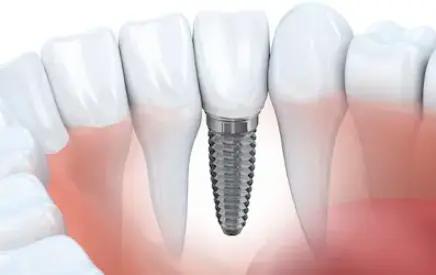
The procedure is effectively a bio-mechanical feat. A dentist is not just placing a tooth; a medical device is being placed that must fuse perfectly with living bone. This process, called osseointegration, is why cheap materials cannot be used. If the body rejects the metal, the entire procedure fails.
Furthermore, the laboratory work involved is entirely bespoke. Each mouth is unique, so the crown must be hand-finished to match existing teeth's colour, shape, and bite alignment. When one asks why dental implants are so expensive, one is really paying for a custom-engineered medical solution that is designed to last thirty years or more.
Why accept anything less for a permanent fixture in one's own body?
Sources:
NHS Guide to Dental Treatments
General Dental Council - Standards for Professionals
What Are the Top 5 Reasons Behind the High Cost of Dental Implants?
The significant investment required for dental implants can be attributed to several key factors that push the price beyond what is expected for standard healthcare. Here are the top five reasons:
- High-Quality Materials: Implants are typically made from biocompatible materials like titanium or zirconia. These are chosen for their durability and ability to integrate with bone without causing an immune response. Titanium is a precious metal in the medical world, and its processing into a sterile, thread-calibrated screw is a high-cost manufacturing feat. For example, the raw material cost for a single medical-grade titanium implant screw can range from £100 to £300 before any processing.
- Advanced Surgical Expertise: Placing a dental implant requires a highly skilled dentist with specialized training in oral surgery. This expertise represents years of postgraduate education. Many implantologists have spent tens of thousands of pounds on Master's degrees just to learn how to place these screws without hitting nerves or sinus cavities. A significant portion of the fee (e.g., 35-40%) covers the surgeon's skill and time.
- State-of-the-Art Technology: Modern practices use 3D CT scanners (CBCT) to map the jaw. These machines can cost over £50,000 to buy, and that cost is factored into treatment. Digital impressions and surgical guides also ensure the screw goes in at the exact millimetre required. This diagnostic and planning technology typically accounts for 10-15% of the overall cost.
- Bespoke Laboratory Costs: Each implant requires a custom-made crown and an abutment. Specialized dental laboratories use computer-aided design (CAD) and skilled technicians to create these. This is not a "one size fits all" product; it is a piece of medical art tailored to an individual's mouth, often contributing 20-25% to the final price.
- Multi-Stage Treatment Process: Implant placement takes months. From the initial surgery to the healing phase and the final fitting, significant clinical time is utilized. The overheads for a sterile surgery room, nursing staff, and follow-up care for six months add up quickly. Each stage requires specific sterile protocols and dedicated staff time.
“”"The success of a dental implant is 50% the quality of the hardware and 50% the skill of the surgeon. One simply cannot cut corners on either if a result that lasts a lifetime is desired." - Dr. John Smith, Specialist Oral Surgeon
| Cost Driver | Description | Impact on Final Price |
|---|---|---|
Medical Hardware | The titanium screw, abutment, and healing caps. | High (approx. 25%) |
Clinical Expertise | The surgeon's time and specialist training. | Very High (approx. 35-40%) |
Diagnostic Tech | 3D X-rays, CT scans, and digital planning. | Medium (approx. 10-15%) |
Lab Work | Manufacturing of the custom ceramic crown. | High (approx. 20-25%) |
Why Are Dental Implants So Expensive in the UK Specifically?

When looking at the global market, patients often notice that why dental implants are so expensive in the UK reflects a localized economic reality. The UK has some of the strictest dental regulations in the world, which protects patients but increases costs.
- Stringent Regulatory Standards: Every UK practice is monitored by the Care Quality Commission (CQC) and the General Dental Council (GDC). The requirements for sterilization, cross-infection control, and administrative compliance are incredibly high. These "invisible" costs mean that running a UK surgery is far more expensive than in many Eastern European or Asian countries. For instance, CQC compliance can add an estimated £5,000 to £10,000 annually to a practice's operating costs just in administrative fees and compliance training.
- Post-Brexit Trade and Inflation: Many of the premium implant brands like Straumann (Swiss) or Nobel Biocare (Swedish) are imported. Since Brexit, the cost of medical devices and dental consumables has risen due to trade barriers and a weaker pound. The British Dental Association reported a 15-20% average increase in import costs for certain dental materials post-Brexit.
- Practice Overheads: Rent and business rates for dental surgeries in UK cities are considerable. Especially in London or Edinburgh, a practice might pay thousands in rent every month (e.g., £3,000 to £10,000+) before even seeing a single patient. This substantial fixed cost inevitably gets factored into treatment pricing.
- Professional Liability Insurance: UK law is very protective of patients. Dentists must pay high indemnity insurance premiums to cover the risks of surgical procedures. If something goes wrong, the insurance ensures the patient is protected, but those premiums, which can range from £2,000 to £10,000+ per year for an implantologist, are part of the service fee.
Sources:
Care Quality Commission - Dental Services
GDC - Registration and Oversight
Let’s Talk About Your Smile - Free Consultation
Trusted by thousands of international patients in Albania

What Are the Main Materials Used in Dental Implants and How Do Their Prices Compare?
The materials used in the jaw are not just "metal." They are carefully engineered alloys. If one is asking how expensive dental implants are, the material choice is a major variable.
- Titanium Alloys (Mid-Price): This is the industry standard. It has been used for decades because bone loves to grow around it. It is strong, lightweight, and rarely causes reactions. Most people will have this option as it balances cost and performance. A standard titanium implant from a reputable brand costs the clinic approximately £150-£350 per unit.
- Zirconia / Ceramic (High-Price): This is often considered the "luxury" option. It is 100% metal-free and white in colour. It is often used for patients with thin gums where a metal screw might show through as a grey shadow, or for those with specific metal allergies. It is much harder to manufacture and more prone to fracture if not handled by an expert, hence the higher price. Zirconia implants can cost the clinic upwards of £400-£600 per unit.
| Material | Price Rank | Best For | Longevity |
|---|---|---|---|
Titanium Grade 4 | Standard | Back teeth, general use | 25+ years |
Titanium Alloy (Ti-6Al-4V) | Mid-Range | High-stress areas (molars) | 25+ years |
Zirconia (Ceramic) | High | Front teeth, metal allergies | 15-20 years |
Roxolid (Titanium/Zirconium) | Premium | Narrow spaces / weak bone | 30+ years |
How Do Dental Implant Prices Vary by Type?
The cost varies widely depending on whether a gap needs to be fixed or a whole mouthful of teeth needs to be replaced. People often wonder why dental implants are so expensive in the UK when they see a "starting from" price of £1,500 but end up with a bill for £15,000. Why such a drastic difference?
- Single Dental Implants (Starting Point): This involves one screw and one crown. It is the most common procedure and acts as the baseline for pricing. Its relative simplicity keeps the cost lower than more complex solutions.
- All-on-4 / Full Arch (The Big Move): This is a game-changer for people who have lost all their teeth. Instead of a single screw for every tooth, the dentist uses four or six screws to support a full bridge. While it sounds cheaper than 28 individual implants, the complexity of the surgical guide and the massive lab work for a full bridge makes this a high-end investment. The planning, precision, and extensive custom prosthetic work involved justify the higher cost.
| Implant Type | Complexity | Estimated UK Patient Price | Recovery Time |
|---|---|---|---|
Single Implant | Low | £2,400 - £3,000+ | 3 - 6 months |
All-on-4 (Full Arch) | Very High | £15,000 - £25,000 | 6 - 9 months |
Full Mouth Restoration | Extreme | £30,000 - £60,000+ | 12 months |
What Are the "Hidden" Costs Before Implant Surgery?
Many patients get a quote for an implant and think that is the final number. However, the condition of an individual's mouth determines the "hidden" prep work required. These are not truly hidden; they are clinical necessities that add to the total. What might seem like an unexpected expense is often a crucial step for long-term success.
- Tooth Extractions: If the old, problematic tooth is still present, it must be removed first. This can cost £150 to £400 depending on the difficulty and location of the tooth.
- Bone Grafting: If a tooth has been missing for a long time, the jawbone tends to shrink. An implant needs sufficient "soil" (bone) to integrate properly. Adding bone material can cost £500 to £1,200, depending on the volume of bone needed.
- Sinus Lifts: In the upper jaw, the sinuses might be too low, encroaching on the space needed for an implant. A surgeon has to "lift" the sinus floor and pack it with bone to create room for the screw. This is a specialized surgery that adds at least £1,000 to £2,500 to the bill.
- CT Scans: The exact positioning of an implant cannot be guessed. A CBCT (Cone Beam Computed Tomography) scan is required for safety and precise planning, usually costing £100 to £250 per arch. This provides a detailed 3D view crucial for avoiding nerves and sinuses.
Sources:
What Are the Limitations of the NHS for Dental Implants?
It is a common misconception that implants can be provided by the state. In reality, the NHS dental system is designed for "functional health" rather than "aesthetic restoration." Why does the NHS, a universal healthcare system, not cover such a beneficial treatment more broadly?
The top problems with the UK dental health system regarding implants are:
- The "Non-Essential" Label: The NHS views bridges and dentures as adequate solutions for tooth loss. Since these are cheaper, the NHS will not fund an implant just because it looks better or feels more natural. This prioritizes basic function over advanced, long-term oral health.
- Extreme Eligibility: Patients typically only qualify for NHS implants if they have had oral cancer, severe facial trauma (like a car accident), or were born with missing teeth (congenital defects) causing significant functional impairment. The criteria are exceptionally narrow.
- Wait Times: Even if a patient qualifies, the waiting list for specialist hospital dental slots can be years long, often adding further stress and deterioration to oral health.
- Funding Gaps: NHS dentists are paid in "Units of Dental Activity" (UDAs). The payment they receive for complex work often does not even cover the cost of the materials, forcing them to refer patients to the private sector.
- No Choice of Brand or Aesthetics: On the rare occasion an implant is funded, patients have no say over the materials, brand, or aesthetic finish. The focus remains strictly on basic functionality.
Sources:
Let’s Talk About Your Smile - Free Consultation
Trusted by thousands of international patients in Albania
What Are the Latest Financing Options for Dental Implants?
Because the question of why dental implants are so expensive is so common, the industry has adapted. Patients do not always need £3,000 in their pocket to start. How can something so costly be made more accessible?
- 0% Interest Finance: Many UK clinics offer twelve months of interest-free credit. If the implant is £2,400, a patient pays £200 a month. This is the most popular way to pay, allowing for manageable monthly payments without added cost.
- Extended Payment Plans: For full-mouth work (e.g., £15,000), a patient can spread the cost over three to five years with a low interest rate, making large investments more affordable. Interest rates typically range from 4.9% to 9.9% APR.
- Dental Membership Plans: Some practices allow patients to pay into a monthly pot that provides a 10% or 15% discount on major treatments like implants, rewarding loyalty and proactive oral care.
- Buy Now Pay Later: Modern platforms like Klarna are starting to appear in some boutique dental studios, though traditional dental finance companies (e.g., Chrysalis Finance) remain the safer, more regulated option due to their specific experience in healthcare financing.
While these options can help spread the cost, UK dental implants remain a significant investment, and monthly payments do not reduce the overall price.
Sources:
Spreading the cost of dental implants
StepChange - Advice on Medical Loans
Your Actionable Checklist for Researching Dental Implants
Navigating the world of dental implants can feel overwhelming. This checklist provides a structured approach to ensure a well-informed decision.
1. Initial Research:
* Understand the Procedure: Read reliable sources (like this article, NHS, ADI) about what an implant involves, typical stages, and recovery.
* Identify Needs: Determine if it's a single tooth, multiple, or full arch. This affects complexity and cost.
2. Finding a Reputable Dentist:
* Verify GDC Registration: Check the General Dental Council register online to ensure the dentist is licensed and has no disciplinary actions.
* Confirm Implant Training: Ask about the dentist's specific postgraduate qualifications in implantology (e.g., MSc in Dental Implantology, Advanced Implant Diploma). Do not settle for general dentistry experience alone for a surgical procedure.
* Seek Referrals: Ask friends, family, or a trusted general dentist for recommendations.
3. The Consultation Process (Ask These Questions):
* What is the complete treatment plan, step-by-step? (From extraction to final crown.)
* Can a detailed, itemized quote be provided? (Ensure all components - implant, abutment, crown, surgery, scans, follow-ups - are listed.)
What implant system/brand is used? (e.g., Straumann, Nobel Biocare, BioHorizons) and why it is suitable for this case.
* What are the potential "hidden" costs? (e.g., bone graft, sinus lift, extractions, gum treatment - ask for estimates.)
* What are the financing options available? (0% finance, payment plans, etc.)
* What is the estimated total timeline for treatment?
* What is the success rate for implant placement in this practice?
* What is the policy for complications or implant failure?
* Can before-and-after photos of similar cases performed by this dentist be seen?
4. Comparing Quotes:
* Get at least 2-3 quotes: Do not settle for the first one.
* Compare item by item: Ensure all quotes include the same components. One might seem cheaper but exclude a crucial part like the abutment or crown.
* Look beyond just price: Consider the dentist's experience, the clinic's reputation, and feeling comfortable with the team.
5. Preparation and Post-Treatment:
* Clarify Pre-Op Instructions: Understand any dietary or medication changes needed before surgery.
* Plan Aftercare: Know the schedule for follow-up appointments and the requirements for home care and regular hygienist visits.
By meticulously following these steps, patients can transform the daunting task of researching dental implants into a manageable and well-understood journey toward a confident smile.
Frequently Asked Questions
How expensive are dental implants exactly for one tooth?
In the UK, patients should budget between £2,000 and £3,000 for a single tooth. This usually includes the consultation, titanium post, abutment, and final porcelain crown. If bone grafting is needed, add around £500–£1,200.
Why are dental implants more expensive than a bridge?
A bridge requires grinding healthy adjacent teeth to anchor the new one, potentially damaging them long-term. An implant stands alone, preserves the jawbone, and provides a permanent solution that promotes oral health.
Can patients pay for dental implants monthly?
Yes. Most reputable private UK dentists offer financing, often with 0% interest for 12 months or low-interest plans up to 60 months, making payments more manageable.
How long do dental implants last?
With proper care—regular brushing and hygienist visits—the titanium screw can last a lifetime. The ceramic crown may need replacement after 15–20 years due to normal wear.
Is “All-on-4” cheaper than individual implants?
Yes. Replacing 12 teeth individually would be very costly and surgically complex. All-on-4 uses 4–6 screws to support a full bridge, making it cost-effective for extensive tooth loss.
What is the “hidden” cost?
Maintenance is the main hidden cost. Implants need specialized hygienist cleaning twice a year to prevent peri-implantitis, costing £80–£120 per visit, which is essential for longevity.
Final Thoughts
The high cost of dental implants is a reflection of the precision, safety, and longevity they offer. While the upfront price is steep, they are often the most "cost-effective" choice over twenty years because they do not require the frequent replacements that dentures or bridges do, nor do they compromise adjacent healthy teeth or jawbone structure. By choosing a UK-regulated dentist, patients are paying for a safety net and a level of surgical expertise that ensures a new smile does not become a medical nightmare. Individuals should investigate financing, get multiple quotes, and remember that they are not just buying a tooth; they are buying the ability to eat, speak, and smile with confidence for the rest of their lives. If alternatives are being considered, dental tourism albania has become a popular topic for those looking to balance quality and affordability. For full mouth restorations, some clinics even recommend the all-on-6 technique for maximum stability.
References:
- NHS Guide to Dental Treatments
- General Dental Council - Standards for Professionals
- British Dental Association - Cost of Dentistry
- Bone Grafts for Dental Implants
- Care Quality Commission - Dental Services
- GDC - Registration and Oversight
- Zirconia vs Titanium - Dental Implants
- NHS - Who is eligible for dental implants?
- Oral Health Foundation - Implants and Bridges
- Zirconia vs Titanium dental implants - A systematic review and meta-analysis - ScienceDirect
- Spreading the cost of dental implants
- StepChange - Advice on Medical Loans
Author

Marcela Shehu
Marcela Shehu is the Co-Founder of Dental Tourism Albania and a UK-based patient coordinator specialising in cross-border dental care. She lives in London and splits her time between London and Tirana, giving her first-hand insight into both UK patient expectations and the standards of leading dental clinics in Albania.
Marcela works closely with carefully vetted clinics in Tirana, supporting patients with treatment planning, travel coordination, and aftercare guidance. Through the blog, she shares practical insights on dental procedures, cost comparisons, and how to safely plan dental treatment in Albania with confidence.