An Expert Guide to Albania's Mountains
Discover Albania’s breathtaking mountain landscapes, from the dramatic Albanian Alps and the iconic Theth-Valbona trail to the sacred peaks of Mount Tomorr and the coastal beauty of the Ceraunian range. Explore top hiking routes, cultural traditions, travel tips, and the best seasons to experience one of Europe’s last true wildernesses.
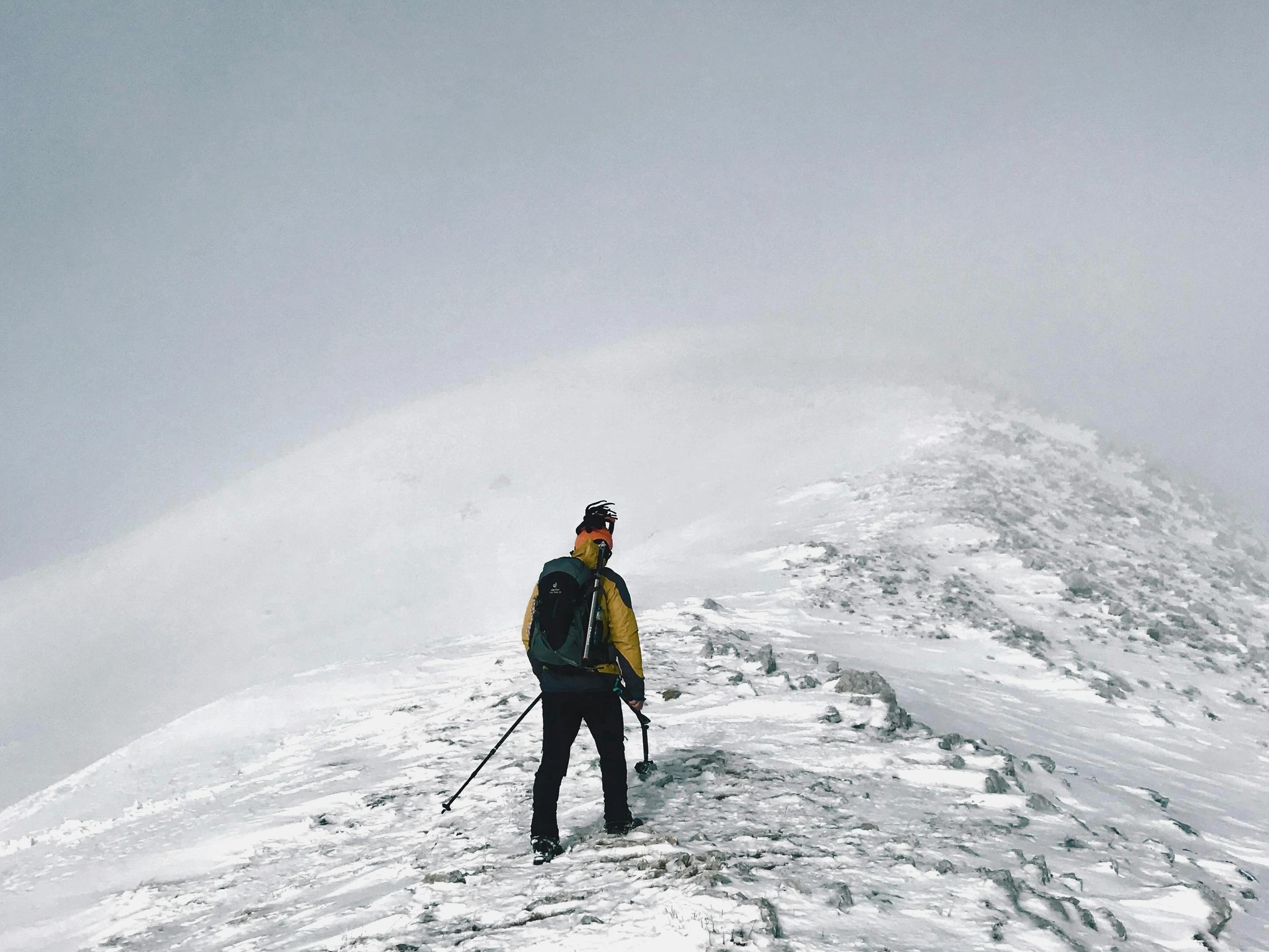
Albania's topography is profoundly shaped by its rugged mountainous character, a feature that dictates the nation's climate, hydrology, and intrinsic identity. Approximately three-quarters of the country consists of mountains and hills with elevations exceeding 200 meters, boasting an average altitude nearly twice the European average.
For many visitors, the Albanian Alps represent the pinnacle of this geography, offering a dramatic limestone landscape that serves as the southern extension of the 1,000-kilometer-long Dinaric Alps system.
This orographic arrangement has historically fostered isolation, preserving unique cultural traditions and biological refugia. Whether one is interested in Albania mountains hiking or simply sipping on traditional Albanian mountain tea while overlooking a glacial valley, these ranges provide a vertical barrier between the Ionian coast and the Balkan interior that remains one of Europe's last true wildernesses. As local guesthouse owner Eliza Guri from Theth eloquently states, "Our mountains tell stories of generations; every peak, every river, holds a piece of our soul. You don't just visit; you become part of it."
References:
National Agency of Protected Areas Albania
TL;DR
- The Albanian Mountains, particularly the northern "Accursed Mountains," offer dramatic landscapes, challenging hikes, and authentic cultural experiences unlike anywhere else in Europe.
- Beyond the popular Theth-Valbona trail, discover diverse mountain ranges like Korab and Tomorr, and explore emerging winter sports opportunities.
- Practical tips include understanding border crossing logistics for multi-country treks, respecting local customs, and planning for accessibility changes.
Essential planning involves considering shoulder seasons to avoid crowds on popular routes and embracing agrotourism for a richer cultural immersion, perhaps through platforms like AgroTourism Albania.
Quick Tips
> Tip 1: Pack layers because mountain weather is notoriously unpredictable, shifting from brilliant sun to sudden rain or even hail rapidly. Always carry a waterproof jacket.
> Tip 2: Book guesthouses in advance during the busy July and August peak. Utilize platforms like Booking.com, but also consider local booking sites such as Travel Albania which often feature smaller, family-run establishments.
> Tip 3: Download offline maps (e.g., Maps.me or Gaia GPS) specifically for the Theth-Valbona pass and other remote trails where mobile signals are weak. Consider purchasing a local SIM card with data upon arrival for better connectivity in less remote areas.
What Exactly Are the Albanian Mountains, and Why Are They Called the "Alps"?

The term "Albanian Alps" is frequently used in travel literature to denote the southernmost subrange of the Dinaric Alps. While the true Alps are in Central Europe, this evocative name is applied to northern Albania to convey the region's remarkable ruggedness and distinct glacial character. Geologically, these mountains are an extension of the Dinaride-Hellenide orogenic belt, formed by eons of tectonic collision. The indigenous name for this breathtaking area is the Accursed Mountains of Albania, or Bjeshkët e Nemuna.
This powerful name reflects the historical difficulty of living in and traversing this fragmented, waterless limestone terrain. Popular legends abound: some suggest the name originated from a mother's curse while fleeing enemies through desperate paths, while others attribute it to Slavic soldiers who struggled immensely with the region's extreme inaccessibility and unforgiving landscapes.
Today, the "Alps" branding helps reposition this once-feared frontier as a premier destination for adventure, yet the raw, untamed spirit suggested by "Accursed Mountains" still resonates deeply with those who venture into their heart.
References:
Where Are the Albanian Mountains Located, and How Do I Get There?
The Albania mountains are geographically divided into three primary provinces, each offering a distinct experience.
The Northern Range, famously known as the Albanian Alps, borders Montenegro and Kosovo, its sharp peaks carving dramatic skylines.
The Central Range includes the formidable Korab massif on the eastern border with North Macedonia, home to Albania's highest peak.
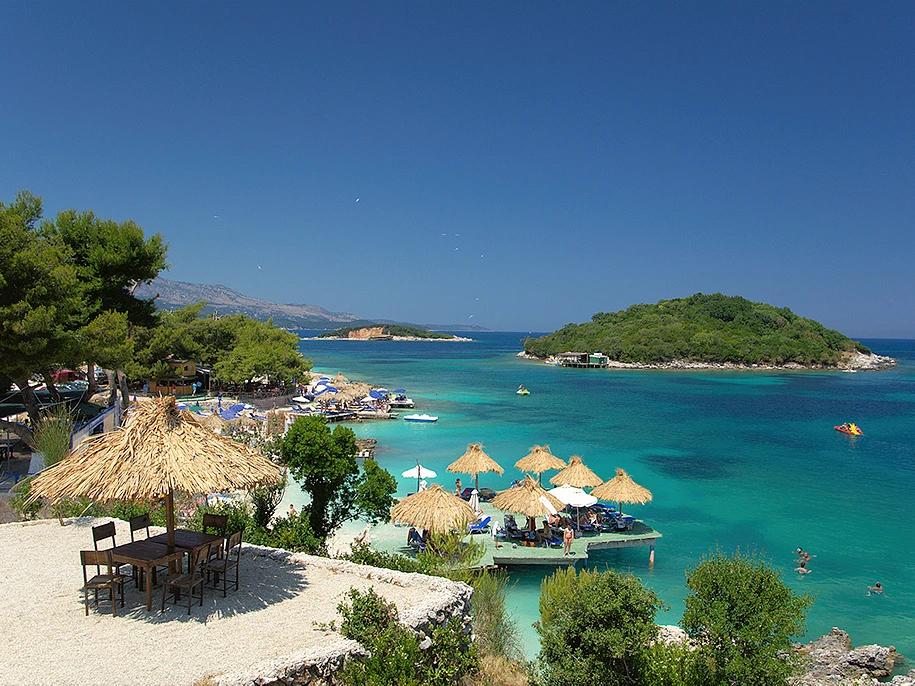
Finally, the Southern Range features the Ceraunian Mountains, where the rugged peaks dramatically plunge into the turquoise waters of the Ionian Sea.
Accessing these spectacular regions has undergone significant transformation in recent years. For instance, the road to Theth, once a treacherous 4x4 track that deterred many, is now fully paved, making the village accessible to standard vehicles and opening up the heart of the Alps to a broader audience.
Most travelers typically use Tirana International Airport (Mother Teresa Airport) as their gateway, from which they can take intercity buses or "furgons" (shared local minibuses) to major regional hubs like Shkoder (for the Northern Alps) or Korca (for eastern ranges).
Tour operators like Zbulo Discover Albania offer comprehensive transport and guiding services, simplifying logistics for visitors.
Accessibility Overview
| Mountain Range | Nearest Major City | Travel Time from City | Access Method | Road Quality |
|---|---|---|---|---|
Albanian Alps | Shkoder | ~2.5 Hours | Furgon Private Car Tour Operator Shuttle | Paved (Excellent to Theth) |
Korab Massif | Tirana / Peshkopi | From Tirana: 2.5–3 Hours | Bus / 4x4 (Required for upper sections) | Variable; paved to main towns, then rough |
Tomorr Mountain | Berat | 1.5 Hours | 4x4 Recommended / Local Taxi | Rough/Gravel, challenging |
Ceraunian Range | Vlore | ~1 Hour | Public Bus / Rental Car | Excellent, coastal highway |
Refercences:
Exploring the Crown Jewels: Top 5 Places to Visit in the Albanian Mountains

The sheer diversity of the Albania mountains ensures that travelers can find everything from high-altitude glacial peaks demanding serious trekking to spiritual highland sanctuaries and coastal mountain escapes. Each destination offers a unique tapestry of natural beauty and cultural heritage.
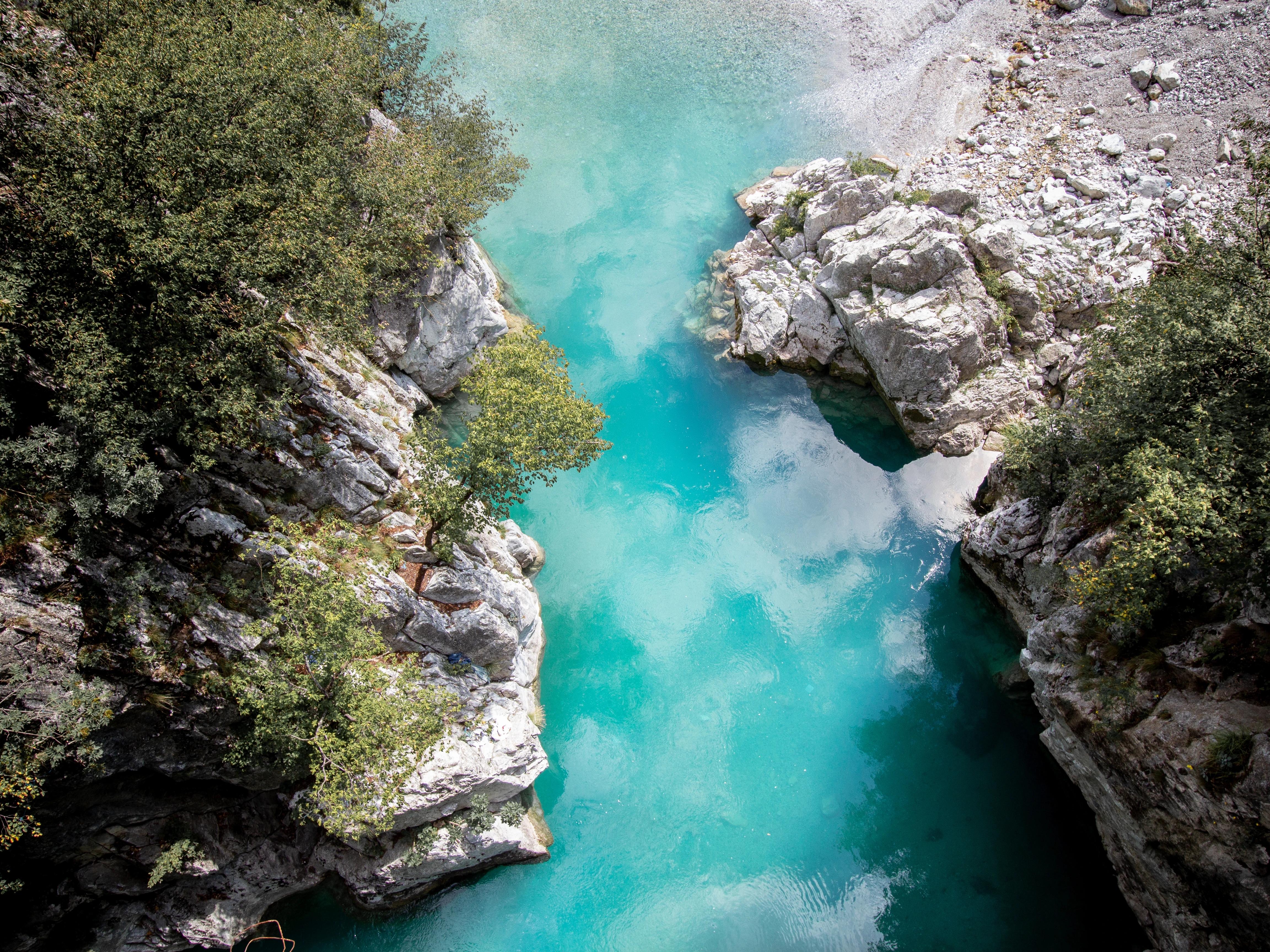
- Theth Village: Nestled deeply in the heart of the Northern Alps, Theth is a scene straight from a postcard. Its impressive peaks include Mount Arapi (2,217m) and the dramatic Grykat e Hapeta. Visitors are captivated by the historic "Lock-in Tower" (Kulla e Ngujimit), a poignant symbol of traditional Kanun law, and the mesmerizing turquoise waters of the Blue Eye of Theth waterfall. A visit here is stepping back in time.
- Valbona Valley National Park: Directly adjacent to Theth, Valbona offers a wider, more expansive valley experience, often feeling wilder and more remote. The defining feature is Mount Jezerca (2,694m), the highest peak in the entire Dinaric Alps, whose summit views are simply unforgettable. As local guide Gjon Prendi says, "Theth is cozy, Valbona is grand. Together, they are the heart of our mountains."
- Mount Korab: Situated on the eastern border with North Macedonia, Maja e Korabit (2,764m) stands as the highest point in Albania. This massive gypsum block offers a rugged, remote, and truly challenging experience for serious hikers. The ascent is arduous but rewarded with panoramic views stretching into two countries, a testament to its commanding presence.
- Tomorr Mountain: Located near the historic city of Berat, Tomorr is not just a mountain but a sacred site for Bektashi Muslims, often referred to as the "Olimpus of Albania." The highest peak, Maja e Cukave (2,416m), is frequented by pilgrims. It offers a unique spiritual vibe, rich biodiversity, and ancient traditions distinct from the northern ranges.
- Llogara Pass & Ceraunian Mountains: This is where the mighty mountains dramatically meet the sparkling Ionian Sea. Driving through the scenic Llogara Pass, travelers can hike peaks like Maja e Cikes (2,044m) and be rewarded with unparalleled views directly over the Albanian Riviera, a truly breathtaking juxtaposition of land and sea.
Key Mountain Destinations Comparison
| Destination | Region | Top Peak | Best For | Vibe | Average annual visitor growth (Est. 2023) |
|---|---|---|---|---|---|
Theth | North | Mt. Arapi | Culture & Day Hikes | Traditional, intimate, pristine | 18% |
Valbona | North | Mt. Jezerca | Epic Scenery & Multi-day Treks | Wild, open, adventurous | 15% |
Mt. Korab | East | Mt. Korab | High Altitude Climbing | Remote, challenging, commanding | 8% (mostly dedicated hikers) |
Tomorr | South-Central | Maja e Cukave | Pilgrimage & Unique Flora | Spiritual, serene, biodiverse | 12% |
Llogara | South | Maja e Cikes | Sea Views & Coastal Hikes | Refreshing, iconic | 20% |
Refrences:
Tourism Statistics - Visitor growth estimates based on recent tourism reports and local guesthouse occupancy rates.
Trekking Through Paradise: Popular Routes and Skiing Hotspots

The most iconic adventure for Albania mountains hiking is undoubtedly the Theth to Valbona traverse. This approximately 17-kilometer trail follows a traditional mule track, taking roughly 6 to 8 hours to complete. It is considered a moderate to challenging hike, involving an elevation gain of over 1,000 meters. Most hikers integrate the scenic Komani Lake ferry journey as part of this adventure, creating a stunning loop typically starting and ending in Shkoder.
For detailed route information and GPX files, consult resources from reputable operators like Outdoor Albania. Packing essentials include sturdy hiking boots, sufficient water (at least 2-3 liters per person), high-energy snacks, sun protection, and a basic first-aid kit.
Beyond hiking, winter tourism is experiencing a nascent but exciting emergence. While still in its infancy compared to the established resorts of the true Alps, regions like Voskopoja near Korca offer established bases for snowshoeing and cross-country skiing, particularly appealing to those seeking tranquility over crowded slopes.
Backcountry skiing is also highly possible in the Albanian Alps, offering unparalleled powder experiences, though it requires expert navigation and, crucially, certified local guides for safety, as formal lift systems are currently absent in the high peaks.
Let’s Talk About Your Smile - Free Consultation
Trusted by thousands of international patients in Albania

Popular Trekking vs. Skiing Locations
| Activity | Location | Difficulty | Duration | Best Season | Recommended Gear | Guiding Options |
|---|---|---|---|---|---|---|
Traverse | Theth-Valbona | Moderate | 6-8 Hours | June-Oct | Day pack, water bladder, rain gear, hiking poles | Self-guided (well-marked), local guides available |
Peak Climb | Mt. Korab | Hard | 8-10 Hours (full day) | July-Sept | Technical hiking gear, navigation tools, warm layers | Local Guide Highly Recommended (e.g., Korabi Lojalitet Tours) |
Skiing / Snowshoeing | Voskopoja | Easy-Medium | Day Trip | Dec-March | Snowshoes, poles, thermal clothing, waterproofs | Rentals and instructors available locally |
Deep Trek | Peaks of the Balkans | Hard | 10+ Days | July-August | Backpacking gear, tent, extensive provisions | Required for border crossings where applicable, several licensed operators |
References:
A Glimpse into Tradition: Solo Female Travel and Cultural Nuances
The highlands of Albania are governed by an ancient and profound sense of hospitality known as Besa, meaning "pact of honor." Historically, the "Kanun of Leke Dukagjini" - a comprehensive set of traditional customary laws - dictated life here for centuries. While the strict legal aspects of the Kanun are largely historical, the ingrained culture of protecting and honoring guests remains powerfully vibrant.
A guest in an Albanian home is not merely welcomed; they are treated with the highest honor, often with the best food, the warmest bed, and unwavering protection.
For solo female travelers, the mountains are generally considered very safe. Locals are often remarkably protective and respectful of visitors, particularly women traveling alone.
However, it is always wise to dress modestly, especially when entering village centers, family homes, or religious sites, as a sign of respect for local customs.
“”The hospitality in the northern highlands is not merely a courtesy; it is a sacred duty, a part of our identity. A guest in an Albanian home is treated with the highest honor, and their safety is our responsibility.
- Marku, Local Guesthouse Owner, Valbona
Cultural Etiquette for Travelers
| Situation | Advice | Local Context |
|---|---|---|
Entering a Home | Remove shoes at the entrance. | Shows respect for the cleanliness of the household and its inhabitants. |
Dining | Accept offers of food and drink, at least in small amounts. Try everything. | Turning down food, especially if freshly prepared by the host, can be seen as impolite. |
Dress Code | Opt for modest clothing, particularly in villages and religious sites. | Mountain communities are generally more traditional than major cities like Tirana. |
Payment | Always carry local currency (Lek) in cash. | Card payment facilities are rare in mountain guesthouses and shops. |
Photography | Always ask for permission before photographing people, especially children. | A sign of respect; some individuals may prefer not to be photographed. |
Frequently Asked Questions
Is it safe to hike solo in the Accursed Mountains?
Yes, it is generally safe as long as one adheres to marked trails and exercises standard mountain safety precautions. The paths between Theth and Valbona are well-trodden and have increasing foot traffic. However, for more remote ranges like Korab or for off-trail exploration, hiring a certified local guide is highly recommended due to the lack of extensive signage, rapidly changing weather conditions, and unfamiliar terrain. Consider contacting guiding associations such as the Albanian Alpine Club for recommendations.
How does one obtain cross-border permits for the Peaks of the Balkans trail?
Travelers must apply for these permits at least 10-14 days in advance of their trek. While Albania and Kosovo typically grant them without charge and with relative ease, Montenegro often requires a small administration fee.
What is the best time for hiking to avoid crowds and ensure optimal weather?
To avoid the significant tourist influx of July and August, consider visiting during the shoulder seasons of June or September. During these months, the weather is still generally stable and pleasant, guesthouses are less crowded, and the vibrant colors of the blossoming spring or autumn foliage offer uniquely picturesque landscapes. Mid-October can also be beautiful, but the weather becomes more unpredictable.
Is there significant wildlife to be concerned about in the mountains?
While the Albanian mountains are home to a diverse array of wildlife, including brown bears, grey wolves, and the critically endangered Balkan Lynx, these animals are generally reclusive and avoid human contact. Most hikers complete their treks without ever sighting these larger mammals. The most common "wildlife" concern for hikers is typically the large, protective shepherd dogs (Sharplanina), which guard flocks; it is best to avoid approaching them directly and give them a wide berth.
Final Thoughts
The mountains of Albania offer a rare and precious glimpse into a side of Europe that has remained remarkably untouched by the homogenizing forces of modern tourism. From the jagged, imposing towers of the Albanian Alps to the high-altitude pastures of Korab and the sun-drenched coastal peaks of the Ceraunians, the landscape demands respect and offers immense, life-affirming rewards. By choosing to visit in the tranquil shoulder seasons, embracing the warmth of local hospitality (Besa), and perhaps exploring lesser-known ranges like Tomorr, one can experience the true, authentic spirit of the Albanian highlands. Pack sturdy boots, prepare for challenging but rewarding climbs, and do not forget to savor a hot, fragrant cup of Albanian mountain tea at the summit of a pass, breathing in the wild beauty of this extraordinary land.
Author

Marcela Shehu
Marcela Shehu is the Co-Founder of Dental Tourism Albania and a UK-based patient coordinator specialising in cross-border dental care. She lives in London and splits her time between London and Tirana, giving her first-hand insight into both UK patient expectations and the standards of leading dental clinics in Albania.
Marcela works closely with carefully vetted clinics in Tirana, supporting patients with treatment planning, travel coordination, and aftercare guidance. Through the blog, she shares practical insights on dental procedures, cost comparisons, and how to safely plan dental treatment in Albania with confidence.