Dental Veneers Cost in Albania vs the UK (2025)
Dental veneers are one of the most requested cosmetic dental treatments in the UK. They are also among the most expensive when carried out privately. Based on published UK private dentistry prices - The Smile Gallery (UK) and the pricing information we collect directly from our partner clinics in Albania, that treat international patients, porcelain veneers in Albania typically cost 60 to 70 per cent less than in the UK.
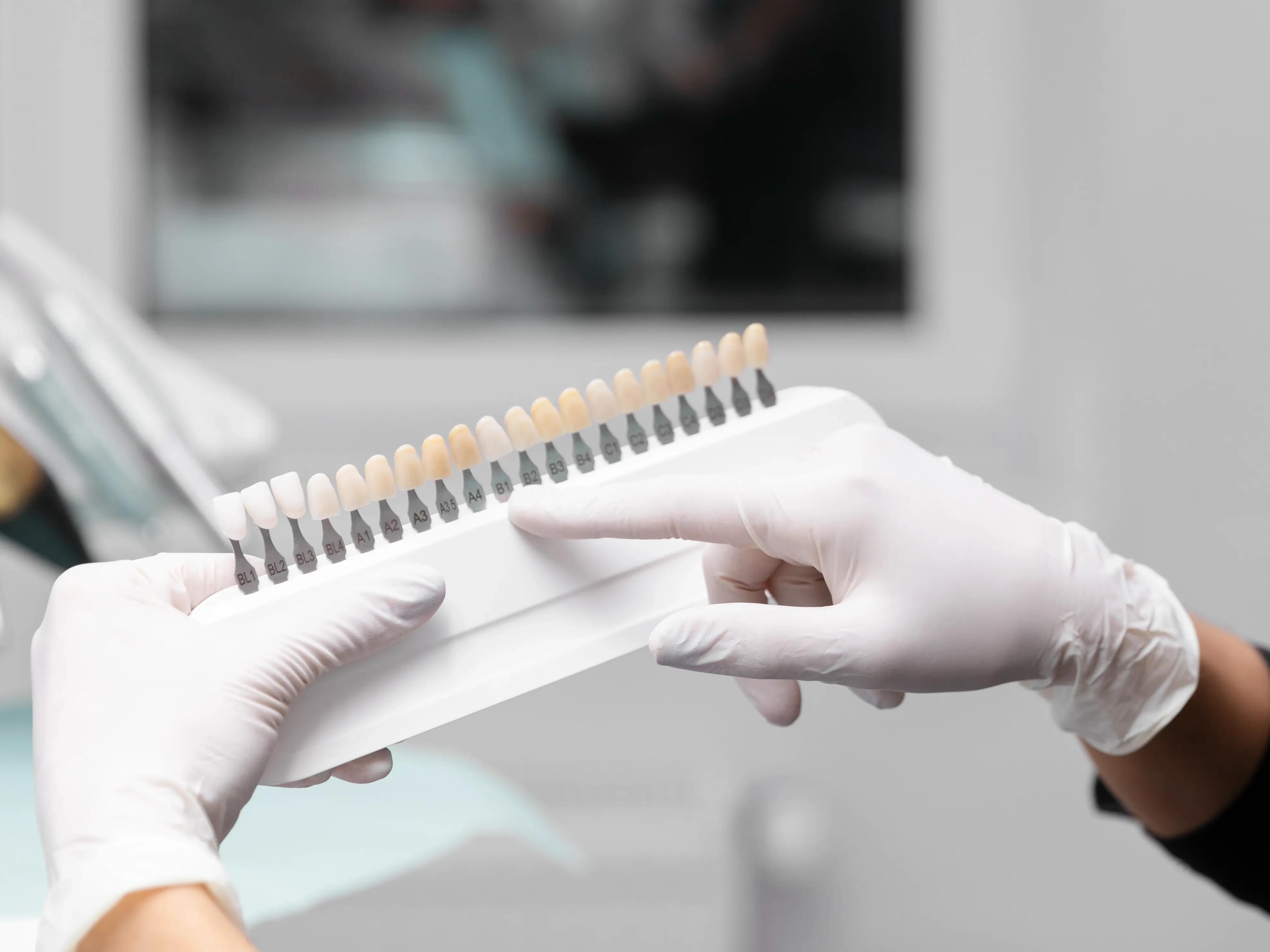
Dental veneers are one of the most requested cosmetic dental treatments in the UK. They are also among the most expensive when carried out privately.
Based on published UK private dentistry prices - The Smile Gallery (UK) and the pricing information we collect directly from our partner clinics in Albania, that treat international patients, porcelain veneers in Albania typically cost 60 to 70 per cent less than in the UK.
Savings become more pronounced as treatment size increases. The cost difference for a single veneer is already considerable, and for cosmetic cases involving 6 to 10 veneers the gap widens significantly, with UK private treatment often reaching five-figure totals, while Albanian clinics commonly publish prices in the low thousands for comparable treatment. These figures are drawn from verifiable sources, not promotional estimates.
Primary sources referenced throughout this article include:
- UK private dental veneers pricing and patient guidance - The Smile Gallery (UK) (clinic fee guides)
- Data from our partner clinics in Albania, reflecting the current dental veneers’ prices
- UK and EU regulatory bodies (GDC, GOV.UK, EU MDR)
References:
TL;DR
Yes. Porcelain veneer treatment is significantly cheaper in Albania than in the UK, typically costing at least two-thirds less per tooth based on published private UK prices and Albanian clinic price lists.
Most porcelain veneer treatments are completed in one trip, so flights and accommodation rarely remove the overall cost advantage.
- Porcelain veneer (per tooth): Albania £160–£395; UK private £650–£1,500+
- 8 porcelain veneers: Albania £1,265–£3,160; UK private £5,200–£12,000+
- 10 porcelain veneers: Albania £1,600–£3,950; UK private £6,500–£15,000+
What are dental veneers?
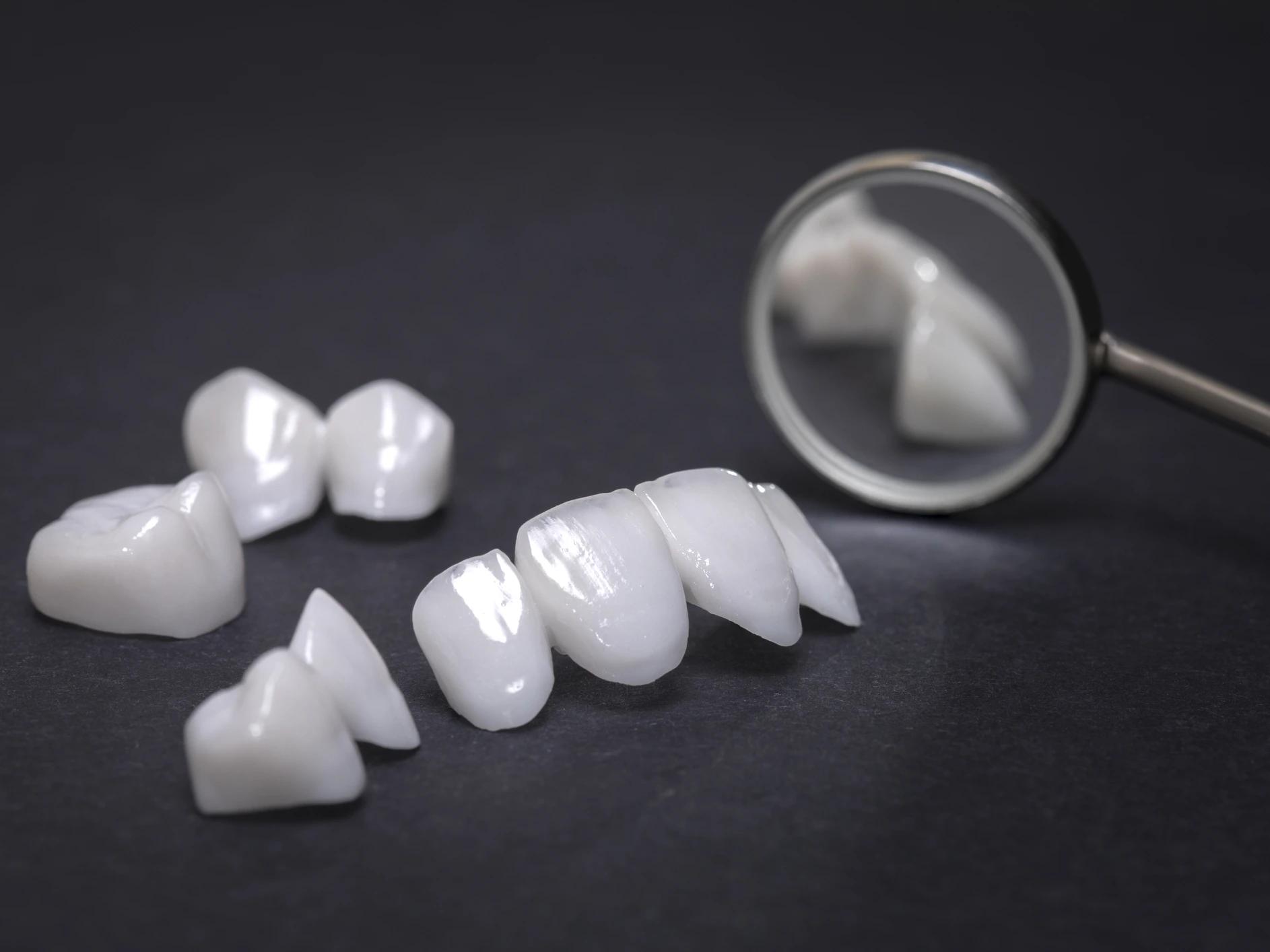
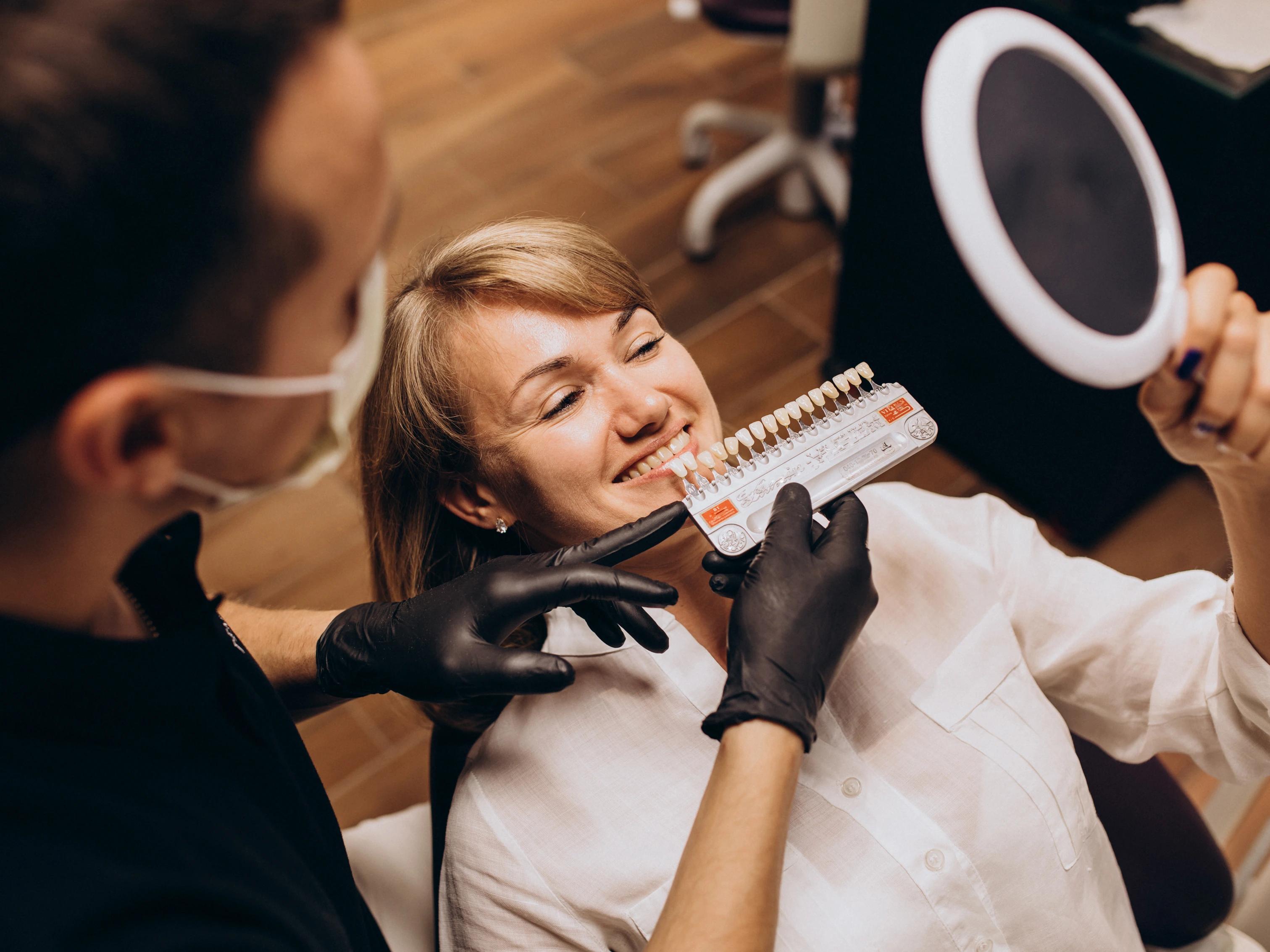
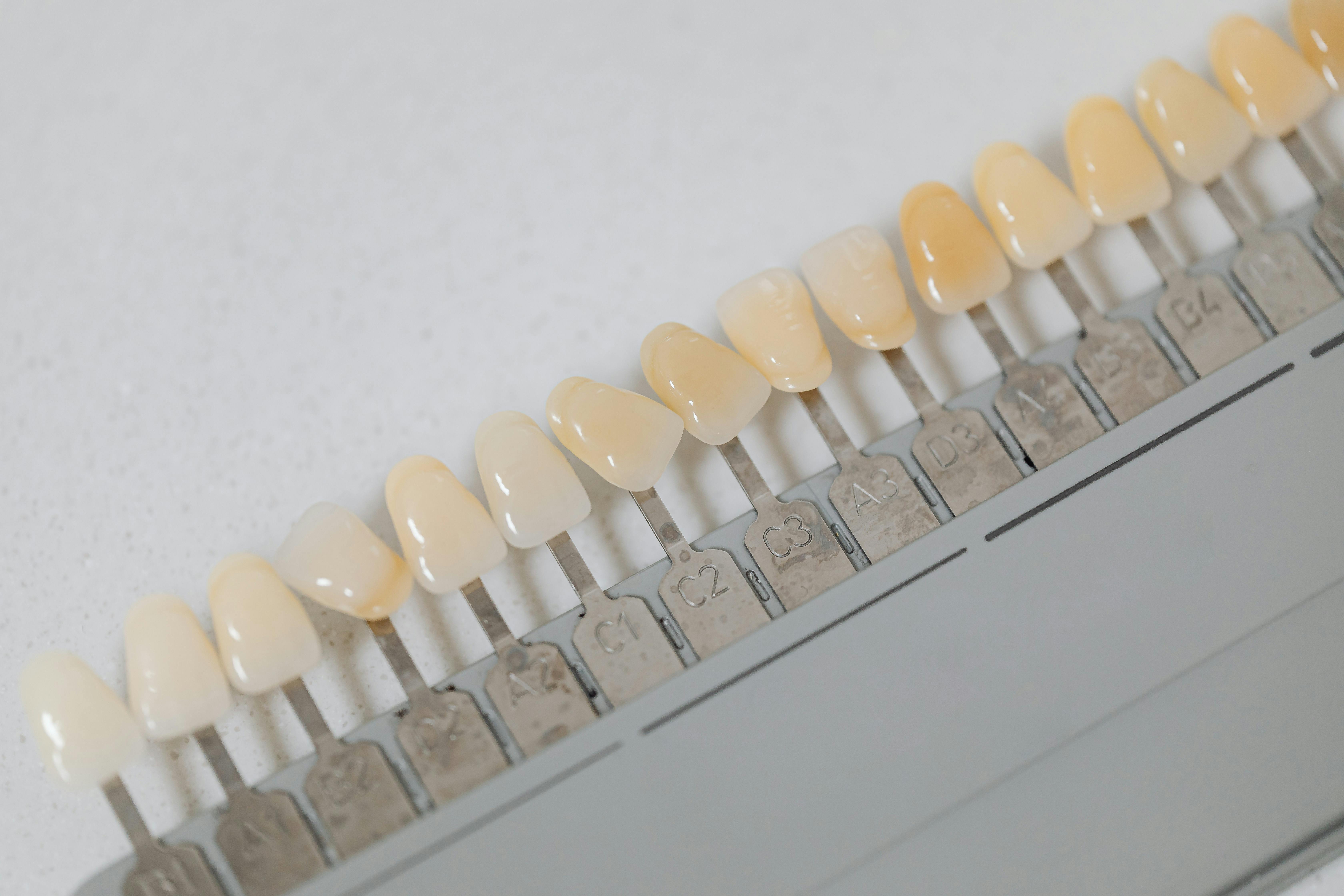
Dental veneers are thin restorations bonded to the front surface of teeth to improve their appearance. They are commonly used to address discolouration, uneven shape, small gaps, minor misalignment, and worn or chipped enamel.
Veneers are a cosmetic treatment, not a medical necessity. Their purpose is aesthetic improvement rather than restoration of function, although they can improve confidence and smile symmetry.
In most cases, veneers require removal of a small amount of natural enamel to allow secure bonding. This makes veneers a long-term commitment, even though the veneers themselves may need replacing in future.
Veneers are most commonly used for:
- Discoloured teeth that do not respond well to whitening
- Chipped or worn teeth
- Uneven spacing or minor misalignment
- Cosmetic smile makeovers affecting the visible front teeth
There are three main types of veneers:
Porcelain veneers, including Emax veneers, are laboratory-made ceramics, while Composite veneers are built directly on the tooth using resin material.
A key point many patients misunderstand is that veneers are not temporary cosmetic covers. In most cases, a small amount of natural enamel must be removed to allow proper bonding. This makes veneers a long-term commitment, even though they may need replacing in future.
Let’s Talk About Your Smile - Free Consultation
Trusted by thousands of international patients in Albania

| Feature | Porcelain | Emax | Composite |
|---|---|---|---|
Lifespan | 10-15 years | 10-20 years | 3-5 years |
Stain resistance | High | Very high | Moderate |
Lab work | High | Very high | Moderate |
Typical use | Smile makeovers | Smile makeovers | Small cosmetic fixes |
Veneer treatment types and costs explained
Porcelain veneers
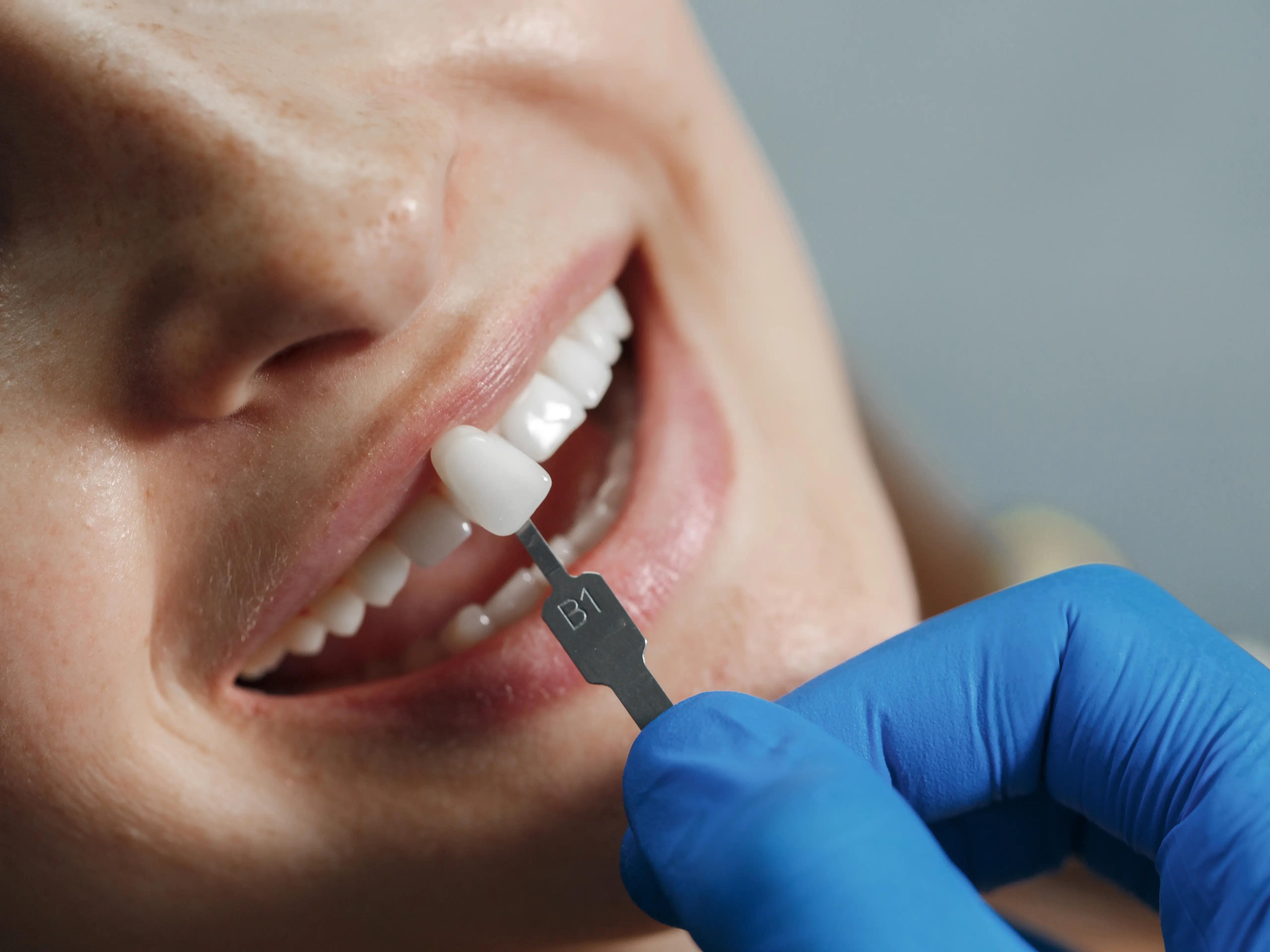
Porcelain veneers are custom-made ceramic restorations produced in a dental laboratory and bonded to the front of teeth.
Key points:
- Require enamel reduction in most cases
- Long-term treatment is not reversible
- Lifespan typically 10–15 years
- High stain resistance and colour stability
Costs:
- UK: £650–£1,500+ per tooth
- Albania: £160–£395 per tooth
Emax Veneers
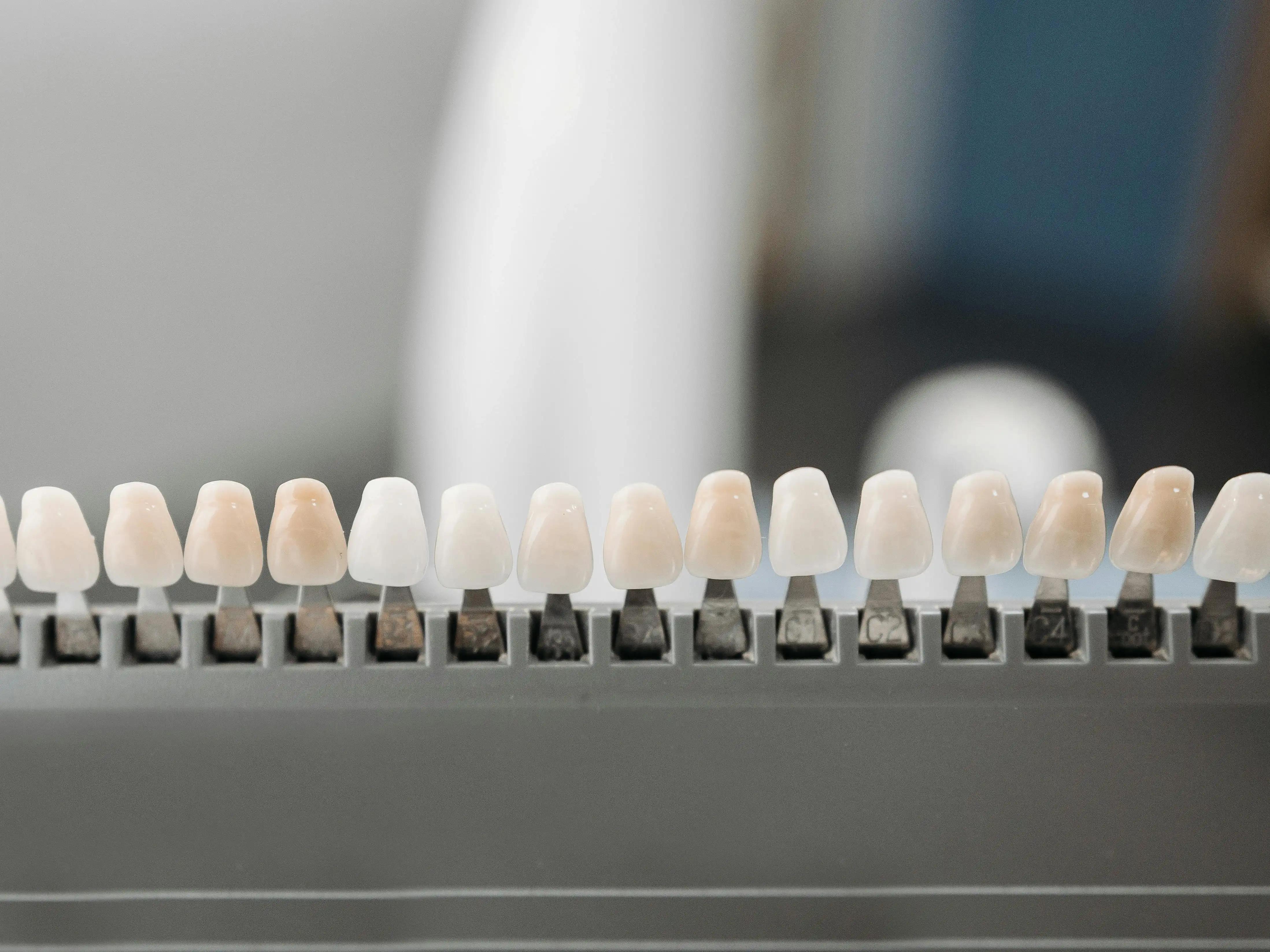
Emax veneers are high-strength ceramic veneers made from lithium disilicate and produced in a dental laboratory. They are a premium type of porcelain veneer, known for superior aesthetics and durability.
Key points:
- Require enamel reduction in most cases (often more conservative than traditional porcelain)
- Lifespan typically 12–20 years
- Long-term treatment and not reversible
- Excellent translucency with very high stain resistance
Costs:
- UK: £785–£1,500+ per tooth
- Albania: £175–£350 per tooth
Composite Veneers
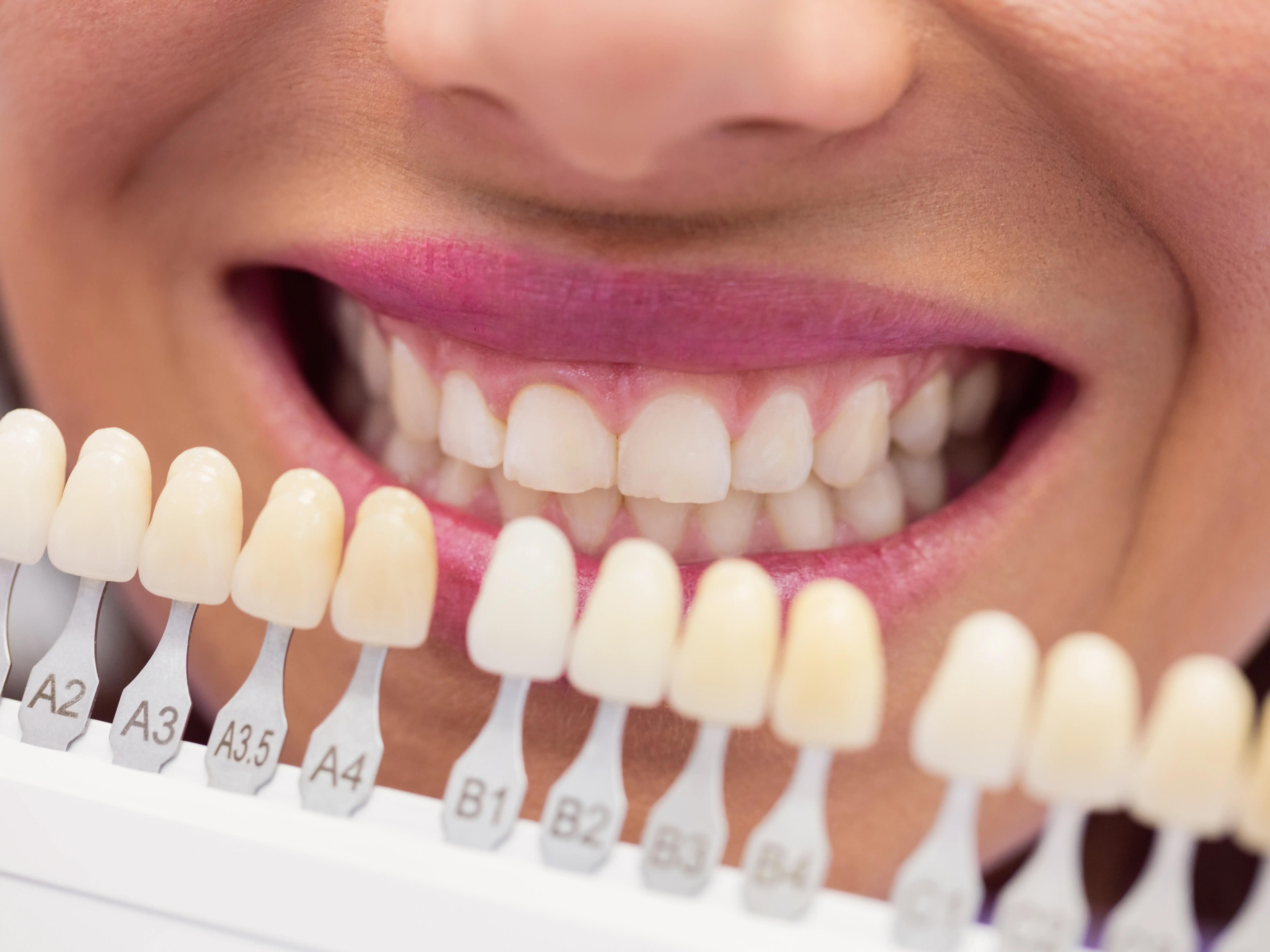
Composite veneers are built directly onto the tooth using resin material.
Key points:
- Usually less enamel removal
- Shorter lifespan, 3–5 years
- More prone to staining and wear
- Often require maintenance
Costs:
- UK: £200–£500 per tooth
- Albania: £100–£200 per tooth
How much do dental veneers cost in Albania compared with the UK?
When comparing veneer prices between Albania and the UK, the difference is driven less by the procedure itself and more by how cosmetic dentistry is priced and delivered.
In the UK, veneers are almost always provided as private cosmetic treatment. Pricing reflects high clinic overheads, regulatory compliance costs, professional indemnity insurance, and relatively low volumes of large veneer cases.
In Albania, clinics that focus on international cosmetic dentistry operate within a lower-cost economy and treat veneer cases routinely. This allows them to offer lower prices while still allocating adequate time for planning, preparation, and fitting.
Another practical difference is the pricing structure. UK clinics often quote per tooth and add costs as treatment progresses.
Albanian clinics more commonly publish package-style veneer pricing, which makes total costs clearer upfront.
Typical private veneer pricing comparison (2025)
| Treatment | UK private clinics | Albania clinics |
|---|---|---|
Porcelain veneer (per tooth) | £650–£1,500+ | £160–£395 |
6 porcelain veneers | £3,900–£9,000+ | £960–£2,370 |
8 porcelain veneers | £5,200–£12,000+ | £1,265–£3,160 |
10 porcelain veneers | £6,500 - £15,000+ | £1,600 - £3,950 |
References:
Why does veneer treatment cost more in the UK
High veneer prices in the UK are largely a result of systemic and administrative factors, rather than superior materials or dramatically different techniques.
Private dental practices in the UK operate within one of the most expensive healthcare environments in Europe. Staff wages, employer pension contributions, indemnity insurance, and business rates are all high compared with much of Eastern and Southern Europe.
Laboratory costs are another factor. UK dental laboratories operate with high labour and energy costs, which are passed directly to patients through veneer fees.
Finally, cosmetic veneer cases are not everyday treatments in many UK practices. Lower volumes mean fewer efficiencies and higher per-case pricing.
References:
Dental Veneers In East Grinstead
Why veneers cost less in Albania (and why that doesn’t mean lower quality)

This is the point where patients may become suspicious.
Veneers are cheaper in Albania, not because quality is lower, but because the economic environment is fundamentally different.
Dentist wages, clinic rents, staffing costs, and laboratory fees are significantly lower than in Western Europe. These savings are structural and permanent, not promotional.
Many Albanian clinics treating overseas patients specialise in cosmetic dentistry. Veneer cases are routine rather than occasional, which improves efficiency and reduces wasted chair time. High case volumes allow clinics to spread fixed costs across many patients.
Crucially, reputable clinics use CE-marked materials, modern digital workflows, and recognised bonding systems. The lower price reflects reduced overheads, not inferior ceramics or shortcuts.
It is possible, and common, for high-quality medical and dental care to cost less in parts of Europe where the cost base is lower. Albania is one of those places.
What is usually included in the price of veneers in Albania?
Most Albanian clinics present veneer treatment as a clear, bundled price to help international patients plan confidently. Typically included:
- Consultation and smile assessment
- Treatment planning and shade selection
- Tooth preparation where required
- Impressions or digital scans
- Laboratory fabrication of porcelain veneers
- Temporary veneers
- Final bonding and bite adjustment
- Local anaesthetic
This approach reduces the risk of unexpected costs during treatment.
What is not always included in the price of veneers in Albania?
Patients should still clarify exclusions before booking. Items not always included:
- Treatment for decay or gum disease identified during assessment
- Advanced imaging, such as CBCT scans (rarely needed for veneers)
- Night guards for grinding or clenching
Flights, accommodation, food, insurance, and UK-based maintenance are normally arranged separately.
UK vs Albania vs Turkey vs Poland: where does Albania sit?
For a rational patient, cost alone is not enough. Regulation, consistency, and risk matter.
Turkey often offers lower headline prices than Albania, but operates outside EU medical device regulation and has highly variable standards. Poland sits within the EU framework but has higher labour costs, reducing savings.
Albania occupies a middle ground: lower costs than Poland, more regulatory alignment than Turkey, and growing experience with international cosmetic patients.
| Country | Cost | Regulation |
|---|---|---|
UK | Very high | Strong |
Albania | Low | EU-aligned |
Turkey | Very low | Non-EU |
Poland | Medium | EU |
For many patients, Albania offers the best balance of price, regulation, and predictability.
Veneer price benchmarks by country (private clinics, 2025)
The table below compares typical private-market pricing for veneers across the UK, Albania, Turkey, and Poland. These ranges are drawn from published clinic price lists, UK private dental guidance, and established dental tourism pricing, not promotional offers.
The purpose of this table is not to identify the cheapest country, but to show where Albania sits in terms of cost, regulation, and predictability.
| Treatment | UK | Albania | Turkey | Poland |
|---|---|---|---|---|
Porcelain veneer (per tooth) | £650 - £1,500+ | £160 - £395 | £150 - £300 | £350 - £600 |
6 porcelain veneers | £3,900 - £9,000+ | £960 - £2,370 | £1,200 - £1,800 | £2,100 - £3,600 |
8 porcelain veneers | £5,200 - £12,000+ | £1,265 - £3,160 | £1,600 - £2,500 | £2,800 - £4,800 |
10 porcelain veneers | £6,500 - £15,000+ | £1,600 - £3,950 | £2,000 - £3,000 | £3,500 - £6,000 |
Composite veneer (per tooth) | £200 - £500 | £100 - £200 | £80 - £150 | £150 - £300 |
How to read this table
- The UK remains the most expensive option due to labour costs, regulation, and clinic overheads.
- Turkey often appears cheaper at the headline level, but pricing varies widely and operates outside EU medical device regulation.
- Poland offers EU regulation and consistency, but with higher labour costs than Albania, savings are smaller.
- Albania consistently sits in a lower price band than Poland, with great regulatory alignment, which is why many patients view it as the most balanced option.
Sources and references used for price ranges:
- Dental Veneers In East Grinstead
- General Dental Council - Going abroad for dental treatment
- Regulation (EU) 2017/745 – Medical Devices
Treatment timelines: the one-trip advantage of veneers

Unlike implants, veneers do not rely on healing phases.
Most porcelain veneer cases can be completed in one visit, lasting 5–7 days, including preparation, temporaries, and final fitting. Composite veneers can often be completed even faster.
This significantly reduces travel complexity and cost.
Travel and accommodation costs
| Cost item | Typical range |
|---|---|
Flights | £80 - £180 |
Accommodation (6 nights) | £240 - £480 |
Food and transport | £150 - £250 |
Insurance | £20 - £60 |
Total cost comparison: UK vs Albania (all costs included)
When patients compare veneer treatment in the UK with treatment abroad, the mistake is often to compare treatment prices alone. A realistic comparison must include every cost a typical patient would reasonably incur, not just the dental fee.
For a UK patient travelling to Albania for veneers, this usually means accounting for:
- Return flights
- Accommodation during treatment
- Food and local transport
- Travel insurance
These costs are unavoidable, but they are also finite and predictable. In contrast, the price difference between UK and Albanian veneer treatment is structural and increases as more veneers are placed.
To make this comparison as transparent as possible, the figures below assume:
- One trip for veneer treatment (typical for porcelain veneers)
- Economy return flights from the UK to Tirana
- Mid-range hotel accommodation (5–7 nights)
- Conservative estimates for food, transport, and insurance
UK prices reflect typical private clinic fees and already include consultation and laboratory costs, as these are normally bundled into UK veneer pricing.
Typical travel and living costs used in the calculation
| Cost item | Typical range |
|---|---|
Return flights (UK–Tirana) | £80 - £180 |
Accommodation (6 nights) | £240 - £480 |
Food and local transport | £150 - £250 |
Travel insurance | £20 - £60 |
Estimated total travel cost | £500 - £800 |
These figures are based on widely available UK travel platforms and typical patient itineraries.
Resources:
Total cost comparison (treatment + travel)
The table below shows a genuine, all-in comparison between typical UK private veneer costs and realistic total costs for treatment in Albania.
| Treatment | UK total cost | Albania treatment | Travel & accommodation | Albania total | Saving vs UK |
|---|---|---|---|---|---|
6 porcelain veneers | £3,900 - £9,000 | £960 - £2,370 | £500 - £800 | £1,460 - £3,170 | 20 - 85% |
8 porcelain veneers | £5,200 - £12,000 | £1,265 - £3,160 | £500 - £800 | £1,765 - £3,960 | 25 - 85% |
10 porcelain veneers | £6,500 - £15,000 | £1,600 - £3,950 | £500 - £800 | £2,100 - £4,750 | 27 - 86% |
Why this comparison matters
- Travel costs remain broadly the same regardless of whether you have 6 or 10 veneers.
- UK treatment prices increase sharply as more veneers are added.
- This means the percentage saving grows with treatment size, even after every realistic cost is included.
Aftercare, maintenance, and revisions
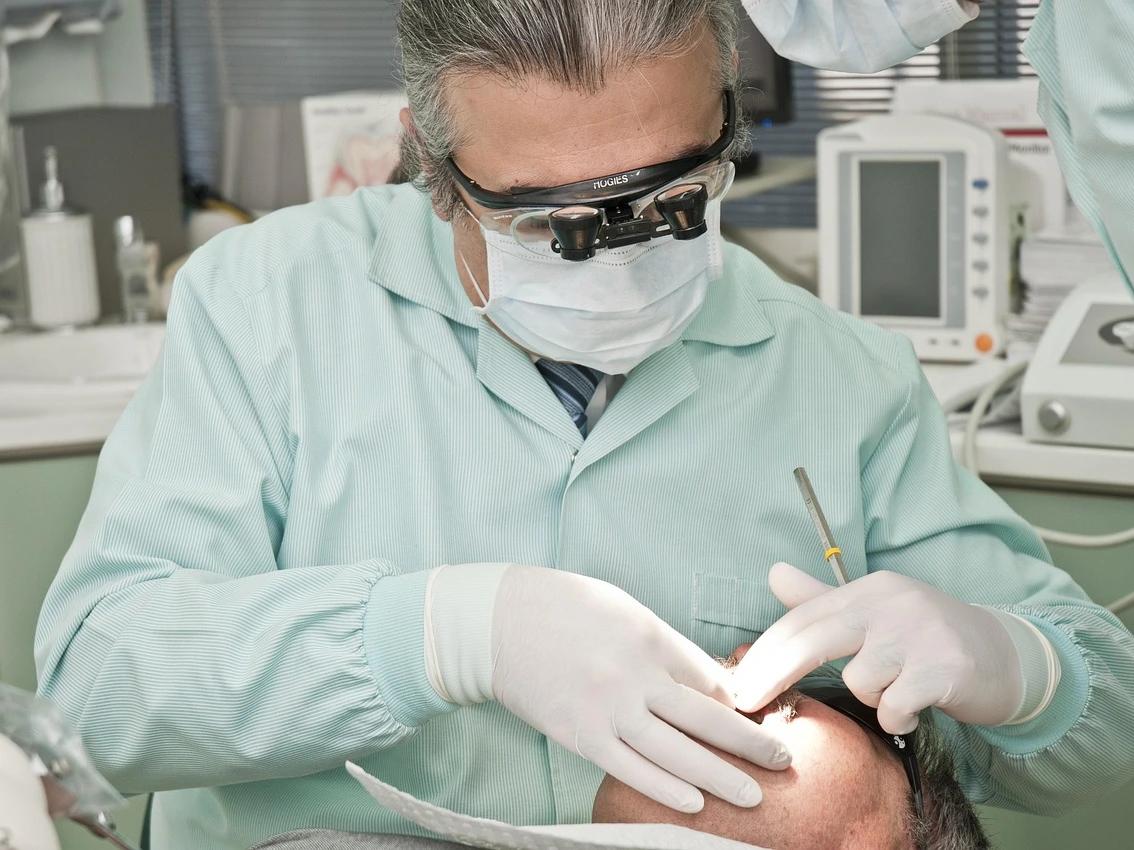
A common concern for UK patients considering veneers abroad is what happens once they return home. This is a valid question, but veneers do not require specialist aftercare that can only be provided by the original clinic.
After placement, veneer care is straightforward and routine. It involves normal oral hygiene, regular check-ups, and hygiene visits, just like veneers placed in the UK.
Minor issues, such as sensitivity or small bite adjustments, usually arise shortly after placement and are typically addressed before the patient travels home. Longer-term issues like chipping, wear, or debonding are uncommon and are handled in the same way whether veneers were placed in the UK or abroad.
Veneers are not lifetime restorations. Porcelain veneers typically last 10 to 15 years, sometimes longer with good care. This applies regardless of where treatment is carried out. Starting from a lower initial cost can make future replacement more affordable over time.
Frequently asked questions
Are veneers done in Albania the same materials as the UK?
Reputable clinics use CE-marked ceramics and bonding materials, which fall under EU Medical Device Regulation. These are the same regulatory standards used across Europe.
Am I taking a risk by not having “local” aftercare?
For veneers, no. Veneers do not require specialist follow-up or staged treatment. Once fitted, they behave like any other bonded restoration. Ongoing care is routine dentistry, not specialist intervention.
Will my UK dentist look after veneers done abroad?
Yes. UK dentists are allowed to examine, maintain, and repair veneers placed overseas. Routine care such as check-ups, hygiene visits, polishing, and bite assessment is no different to veneers placed in the UK. Any private fees charged are usually modest compared with the original cost savings.
Is “Turkey teeth” a real risk with veneers?
Most high-profile “Turkey teeth” cases involve crowns, not veneers. Crowns require aggressive reduction of the entire tooth. Ethical veneer treatment involves minimal preparation limited to the front surface of the tooth.
Will veneers placed abroad last as long as UK veneers?
Longevity depends on planning, preparation, bonding, bite forces, and oral hygiene, not geography. Porcelain veneers placed correctly typically last 10 to 15 years, whether placed in the UK or abroad.
Let’s Talk About Your Smile - Free Consultation
Trusted by thousands of international patients in Albania
Author

Marcela Shehu
Marcela Shehu is the Co-Founder of Dental Tourism Albania and a UK-based patient coordinator specialising in cross-border dental care. She lives in London and splits her time between London and Tirana, giving her first-hand insight into both UK patient expectations and the standards of leading dental clinics in Albania.
Marcela works closely with carefully vetted clinics in Tirana, supporting patients with treatment planning, travel coordination, and aftercare guidance. Through the blog, she shares practical insights on dental procedures, cost comparisons, and how to safely plan dental treatment in Albania with confidence.
Related Blogs