What Are the Problems With All-on-4 Dental Implants: Is It Right for You?
All-on-4 dental implants can present specific challenges such as peri-implantitis, bone loss, speech impediments, and issues with prosthetic durability, making careful patient selection and expert clinical execution crucial for long-term success. Determining if this treatment suits you requires thorough evaluation of bone density, oral hygiene and potential revision needs.
All-on-4 dental implants can present specific challenges such as peri-implantitis, bone loss, speech impediments, and issues with prosthetic durability, making careful patient selection and expert clinical execution crucial for long-term success. Determining if this treatment suits you requires thorough evaluation of bone density, oral hygiene and potential revision needs.
TL;DR
All-on-4 dental implants, while offering a full arch solution with fewer implants, are associated with problems like peri-implantitis, material failures of the prosthetic bridge and potential speech issues due to bulkiness. Long-term success depends heavily on bone quality, meticulous oral hygiene, and the initial surgical precision, with common complications necessitating revision surgery and incurring additional costs. Patients should be aware of factors like food entrapment and the need for ongoing professional maintenance years after the initial procedure.
Quick Tips
- Prioritise clinics with advanced 3D imaging for planning.
- Understand material differences for prosthetic bridges.
- Ask about long-term maintenance and revision protocols.
What Are the Common Biological and Mechanical Challenges with All-on-4?
All-on-4 dental implants face specific biological and mechanical failure points that patients need to understand, primarily focusing on peri-implantitis and bone loss which can compromise the implant's stability. Peri-implantitis, an inflammatory condition affecting the tissues surrounding a dental implant, is a significant concern, comparable to periodontitis in natural teeth and can lead to bone degradation around the implant.
The biomechanical forces on these four implants, particularly at angles, demand sufficient bone support and precise placement to prevent all-on-4 dental implant complications. Implant fracture, though less common than peri-implantitis, can occur due to excessive occlusal forces or material fatigue, often necessitating immediate and complex revision surgery. Success rates often report around 98% for implant survival, yet prosthetic success, which includes the bridge's integrity, can differ, with issues like chipping or staining potentially requiring further intervention.
- Peri-implantitis risk increases with poor oral hygiene and smoking, leading to potential implant loss.
- The angulation of posterior implants, while strategic, can concentrate stress if not precisely planned.
- Revision surgery for a failed All-on-4 implant or damaged bridge incurs significant additional costs.
How Do Prosthetic Materials Affect All-on-4 Longevity and Patient Experience?
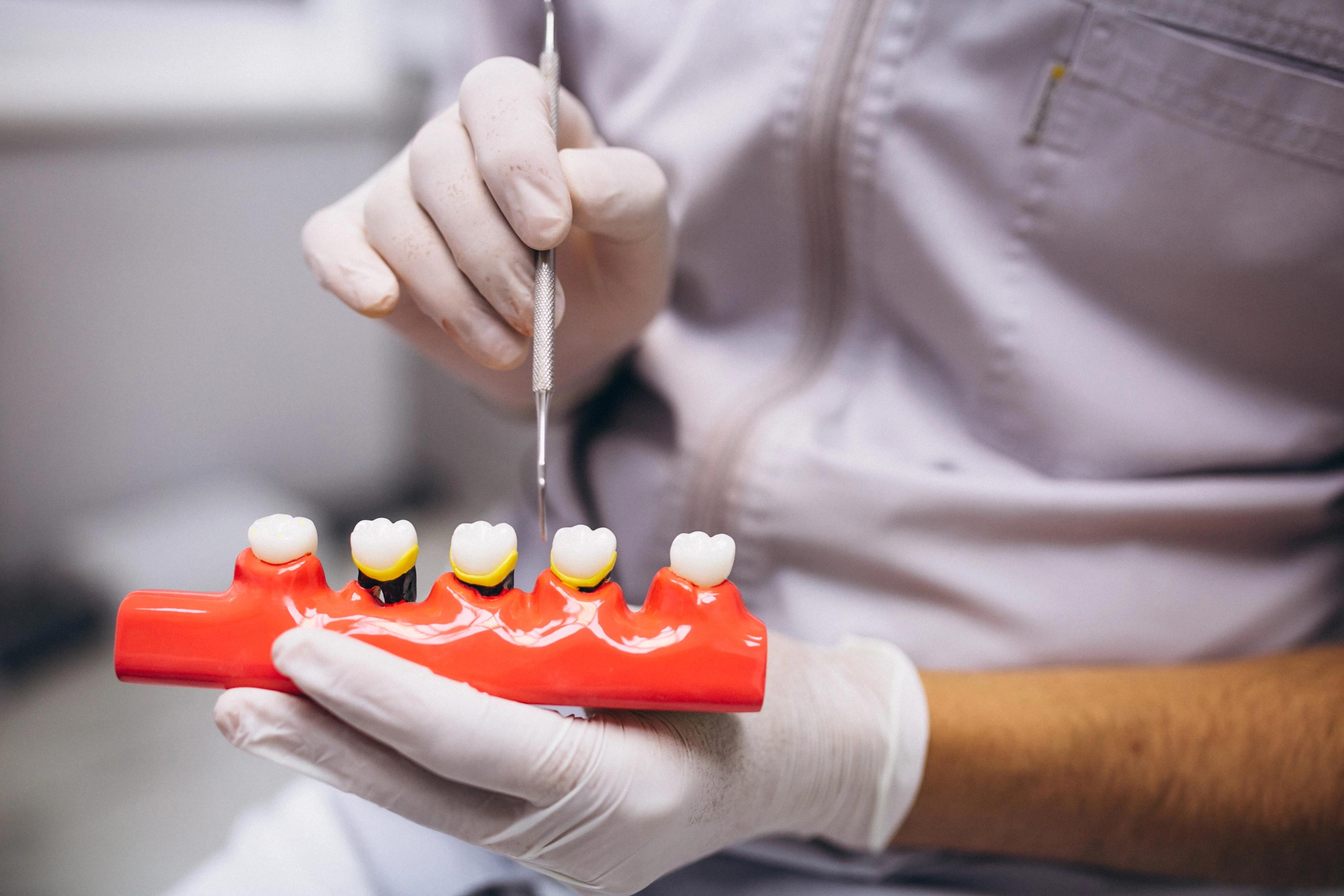
The choice of prosthetic material significantly impacts the longevity, aesthetics, and daily experience with All-on-4 dental implants, influencing factors like durability and speech. Different materials offer varying benefits and drawbacks, from temporary solutions to highly durable permanent options.
Patients often experience issues such as acrylic teeth chipping, staining, or fractured prosthetics depending on the chosen material, which directly contributes to long-term issues All-on-4 patients might encounter. For instance, PMMA (polymethyl methacrylate) is typically used for temporary prosthetics and is prone to chipping and staining, whereas Zirconia offers superior durability and aesthetics but can be more rigid and less forgiving than natural teeth. Porcelain-fused-to-metal (PFM) balances strength and appearance, though porcelain can still chip. These material differences also affect the bulkiness of the prosthetic, which can cause initial speech impediments or a lisp during the first 6-12 months as the patient adapts.
- PMMA bridges are provisional, offering initial aesthetics but are less durable against chewing forces.
- Zirconia provides excellent strength and a natural appearance, resisting stains and fractures over time.
Porcelain-fused-to-metal (PFM) offers a robust solution combining metal strength with porcelain aesthetics.
| Feature | PMMA (Provisional) | PFM (Permanent) | Zirconia (Permanent) |
|---|---|---|---|
Durability | Low | Medium-High | High |
Aesthetics | Good (initial) | Very Good | Excellent |
Cost | Lower | Medium | Higher |
Maintenance | High (prone to wear) | Moderate (chip risk) | Low (stain resistance) |
What Should Patients Know About Living with All-on-4 Beyond the Surgery?
Living with All-on-4 dental implants extends beyond the surgical phase, requiring patients to adapt to changes in speech, sensation, and food management. Many individuals initially experience a foreign object sensation due to the bulkiness of the prosthetic bridge, which can affect proprioception - the mouth's ability to sense the position and pressure of teeth.
Speech impediments, like lisping or slurring, are common in the early months post-implantation as the tongue adjusts to the new arch anatomy, often improving with practice over 6-12 months. Another frequently reported issue is food entrapment beneath the "high-water" design of the prosthetic, where food particles can get stuck between the bridge and the gum line, leading to discomfort and halitosis if not meticulously cleaned. Understanding these all-on-4 risks and long-term consequences is vital for informed decision-making.
- Speech adaptation requires active practice and patience as the mouth adjusts to the new dental volume.
- Sensory feedback may differ from natural teeth, impacting the perception of chewing forces.
Food management involves dedicated cleaning routines to prevent accumulation under the bridge.
What Are the Critical Factors for All-on-4 Success and Avoiding Complications?
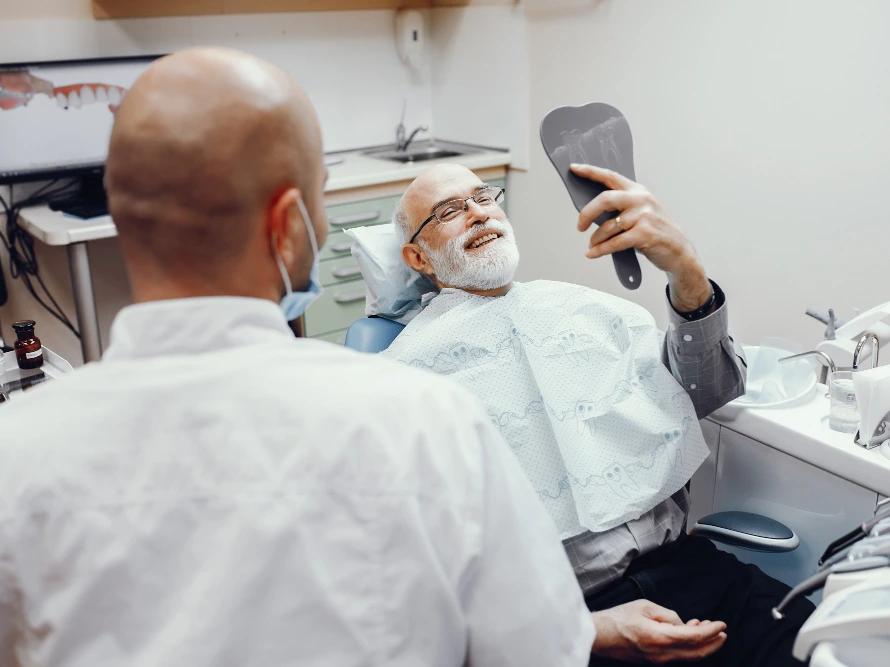
Critical factors for All-on-4 success and avoiding all-on-4 dental implant complications include precise surgical planning guided by advanced imaging, optimal bone density, and diligent post-operative oral hygiene. The initial assessment of bone quality and quantity is paramount; while All-on-4 minimises the need for extensive bone grafting, some patients with severe atrophy might still require alternatives like Zygomatic implants.
The expertise of the dental implant specialist significantly influences the all-on-4 failure rates. Clinics utilising guided surgery - computer-generated templates for implant placement - dramatically reduce the risk of malpositioning and improve long-term stability. Patients seeking treatment abroad, often in the context of dental tourism, must be particularly vigilant for red flags such as a lack of detailed 3D CT scans, "one-size-fits-all" treatment plans, or evasiveness regarding a dentist's qualifications and success rates. These can directly lead to long-term issues All-on-4 patients globally often face.
- Advanced diagnostics, such as 3D CT scans, are essential for precise implant placement.
- Oral hygiene adherence post-surgery is crucial to prevent peri-implantitis and maintain implant health.
Selecting an experienced clinician with a proven track record in guided implant surgery is paramount.
| Factor | High-Quality Clinic | Budget Clinic (Potential Risks) |
|---|---|---|
Diagnostic Imaging | Mandatory 3D CT scans | Basic X-rays, possibly no 3D scan |
Treatment Planning | Customised, guided surgery | Standardised templates, less precision |
Material Quality | Premium restorative materials | Lower-grade, less durable materials |
Post-Op Support | Comprehensive aftercare & hygiene advice | Limited follow-up, unclear support |
Surgeon Experience | Certified implantologist with specialisation | General dentist with minimal implant training |
How to Choose the Right All-on-4 Treatment for You
Choosing the right All-on-4 treatment involves careful evaluation of several key aspects to ensure both the short-term recovery and long-term success of your dental implants. Consider these points when making your decision.
- Clinician Expertise: Verify the surgeon's training, experience, and specialisation in implantology.
- Diagnostic Technology: Ensure the clinic uses 3D CT scans for precise planning and guided surgery.
- Material Options: Discuss the available prosthetic materials (PMMA, Zirconia, PFM) and their implications for durability, aesthetics, and cost.
Frequently Asked Questions
What is the typical success rate for All-on-4 implants?
Success rates for All-on-4 implants are generally high, often reported at around 98% for implant survival over 10 years, though the prosthetic bridge might require more frequent maintenance or repair.
How long does the healing process take after All-on-4 surgery?
Initial healing typically takes 2-4 weeks, but complete osseointegration, where the implants fuse with the bone, can take 3-6 months, requiring a soft diet during this period.
Does All-on-4 feel like natural teeth?
While All-on-4 provides a stable and functional substitute for natural teeth, it may not replicate the exact sensory feedback due to the absence of periodontal ligaments, leading to a foreign object sensation for some.
Can All-on-4 implants fail?
Yes, All-on-4 implants can fail due to factors like peri-implantitis, insufficient bone integration, or mechanical issues with the prosthetic, highlighting the importance of proper planning and aftercare.
What are the ongoing maintenance costs for All-on-4?
Long-term maintenance includes professional cleanings, potential repair or replacement of prosthetic components and annual check-ups, which incur costs beyond the initial surgery.
Let’s Talk About Your Smile - Free Consultation
Trusted by thousands of international patients in Albania

Final Thoughts
Making an informed decision about All-on-4 dental implants requires a thorough understanding of their benefits and potential problems, from biomechanical challenges to living with the prosthetic. This treatment offers a robust solution for full-arch restoration, yet success hinges on meticulous planning, expert execution, and diligent lifelong care. Patients must actively engage in understanding the complexities, asking pertinent questions, and preparing for the long-term commitment involved, ensuring the outcome aligns with their expectations and lifestyle.