Composite Bonding Cost Comparison: UK vs Albania vs Poland vs Turkey (2026)
Composite bonding is one of the most popular cosmetic dental treatments for improving the appearance of teeth. It is minimally invasive, reversible in many cases, and usually faster and cheaper than porcelain veneers.

TL;DR
Is composite bonding cheaper abroad than in the UK?
Yes. For the same type of treatment (direct composite bonding on front teeth), private prices abroad are commonly 50-70% lower than the UK.
- UK private price (per tooth): €250- €500 (often higher at premium cosmetic practices)
- Albania: ~€60- €150 per tooth (often the lowest European pricing including packages)
- Poland: ~€150 - €200 per tooth
- Turkey: ~€198 - £250 per tooth
Quick Like-for-Like Cost Comparison (8 Teeth)
If you’re bonding multiple teeth (e.g., 6-10), Albania usually offers the clearest “value gap” versus the UK.
| Country | Treatment | Travel & stay | Total |
|---|---|---|---|
UK | £1,700 - £3,400 | £0 | £1,700 - £3,400 |
Albania | £400 - £1,000 | £500 - £800 | £900 - £1,800 |
Poland | £1,000 - £1,350 | £500 - £800 | £1,500 - £2,150 |
Turkey | £1,350 - £1,700 | £500 - £900 | £1,850 - £2,600 |
What Is Composite Bonding?
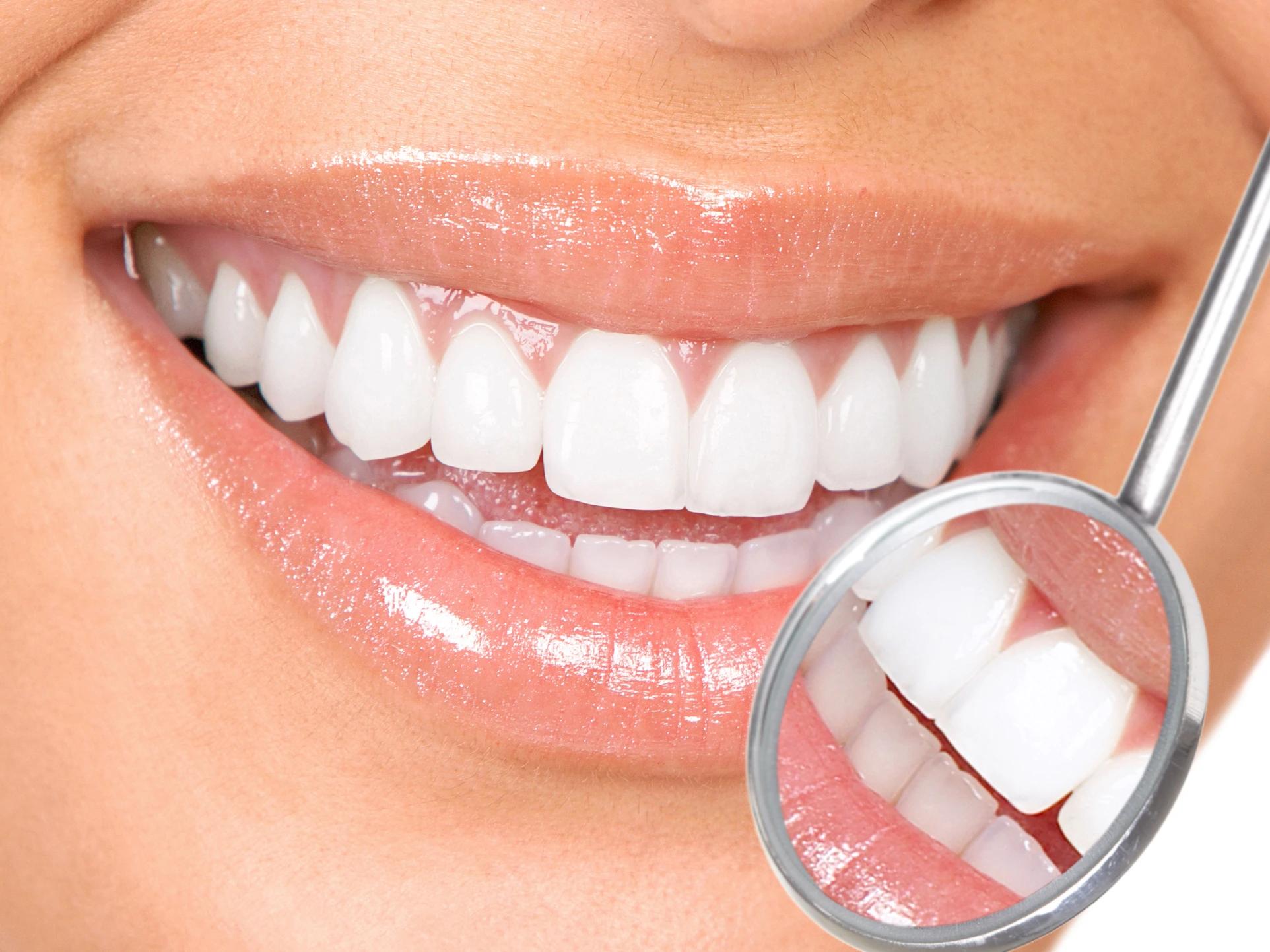
Composite bonding (also called dental or cosmetic bonding) uses a tooth-coloured resin that is shaped directly onto the tooth, hardened with a curing light, then carefully finished and polished to blend seamlessly with your smile.
The resin itself is a blend of fine glass or ceramic particles suspended in a durable plastic base. This allows the dentist to sculpt the material in layers, recreating the natural translucency, texture and subtle colour variations of real enamel. Because the resin chemically bonds to your tooth surface,it reinforces the existing structure rather than replacing it, making it a conservative cosmetic solution.
Here is what makes it most popular: composite bonding is one of the least invasive cosmetic treatments available. In most cases, the natural tooth is left largely untouched, with little to no drilling required and no need for injections or anaesthesia. This preserves healthy enamel, which is crucial for long-term oral health and future treatment options.
What can it fix?
- Chipped or worn edges
- Small gaps between teeth
- Uneven tooth shape or length
- Surface stains and discolouration
Why people choose it:
- Minimally invasive- your natural tooth stays intact
- Usually done in a single visit
- No lab work required, and repairs are straightforward if needed
References:
Let’s Talk About Your Smile - Free Consultation
Trusted by thousands of international patients in Albania

Types of Composite Bonding and What Changes the Price
Not all bonding is the same. Price reflects time, skill, and aesthetic complexity more than material cost.
From a clinical perspective, composite bonding can range from very simple functional repairs to highly artistic cosmetic work. While the composite resin itself is relatively inexpensive, the real variable is the dentist’s time, planning, and aesthetic expertise. High-end cosmetic bonding often involves detailed shade selection, layering techniques, and meticulous shaping to ensure the final result blends seamlessly with natural teeth.
Another important factor is the type of composite resin used. Modern nano-hybrid and nano-filled composites are designed to offer superior strength, polishability, and colour stability compared to older materials. These advanced composites allow dentists to recreate natural enamel translucency and surface texture, but they require greater technical skill to place correctly - one of the key reasons prices can vary widely between clinics and countries.
Small repair (one tooth)
A small chip repair can take approximately 20 - 40 minutes. This usually involves limited layering and focuses on restoring function and appearance efficiently. Because it requires less chair time and aesthetic planning, it is typically the most affordable form of composite bonding.
“Smile makeover” bonding (6–10 teeth)
This is considerably more time-intensive. The dentist must create symmetry, balance, and a harmonious smile across multiple teeth, often considering facial proportions and lip movement. The smile makeover outcome depends heavily on aesthetic judgment and experience, which is why this type of bonding commands a higher price.
Edge Bonding vs Full Bonding
Edge bonding: adds composite mainly to the biting edge and is commonly used to repair wear or subtly lengthen teeth.
Full Bonding (often referred to as composite veneers): covers most of the visible surface of the tooth. This requires advanced layering to replicate depth, translucency, and natural light reflection, making it more complex and higher cost.
Your bite and habits, grinding or clenching (bruxism), an edge-to-edge bite, or heavy bite forces can reduce the longevity of bonding. In these cases, additional planning and aftercare ,such as a custom night guard or periodic refinements, may be recommended, which can influence both overall cost and long-term maintenance.
References:
Composite Bonding Costs in the UK
Typical private UK prices
- Per tooth: €250- €500 (common published range)
- Many cosmetic clinics quote higher for complex aesthetic cases in major cities.
- In the UK, doing more teeth rarely leads to a price reduction. You may save a little, but not enough to change the overall cost profile meaningfully.
Why is composite bonding more expensive in the UK
When you're quoted £250 - £400+ per tooth in the UK, you’re not paying for expensive raw materials. You’re paying for regulated overheads and your clinicians time.
Here’s what pushes UK private prices up:
- High fixed costs
Running a UK dental practice is expensive. Think premise rent, business rates, utilities, staff wages, equipment financing, sterilisation systems and all of the material and compliance documentation required. - Stricter regulatory environment and compliance burden
UK clinics operate under tight regulations. They are inspected and regulated, and must meet rigorous standards for infection prevention, record keeping, safeguarding, and safety systems. This protects you as a patient, but it also adds significant cost to running the practice - Chair time is premium
High-quality bonding is labour-intensive. In many UK practices, chair time is the scarcest resource. If a dentist can earn more in the same timeframe doing other procedures, bonding fees are pushed up. - NHS access squeeze
As NHS dentistry access has tightened, more patients have shifted to private care. Higher demand for private appointments increases pricing power in many areas.
The key takeaway? UK prices reflect a high-cost operating environment and not superior materials such as “better resin”. Most clinics use the same brands you’d find elsewhere- you’re just also covering the cost of running a UK practice
References:
Composite Bonding Costs in Albania
What you'll pay
- Per tooth: €60 - €150 (often among the lowest in Europe)
- 8 teeth: typically €400 - €800 depending on complexity
Why Albania can charge less without cutting corners
- Lower operating costs
Dentistry is labour-intensive. Albania’s wage levels and clinic overheads are dramatically lower than the UK/US. The same 2-3 hours of skilled work can be priced far lower whilst still being profitable. - Competitive private market
Albania’s dentistry market is largely private and highly competitive. Clinics compete on price and experience to attract international patients. - International patient efficiency
Clinics that regularly treat overseas patients have streamlined their processes; consultations and treatment happen in tight, efficient timeframes. Higher patient volume can allow lower margins per case. - Materials are not the differentiator
Composite resin itself is not a major cost component. The price gap between countries is almost entirely about labour and overheads, not materials.
But what about quality?
Fair question. Yes, choosing a low-standard provider in any country can compromise quality. But in Albania, high quality cosmetic dentists often train in Western Europe, use the same internationally recognised composite brands, and follow EU-aligned protocols. That difference allows clinics to charge less without compromising outcomes.
Quality cosmetic bonding is conservative by nature and minimally invasive. Skilled dentists prioritise enamel preservation, subtle layering, and natural aesthetics, not aggressive drilling or unnecessary upselling. Many patients are surprised to find Albanian dentists are less invasive than those encountered elsewhere, precisely because the business model runs on results and referrals, not maximising per-visit revenue.
What should you look for beyond price?
Focus on these instead: a strong portfolio of before/after cases, a clear treatment plan with proper consent, transparent documentation about materials used, visible infection control standards, and a willingness to do minimally invasive dentistry.
References:
Composite Bonding Costs in Poland
What you'll pay
- Per tooth: €150 - €200 (varies by city and clinic positioning)
- Some Polish clinics list bonding from 800 PLN per tooth.
- Polish clinics are generally more flexible with volume pricing, especially for cosmetic cases involving 6-10 teeth.
Where Poland fits in the market
Higher costs than Albania - Poland’s wages and clinic overhead are typically higher than Albania’s, so prices rise accordingly.
Mature, established market - Poland has a mature dental market and has been a dental tourism destination for years. Well-known clinics can price higher than newer markets.
Still a significant gap from UK/US - Even at the higher end, Polish labour and overhead costs remain well below UK or US levels, which means meaningful savings for you.
References:
Composite Bonding Costs in Turkey
What you'll pay:
- Per tooth: €198 - £250 (varies widely)
- Many clinics offer packages for multiple teeth, sometimes including hotel and transfers
- Volume discounts are common, though they're often driven by marketing strategy rather than clinical efficiency
Key drivers:
Turkey competes aggressively for dental tourism, with many clinics using all-inclusive packages to make the process as frictionless as possible.
- Tourism model + packaging
Some clinics bundle accommodation and transport into their pricing. The “headline price” can look extremely attractive. - Wide quality range
Turkey has both excellent clinics and also very low-cost providers. The gap between top-tier and budget clinics is often larger than in Poland. - Regulatory differences
Turkey operates outside EU medical device regulations. This doesn't automatically mean lower quality, but it does mean you need to actively verify what materials and credentials the clinic uses.
References:
Like-for-Like Cost Comparison (8 Teeth)
Let’s be realistic about what you’ll actually spend. Looking at treatment prices alone doesn’t tell the full story- you need to factor in travel and accommodation.
This comparison assumes:
- Direct composite bonding on 8 teeth (a common smile makeover scope).
- A similar aesthetic goal (smile-line enhancement, colour correction, shape refinement).
- Comparable clinical steps (rubber dam or isolation, layered composite technique, curing, shaping, and high-gloss polishing).
- Treatment done by qualified cosmetic dentists, not rushed through
| Country | Typical Cost (8 teeth) | Estimated Travel Cost | Saving vs UK |
|---|---|---|---|
UK | £1,700 - £3,400 | - | - |
Albania | £400 - £1,000 | £80 - £200 | ~55 - 75% |
Poland | £1,000 - £1,350 | £60 - £150 | ~35 - 55% |
Turkey | £1,350 - £1,700 | £150 - £300 | ~25 – 45% |
If you’re treating multiple teeth, Albania’s advantage is that it often combines:
- Very low chair-time cost base
- Modern private clinics competing for international patients
- Short, efficient treatment timelines
So even after travelling, the gap often remains meaningful.
References:
Materials Used Across Countries
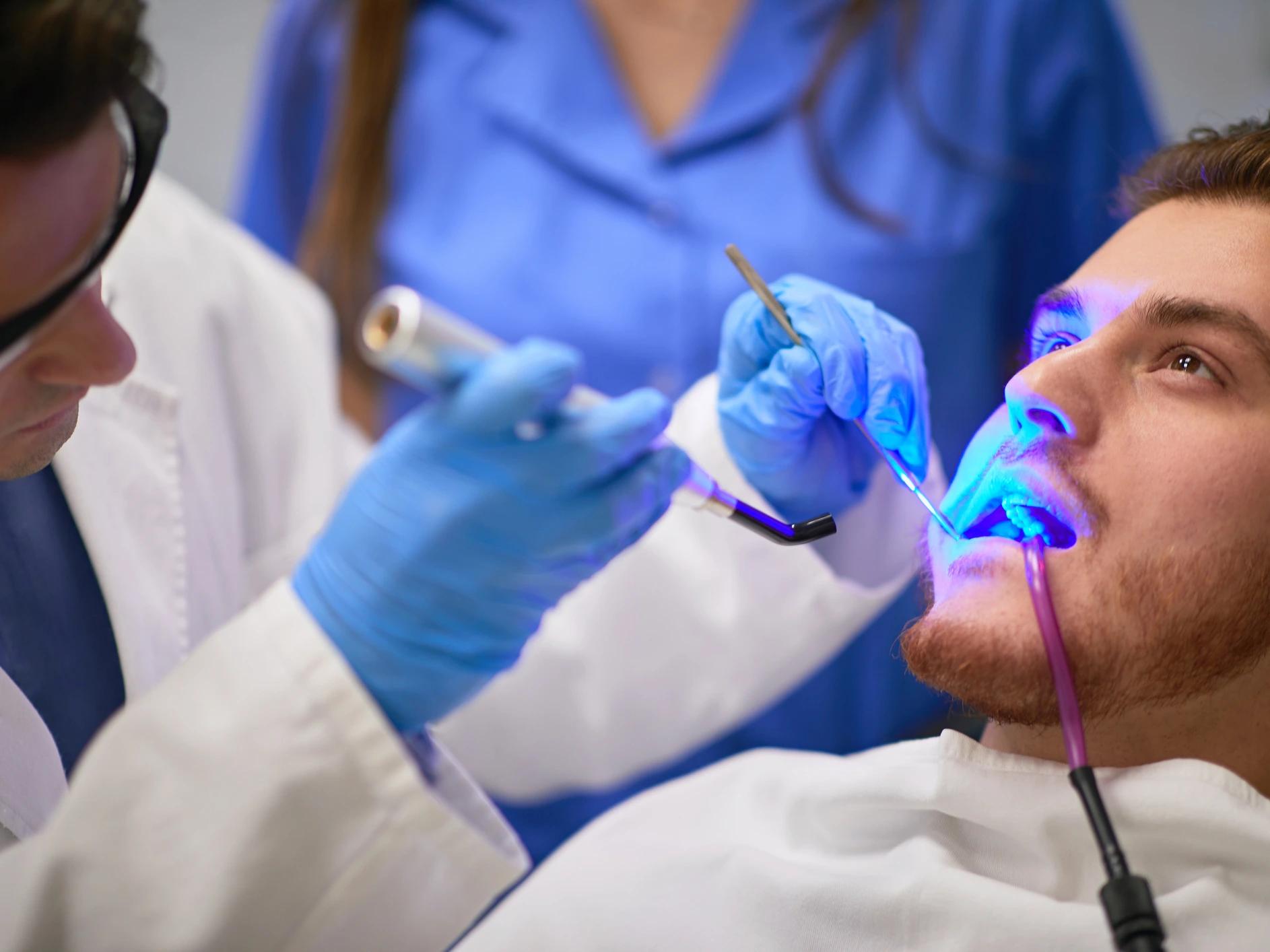
High-quality composite bonding commonly uses global brands of composite resin and bonding systems that are widely available internationally.
In the UK and EU, dental materials are regulated as medical devices and are required to meet conformity/safety requirements.
Albania isn't an EU member, but here's what you need to know: many clinics treating European and American patients use CE-marked materials. Why? Because their suppliers are often European, their patients expect recognised brands, and their reputation depends on delivering results.
How to Verify Quality
Don't just take marketing claims at face value. Ask specific, verifiable questions:
- Which composite brand will be used for treatment?
- Will they provide a written treatment record including material names?
- Do they show batch/packaging on request?
In practical terms, a reputable clinic has no problem telling you.
References:
What Is Usually Included in Overseas Bonding Prices
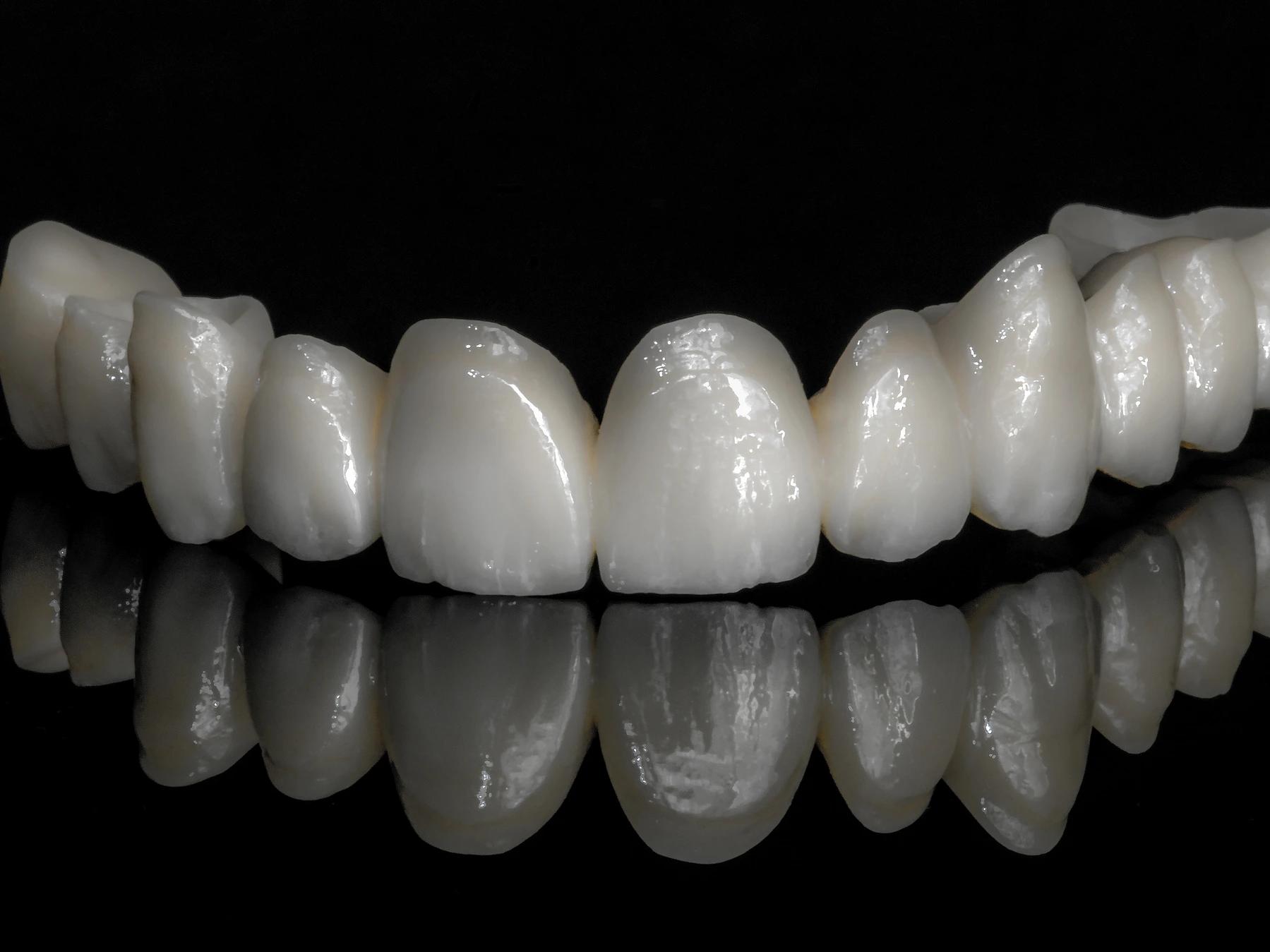
In Albania (and most dental tourism destinations), typical bonding quotes commonly include:
- Consultation and clinical assessment
- Composite bonding itself (per-tooth or package)
- Shaping, finishing, polishing
- A short-term review/adjustment during your stay
Some clinics may bundle:
- Hotel accommodation
- Airport transfers
- Panoramic X-ray
What you should do to avoid surprises
Ask for a list of inclusions, and specifically ask:
- Are X-rays included?
- Is a hygiene/clean included or extra?
- Are bite adjustments included?
- What happens if you need a small revision before you fly?
What Is Not Always Included
Even reputable clinics can quote bonding correctly while other things remain separate.
Common extras (any country):
- Flights
- Accommodation (unless a package explicitly includes it)
- Travel insurance
- Extra dental work discovered during exam (e.g., fillings, gum treatment)
- Whitening (often recommended before bonding if you want a lighter shade)
- Night guard if you grind/clench
References:
GDC - Guidance for Patients: Going Abroad for Dental Treatment
Treatment Timeline and Travel Suitability
The logistics of getting treatment abroad matter just as much as the cost savings. Here's what you need to know.
Treatment timeline:
One of composite bonding's biggest advantages is that it's typically a one-trip procedure. No waiting for lab work and no multiple visits spread over months.
Here's how a typical Albania trip might look:
Day 1: You'll have your consultation, any necessary scans or photos, and often start the bonding work the same day.
Day 2: Complete the bonding, finishing, and polishing.
Day 3: Optional check/adjustment (recommended buffer)
Will you need to go back later?
Usually not for planned steps. If people return later, it's usually because they want additional cosmetic changes down the line, need a minor chip repair years later (which you can often get done locally), or want a refresh and polish after several years.
Total Cost Comparison (Treatment + Travel)
The honest way to decide is to compare total cost, not only the clinic quote.
A simplified example for a multi-tooth case:
- UK treatment: high (and scales directly with number of teeth)
- Travel: mostly fixed
So once you’re doing 6-10 teeth, travel becomes a smaller share of total spend - and the Albania savings usually remain significant.
| Country | Treatment | Travel & stay | Total |
|---|---|---|---|
UK | £2,000+ | £0 | £2,000+ |
Albania | £700 - £900 | £500 - £800 | £1,200 - £1,700 |
Poland | £900 - £1,200 | £500 - £800 | £1,400 - £2,000 |
Turkey | £900 - £1,200 | £500 - £800 | £1,400 - £2,000 |
Why Albania is the clearest choice in many cases
- The treatment price is often the lowest
- The trip is short (Europe access)
- Even when you add travel, the gap vs UK often remains meaningful
Aftercare, Maintenance, and Longevity
Composite bonding commonly lasts several years, but longevity depends on habits (coffee/tea/smoking), bite forces, and maintenance.
UK dentists regularly see patients who have had treatment abroad.
What to expect:
- A UK dentist will provide check-ups, hygiene, polishing, and repairs if needed.
- They may not “warranty” overseas work (that’s normal), but they can maintain it.
Some Albanian clinics will support you after you fly home. They should offer:
- Post-treatment contact (WhatsApp/email)
- Advice and triage if you have a concern
- Clarity on what is included in the initial quote vs later repairs
References:
Decision-Making Checklist
The best decision isn’t “which country is cheapest,” it’s “which option gives me the highest confidence per pound/euro.”
Here’s a practical checklist for a multi-tooth bonding case:
| Factor | UK | Albania | Poland | Turkey |
|---|---|---|---|---|
Typical bonding price | High | Lowest | Medium | Medium |
One-trip suitability | Yes | Yes | Yes | Yes |
Material transparency (if reputable clinic) | High | High | High | Variable |
Quality consistency market-wide | High | High | Medium-High | Medium |
Package convenience | Low | Medium | Medium | High |
Best fit if you want max value | No | Yes | Sometimes | Sometimes |
Albania is a strong choice when:
- You’re bonding multiple teeth (6 - 10)
- You want the biggest cost gap vs UK/US
- You choose a clinic with transparent materials, portfolio, and conservative planning
Patient Journey
Lister, a UK patient seeking composite bonding, chose Dental Tourism Albania for treatment abroad. She received a plan for 10 teeth at €100 per tooth, and we coordinated her care with a trusted partner clinic, supporting her throughout the process.

Her experience included:
- 10 composite bonding units completed in 2 appointments
- Immediate, natural-looking results
- Assistance with flights and short-stay accommodation (approx. €350)
Total spend: around €1,350, still significantly lower than UK private treatment
Lister returned to the UK with a confident new smile and full aftercare guidance.
Frequently Asked Questions
If Albania is so much cheaper, what’s the catch?
There usually isn't one- at least not in the materials. The "catch" is simply that you need to choose carefully. Albania's lower prices are driven by lower operating costs, not corner-cutting. Your job is to pick a clinic that's transparent about what they use, can show you real before-and-after results, and provides proper documentation.
Will my dentist at home help me if the bonding was done abroad?
In most cases, yes. They may not provide a warranty on someone else’s work, but they can check, polish, and repair bonding when needed.
How many trips do I need for composite bonding?
Typically one trip. Bonding is direct and doesn’t require a healing phase. Many patients plan 2-4 days to allow for an adjustment visit before leaving.
What should I ask the clinic to avoid surprises?
Ask for an itemised quote and confirm:
- Are x-rays/scans included?
- Is a review/adjustment included?
- What is excluded (whitening, fillings, night guard)?
- What aftercare support is offered remotely?
Final Thoughts
Composite bonding is one of the smartest choices for dental tourism because it ticks all the boxes: it's conservative (usually no drilling), completed quickly (no lengthy healing periods), and easy to maintain or repair later if needed.
If you're looking to treat multiple teeth and want clear, substantial savings compared to UK or US pricing, Albania consistently offers the best value.
The smartest approach looks like this:
- Choose a clinic based on outcomes and transparency (not just price).
- Get a written plan and itemised quote.
- Build in a 1-day buffer for adjustments.
- Plan local maintenance at home (polish/check-ups)
Let’s Talk About Your Smile - Free Consultation
Trusted by thousands of international patients in Albania
References:
Bupa - Composite Bonding Treatment Guide
MouthHealthy - Composite Fillings Overview
NHS - How Much NHS Dental Treatment Costs
CQC - Guidance for Dental Providers
GDC - Guidance on Professional Indemnity and Insurance (PDF)
The Guardian - UK patients unable to get dental care after ‘eye-watering’ rise in private fees
World Bank - Current Health Expenditure per Capita (US$)
OECD Health Statistics - Data and Datasets
Narodowy Bank Polski - Exchange Rates & Financial Statistics
Eurostat - Healthcare Expenditure Statistics
EMA - Human Regulatory Overview: Medical Devices
OECD - The Future of Health Systems
WHO European Health Information Gateway - Türkiye Country Profile
Frontiers in Dental Medicine - Medical Device Regulation (MDR) from a Dental Perspective
GDC - Going Abroad for Dental Treatment (Guidance for Patients)
Author

Marcela Shehu
Marcela Shehu is the Co-Founder of Dental Tourism Albania and a UK-based patient coordinator specialising in cross-border dental care. She lives in London and splits her time between London and Tirana, giving her first-hand insight into both UK patient expectations and the standards of leading dental clinics in Albania.
Marcela works closely with carefully vetted clinics in Tirana, supporting patients with treatment planning, travel coordination, and aftercare guidance. Through the blog, she shares practical insights on dental procedures, cost comparisons, and how to safely plan dental treatment in Albania with confidence.