Screwless Dental Implants: What Are They?
Screwless dental implants feature a crown attached without a visible screw, offering a seamless, natural appearance, making them a great choice for patients prioritising aesthetics and a natural feel.
TL;DR
Screwless dental implants, also known as cement-retained or friction-fit systems, secure the visible crown to the implant post in the jawbone without a screw passing through it, distinguishing them from traditional screw-retained implants by providing a smooth, uninterrupted tooth surface with enhanced aesthetics and reduced mechanical complications, though specific types carry technique-dependent risks like excess cement.
Quick Tips
- Prioritise aesthetics for front teeth.
- Discuss excess cement risk with your dentist.
- Consider friction-fit for strong bacterial seal.
What Are Screwless Dental Implants?
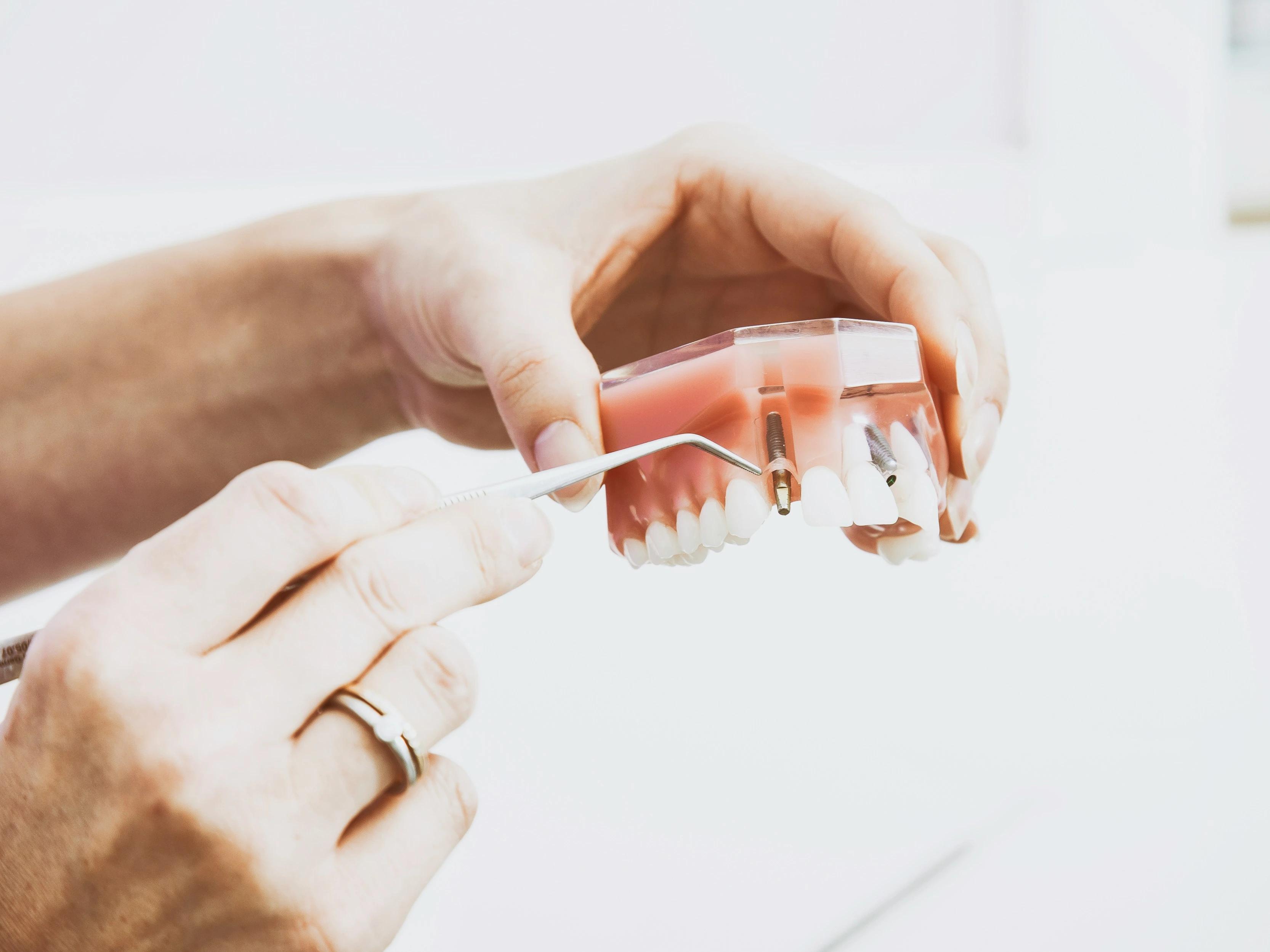
Screwless dental implants are a type of implant system where the final artificial tooth attaches to the implanted post without a screw being visible on the crown’s surface, improving aesthetics and comfort. These innovative systems still use a titanium post, just like conventional implants, but the method of crown attachment is designed for a seamless look. This approach eliminates the small access hole typically seen in screw-retained crowns, offering a more natural appearance.
- The foundational titanium implant post, surgically placed into the jawbone, remains identical to traditional dental implants.
- The major difference is the innovative way the crown connects to the implant, often using a secure, internal locking taper or cement.
- This design completely does away with the tiny, tooth-coloured filling that usually covers the screw access on typical screw-retained crowns.
Sources:
AFFORDABLE IMPLANT PROSTHETICS: USING A SCREWLESS IMPLANT SYSTEM - ScienceDirect
What Is the Design Philosophy Behind Them?
The design philosophy behind screwless dental implants is to create a seamless, uninterrupted tooth surface that often improves aesthetics and biological integration. Screwless systems, like those using friction-fit, simplify the structure by connecting a solid post directly to a solid abutment, removing the internal screw entirely for a smoother finish.
- Traditional screw-retained designs typically feature an implant post, an abutment, a retaining screw, and a crown with an access hole for the screw.
- In contrast, screwless systems, especially friction-fit types, simplify this structure by connecting a solid post directly to a solid abutment, removing the internal screw.
- This design choice provides a seamless, uninterrupted tooth surface, which significantly influences both the implant's appearance and its biological interaction with surrounding tissues.
Let’s Talk About Your Smile - Free Consultation
Trusted by thousands of international patients in Albania

Visual Comparison: Screwless vs. Traditional Implants
Understanding the physical appearance of screwless versus traditional implants is key to appreciating their aesthetic differences. While the underlying implant post inserted into the jawbone is virtually identical, the way the final crown is secured and appears in the mouth varies significantly.
A traditional screw-retained implant system presents a crown with a small, circular access hole on its biting surface (occlusal) or lingual (tongue-side) aspect. This hole allows the dentist to insert a screwdriver to tighten the screw that connects the crown to the abutment, which is then connected to the implant post. After the crown is secured, this hole is typically filled with a tooth-coloured composite resin. While this filling is usually matched to the tooth, it can sometimes be visible, especially on front teeth or if the shade matching is imperfect. Over time, the filling material can wear, discolour, or even chip, making the screw access hole more noticeable.
In stark contrast, screwless dental implants, whether cement-retained or friction-fit, offer a monolithic, uninterrupted crown surface. With a cement-retained crown, the abutment is first screwed into the implant, and then the crown is permanently cemented onto the abutment, much like a regular dental crown on a natural tooth. There is no screw access hole on the visible surface of the crown. Similarly, friction-fit systems achieve their connection via a tapered fit between the abutment and the implant, or the crown and the abutment, also eliminating any visible screw access. The result is a uniformly smooth, natural-looking tooth restoration that perfectly mimics the contours and appearance of an adjacent natural tooth, making it virtually indistinguishable from real dentition, particularly in the highly aesthetic front smile zone.
Sources:
Design and the future of locking-taper screwless and cementless dental implants: a narrative review
(PDF) Screw-less and Cement-less Retrievable Implant Prosthetic Systems-A Review
How Do Screwless Systems Actually Work?
Understanding how screwless dental implants work involves recognising two primary mechanical mechanisms: chemical cementation and friction-fit conometry, which both ensure long-term stability without a visible screw. Friction-fit systems, in particular, rely on a unique conometric geometry where a tapered abutment fits perfectly into a matching socket in the implant body. This precision fit, often supported by cold welding under chewing forces, creates a hermetic seal against bacteria, which is crucial for peri-implant tissue health. Other systems use dental cement, similar to how natural tooth crowns are bonded, requiring careful application to avoid complications.
- Friction-fit systems utilise a tapered design that locks components together.
- This creates a hermetic seal against bacteria at the implant-abutment junction.
- Cement-retained implants bond the crown using high-strength dental cement.
What Are the Benefits and Risks?
Screwless dental implants offer superior aesthetics and a more natural feel by eliminating the screw access hole, enhancing patient comfort and oral hygiene. Many patients report that these crowns feel more like their natural teeth. However, no dental solution is without trade-offs; cement-retained implants carry a risk of excess cement residue, which can cause inflammation and potential implant failure if not meticulously removed. Furthermore, screwless crowns can be more difficult to remove or repair if damaged, potentially leading to increased time and cost for future dental work.
| Risk/Benefit | Screw-Retained | Cement-Retained (Screwless) | Friction-Fit (Screwless) |
|---|---|---|---|
Aesthetics | Good | Excellent | Excellent |
Retrievability | High | Low (may require cutting) | Moderate (can sometimes be tapped) |
Screw Loosening Risk | Possible | Not applicable | Not applicable |
Excess Cement Risk | None | Medium (requires careful management) | None |
- Superior aesthetics result from an uninterrupted, smooth crown surface.
- They offer a natural feel and simplify daily oral hygiene.
- Excess cement is a significant risk for cement-retained implants.
Sources:
(PDF) Screw-less and Cement-less Retrievable Implant Prosthetic Systems-A Review
How to Choose the Right Treatment for You
Selecting the appropriate dental implant treatment involves a careful evaluation of aesthetic goals, bite forces, and potential maintenance.
- Assess Aesthetic Needs: For front teeth in the smile zone, screwless implants provide a seamless, natural look due to the absence of a screw access hole.
- Evaluate Bite Forces: If you grind or clench your teeth heavily, traditional screw-retained implants might be more suitable due to their easier retrievability and higher resistance to lateral forces.
- Discuss Cement Management: For cement-retained options, inquire about the dentist's technique for thoroughly removing excess cement to mitigate cementitis risk.
Frequently Asked Questions
Are screwless dental implants truly screw-free?
Not entirely. "Screwless" refers to how the crown attaches without a visible screw. The implant post is still surgically placed into the jawbone, and some systems have a screwed abutment beneath the gum line.
Can screwless implants be removed if something goes wrong?
Yes, but it is more complex than with screw-retained implants. Cement-retained crowns may need cutting off, while friction-fit systems can sometimes be separated using specialised instruments.
Are screwless implants safer than screw-retained ones?
Neither is inherently safer, both have high success rates. Risks differ: screw-retained implants risk screw loosening, while cement-retained variants risk inflammation from excess cement.
Do screwless implants work for full-mouth restorations?
While possible, many clinicians prefer screw-retained systems for full-arch cases like All-on-4, due to their easier retrievability and maintenance access. Your dentist will advise on the best approach for your specific needs.
Final Thoughts
Making an informed decision about what are screwless dental implants for your smile means weighing up their fantastic aesthetic benefits against specific risks and maintenance considerations. Screwless implants are brilliant for a natural look, particularly on front teeth, offering a smooth finish for a gorgeous smile. Make sure to chat with your dentist openly about all the options. They'll help you pick the best system for your specific situation.
Let’s Talk About Your Smile - Free Consultation
Trusted by thousands of international patients in Albania
References:
AFFORDABLE IMPLANT PROSTHETICS: USING A SCREWLESS IMPLANT SYSTEM - ScienceDirect
Design and the future of locking-taper screwless and cementless dental implants: a narrative review
(PDF) Screw-less and Cement-less Retrievable Implant Prosthetic Systems-A Review
Recent Progress in Materials | Clinical Significance of Internal Friction Connection and Micro-Threads in Implant-Supported Prostheses: A Literature Review
Author

Dr. Aida Zhupani
Dr. Aida Zhupani completed her studies at the Faculty of Medical Sciences, Department of Somatology. As the founder of Zeus Dental Clinic, she is dedicated to providing professional, compassionate, and high-quality dental care. With a patient-centered approach and years of experience, Dr. Zhupani focuses on helping people feel comfortable and confident in their smiles. Her passion for dentistry and commitment to continuous learning inspire the insights she shares through this blog.