
The Ultimate Guide to Gum Contouring: Everything You Need to Know
This is where science meets artistry in periodontology. We’re diving deep into the world of gum contouring (also known as gum reshaping). You’ve probably seen those dramatic “before and after” smile transformations-where teeth once looked short, uneven, or hidden behind excess gum tissue, and suddenly the smile appears balanced, symmetrical, and harmonious.

TL;DR
Gum contouring is a cosmetic and sometimes therapeutic dental procedure that reshapes excess or uneven gum tissue to improve smile aesthetics and gum health.
Modern techniques use lasers or minimally invasive surgical tools for precision, faster healing, and minimal discomfort. It’s ideal for correcting a “gummy smile,” uneven gum lines, or excessive gingival display.
With proper diagnosis and periodontal health, results are long-lasting and can dramatically enhance facial harmony.
Quick Tips
Always get a full periodontal evaluation before cosmetic gum reshaping. Healthy foundations matter.
Ask whether your case requires crown lengthening (biologic width considerations) or simple soft-tissue recontouring.
If aesthetics are the goal, digital smile design planning ensures ideal symmetry before any tissue is removed.
What Is Gum Contouring?
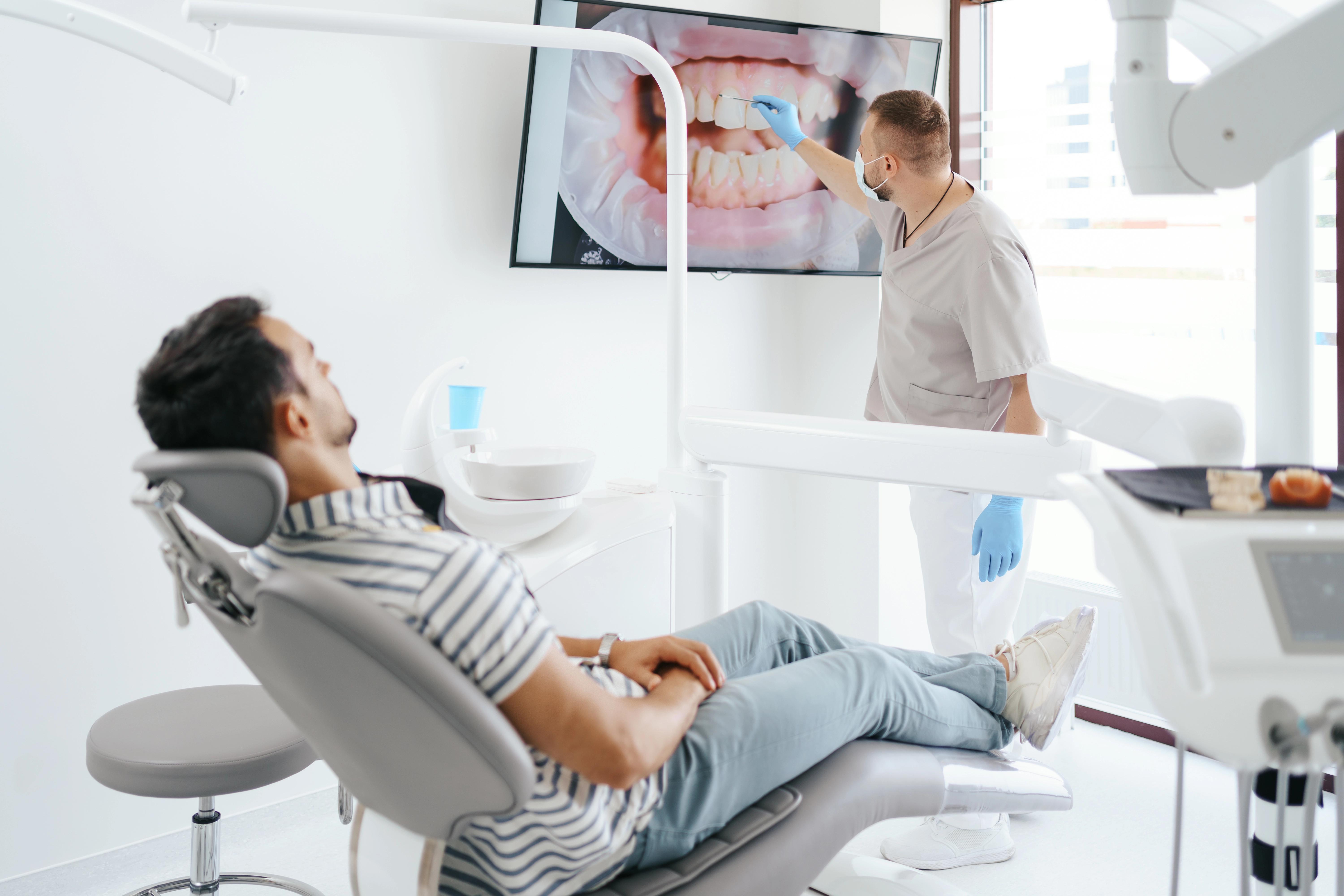
Gum contouring, medically known as gingivoplasty or gingival contouring, is a procedure that reshapes the gum line to improve either aesthetics, periodontal health, or both.
In cosmetic cases, it’s commonly used to correct:
- A “gummy smile” (excessive gingival display)
- Uneven or asymmetrical gum lines
- Teeth that appear short or square due to excess soft tissue
In functional cases, it may be performed to remove diseased tissue or to allow proper placement of crowns and veneers.
Modern gum contouring is typically performed using soft tissue lasers or electrosurgery, which allow for high precision, minimal bleeding, and faster healing compared to traditional scalpel techniques.
Sources:
Who Is a Good Candidate for Gum Contouring?
You may be an excellent candidate if:
- You show more than 3-4 mm of gum tissue when smiling
- Your teeth look “short” but are actually covered by excess gum tissue
- Your gum line is uneven
However, not everyone qualifies.
Patients with active periodontal disease, uncontrolled diabetes, or poor oral hygiene must first stabilize their condition. In cases where excessive gingival display is caused by skeletal jaw discrepancies or hyperactive lip movement, orthognathic surgery or lip repositioning may be more appropriate.
A multidisciplinary approach (periodontist + prosthodontist) often delivers the best aesthetic outcome.
Sources:
What Are Gum Contouring Pros and Cons?

Like any dental procedure, gum contouring has advantages and limitations.
| Feature | Pros | Cons |
|---|---|---|
Aesthetics | Creates symmetry and longer-looking teeth | Requires precise diagnosis |
Healing | Fast recovery, especially with laser | Temporary tenderness |
Longevity | Long-lasting results | Good oral hygiene is essential |
How Is Gum Contouring Performed?
The procedure usually takes one appointment.
Step 1: Digital Smile Planning
Photos and digital scans determine the ideal gingival margins.
Step 2: Local Anesthesia
The area is fully numbed.
Step 3: Tissue Reshaping
Using a dental laser or precision surgical instruments, excess tissue is removed and sculpted.
Step 4: Evaluation of Biologic Width
If necessary, minor bone reshaping (crown lengthening) ensures long-term stability.
Step 5: Healing Phase
Laser cases often require no sutures. Healing typically occurs within 1-2 weeks.
“”Precision in gingival contouring is not about removing tissue, it’s about creating harmony between teeth, gums, and lips.
– Contemporary Periodontal Principle
What Is the Typical Gum Contouring Price?
Costs vary significantly depending on:
- Whether bone reshaping is required
- Laser vs scalpel technique
- Number of teeth treated
- Geographic location
| Location | Estimated Cost (Per Arch) |
|---|---|
UK / Western Europe | €1.000 - €3.000 |
Turkey | €400 - €900 |
Albania | €250 - €500 |
Dental tourism destinations often offer high-quality periodontal care at significantly reduced costs, especially when combined with veneers or smile makeover treatments.
Sources:
Let’s Talk About Your Smile - Free Consultation
Trusted by thousands of international patients in Albania

How Does Gum Contouring Compare to Other Treatments?
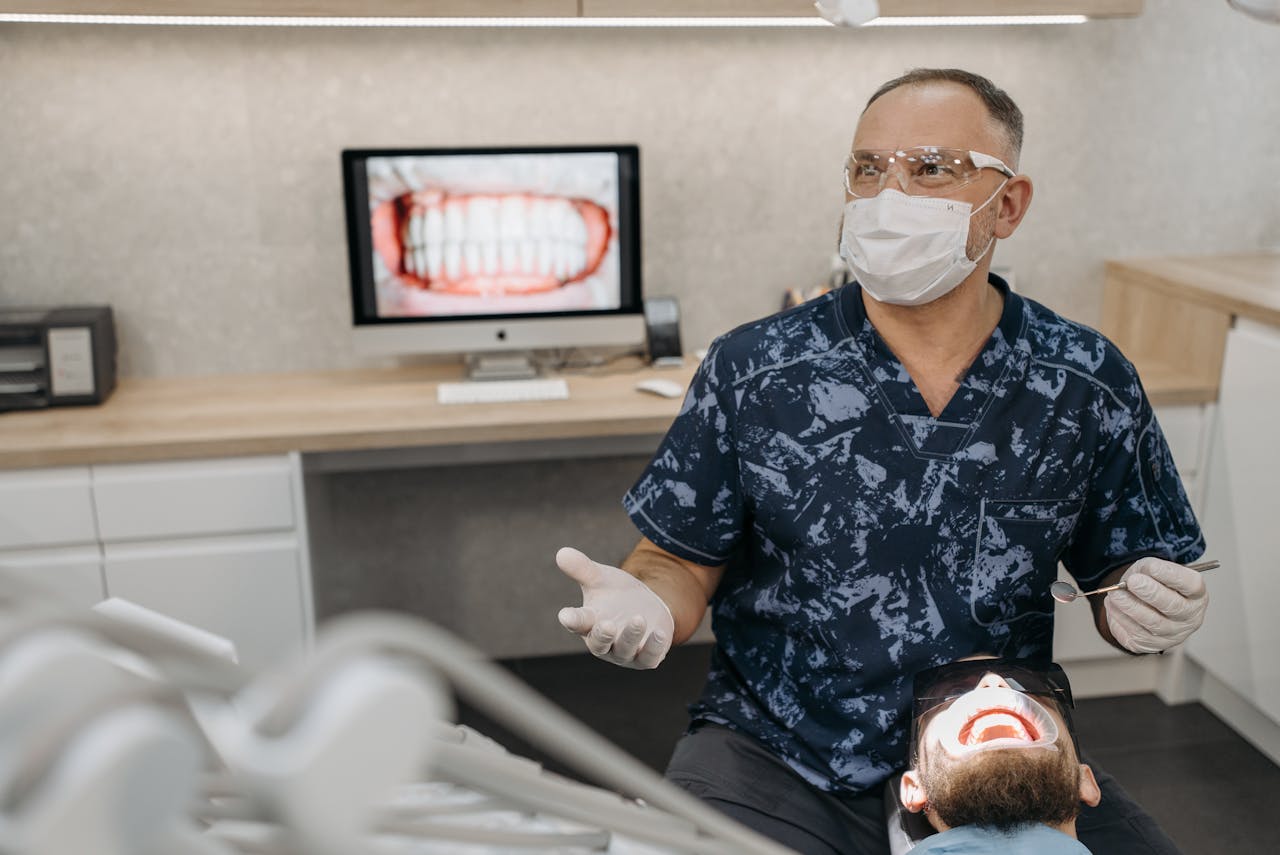
Sometimes gum contouring alone isn’t the solution.
| Condition | Best Treatment |
|---|---|
Excess soft tissue | Gum Contouring |
Bone-related short teeth | Crown Lengthening |
Skeletal discrepancy | Orthognathic Surgery |
Hyperactive upper lip | Lip repositioning surgery |
Proper diagnosis determines the correct pathway.
How Do I Care for My Gums After Contouring?
Post-operative care is simple but critical.
- Avoid spicy and hard foods for 3-5 days
- Use chlorhexidine mouth rinse if prescribed
- Brush gently with a soft-bristled brush
- Avoid smoking during healing
Healing is typically complete within 7-14 days.
Sources:
How Long Do Results Last?
Results are generally permanent because removed gingival tissue does not regenerate in the same form.
Long-term stability depends on:
- Maintaining periodontal health
- Proper biologic width management
- Good oral hygiene
Studies show crown lengthening and gingivoplasty procedures maintain stable gingival margins for many years when properly executed.
Sources:
Final Thoughts
Gum contouring is one of the most underestimated smile-enhancing procedures in modern dentistry. Sometimes, the teeth are perfectly healthy and beautiful, the gum line simply needs refinement.
When performed with proper diagnosis, biologic respect, and artistic planning, gingival contouring can transform a smile in a single appointment.
If you feel your smile shows too much gum or looks uneven, a consultation with a skilled periodontist may be the first step toward balance, symmetry, and confidence.
A harmonious smile isn’t just about white teeth. It’s about proportion.
References:
- Surgical Procedures - American Academy of Periodontology
- Dimensions and Relations of the Dentogingival Junction in Humans - Gargiulo - 1961 - The Journal of Periodontology - Wiley Online Library
- Surgical crown lengthening: a 12-month clinical wound healing study - PubMed
- The aesthetic smile: diagnosis and treatment - GARBER - 1996 - Periodontology 2000 - Wiley Online Library
- Surgical Crown Lengthening: A 12‐Month Clinical Wound Healing Study - Pontoriero - 2001 - Journal of Periodontology - Wiley Online Library
- Osseous Surgery for Crown Lengthening: A 6‐Month Clinical Study - Deas - 2004 - Journal of Periodontology - Wiley Online Library
- Tooth Crown Procedure | Bupa Dental Care
- Gum disease - NHS
- For Patients - American Academy of Periodontology
- Clinical indications for the use of chemical adjuncts to plaque control: chlorhexidine formulations - PubMed
Frequently Asked Questions
Is gum contouring painful?
The procedure is performed under local anesthesia. Most patients report only mild discomfort afterward.
Will my gums grow back?
No. Removed tissue does not regenerate in the same way.
Can it be combined with veneers?
Yes. In fact, gum contouring is often performed before placing veneers to create ideal symmetry.
How long does it take to heal?
Most patients heal within 1-2 weeks.
Author

Dr. Aida Zhupani
Dr. Aida Zhupani completed her studies at the Faculty of Medical Sciences, Department of Somatology. As the founder of Zeus Dental Clinic, she is dedicated to providing professional, compassionate, and high-quality dental care. With a patient-centered approach and years of experience, Dr. Zhupani focuses on helping people feel comfortable and confident in their smiles. Her passion for dentistry and commitment to continuous learning inspire the insights she shares through this blog.