Tirana Teeth: What Are They, How Much Do They Cost and Are They Safe?
A plain explanation of the "Tirana teeth" nickname, what treatment in Albania actually costs compared with the UK, how safe it is, and how it differs from Turkey teeth.
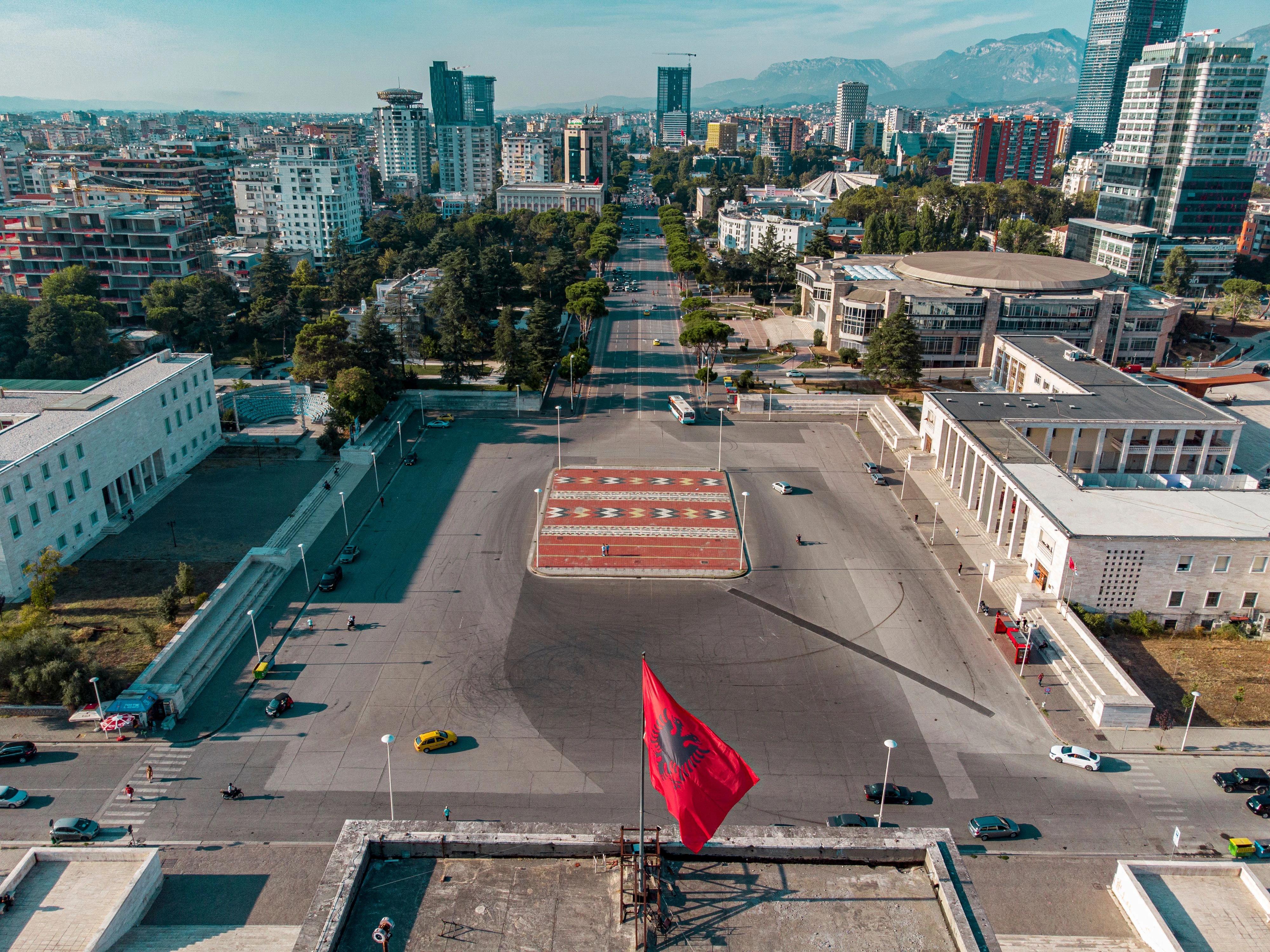
"Tirana teeth" is the nickname now attaching itself to dental work done in Albania's capital, much as "Turkey teeth" attached itself to Istanbul and Antalya. If you have just come across the phrase, you probably want three things: a plain explanation, a realistic price, and an honest answer on safety. This guide covers all three.
TL;DR
- "Tirana teeth" is an informal nickname for dental treatment carried out in Tirana, usually implants, crowns, or veneers. It is not a procedure or a brand.
- A single dental implant in Albania typically costs around €600 (about £516), roughly a quarter of common UK private prices.
- Tirana's metropolitan area has almost 400 dental clinics for around 600,000 residents, so standards and ethics vary widely between them.
- The real risk is not the destination. It is a treatment plan that cuts down healthy teeth, or a clinic with no realistic aftercare.
Quick tips before you book
- Get a written treatment plan naming materials, number of visits, and total cost before you book a flight.
- Insist on a CBCT scan or X-rays before any implant or crown work is agreed.
- Ask whether the plan involves filing down healthy teeth. If it does, ask why, in writing.
- Budget for two trips. Implants need months of healing between placement and the final crowns.
What are Tirana teeth?
"Tirana teeth" is an informal nickname, not a treatment. The phrase entered wider use after a BBC report in September 2026 on UK patients travelling to Albania's capital for new smiles, which described a window cleaner from Bolton as the proud owner of a sparkling new set of "Tirana teeth". It has stuck because it echoes "Turkey teeth", the label that has followed cosmetic dental work in Turkey since 2022.
In practice the term covers whatever that particular patient had done: usually dental implants to replace missing teeth, or crowns and veneers to change the appearance of the front teeth.
References
Tirana teeth vs Turkey teeth: what is the difference?
“Turkey teeth” is a popular term for a fast cosmetic makeover, usually a full set of veneers or crowns completed in one trip. Turkey has many excellent clinics, and the term describes a style of treatment, not a country. The concern is cases where healthy teeth were reshaped for crowns when patients expected thin, conservative veneers, which cannot be undone. A British Dental Journal review of 131 UK newspaper articles found the coverage was mostly tabloid and often confused the two.
Tirana is a newer and smaller destination, which for many patients means less of a package-deal approach and more personal attention. Because its reputation is still being built, we encourage you to check everything: ask for a written plan, confirm whether veneers or crowns are proposed, verify credentials, and get materials and warranty in writing. It is the kind of careful research that has already led some UK patients to consider Tirana, as the BBC has reported.
References
Why is Tirana attracting international dental patients?
Price is the obvious draw, but capacity and geography matter too. Tirana's metropolitan area has almost 400 dental clinics serving a population of around 600,000, far more than local demand requires. Dozens now run websites and signage in English and Italian specifically to reach patients from abroad.
The city is also a short, inexpensive flight from most UK airports, and treatment can be folded into a holiday on the Albanian coast. Prime Minister Edi Rama told the BBC that international arrivals have more than doubled in five years and that medical tourism is a new industry showing big potential, while acknowledging that regulation is still playing catch-up. Our wider look at why Albania has become a dental care destination sets out the longer backstory.
References
What treatments do patients travel to Tirana for?
Most cases fall into three groups.
- Replacing missing teeth. Dental implants are the single most common reason UK patients travel, with full-arch options such as All-on-4 and All-on-6 widely offered.
- Repairing damaged teeth. Composite bonding uses tooth-coloured resin to repair chipped, cracked, or slightly damaged teeth while preserving natural tooth structure.
- Changing appearance. Veneers and whitening sit at the cosmetic end, often packaged as a smile makeover.
The distinction matters more than the price. Implants replace missing teeth and restore function, while composite bonding repairs minor damage or improves appearance with minimal alteration to natural teeth. Veneers on healthy teeth are primarily cosmetic, and any enamel removed cannot grow back.
How much do Tirana teeth cost compared with the UK?
Dental implants in Albania are typically around €600 (about £516) per tooth, similar to Turkish pricing. The BBC notes the same treatment in the UK, France, or Germany can easily cost four times as much. UK private implant prices commonly run from £1,400 to £3,500 per tooth, and Bupa quotes around £2,400 for an implant with abutment and crown.
The NHS does not routinely fund implants placed for appearance. Band 3 NHS treatment in England, which covers crowns, bridges, and dentures, costs £332.10 per course of treatment, but access and waiting times are the obstacle for most people rather than the fee. For a treatment-by-treatment breakdown, see our dental crown cost comparison.
Price the whole trip rather than the headline figure: flights, accommodation, a probable second visit, and any UK follow-up care.
References
Dental treatment costs: Albania vs the UK (2026)
Typical ranges, not quotes. Always ask your clinic for a written treatment plan.
| Treatment | Albania (typical) | UK (typical private) |
|---|---|---|
Single dental implant | Around €600 (about £516) per tooth | £1,400–£3,500 per tooth |
Implant with abutment and crown | Quoted per case by the clinic | From around £2,400 |
Crowns, bridges, and dentures on the NHS | Not applicable | £332.10 per Band 3 course of treatment (England) |
Are Tirana teeth safe?
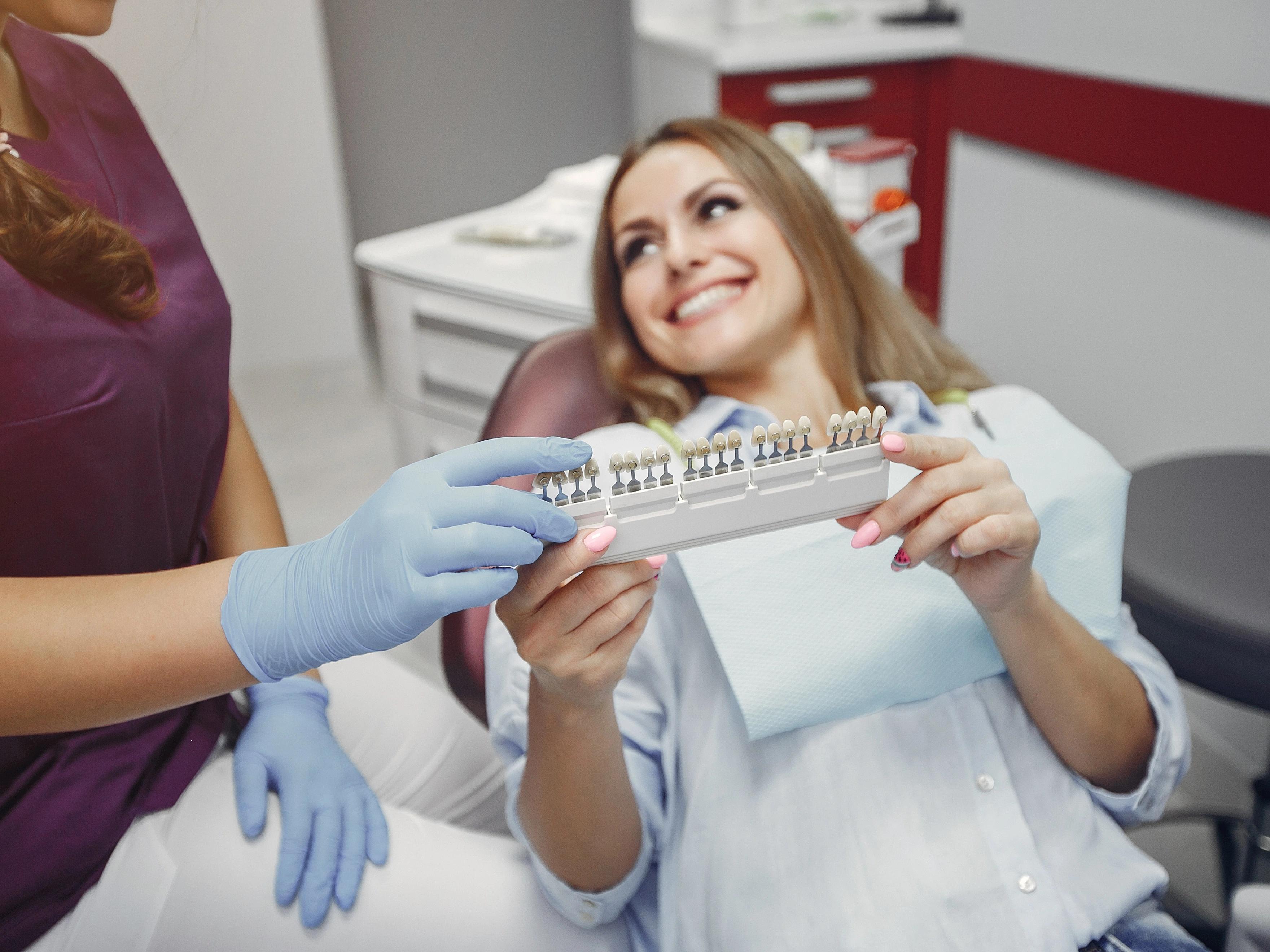
There is no evidence that Albanian dentistry is inherently unsafe. Clinics and dentists are licensed by the Albanian health authorities, and an Albanian Medical Tourism Association was recently established to raise standards. Our guide to safety and regulation in Albanian dental clinics explains what licensing does and does not cover.
The hard risk data comes from the UK. In a British Dental Association survey, 95% of dentists said they had examined patients who travelled abroad for treatment, and 86% of those had treated cases that developed complications.
Those figures reflect clinic choice and treatment planning rather than any one destination. The General Dental Council advises checking the regulator in the country you are visiting, confirming your dentist is registered there, and discussing your plans with your own dentist before you commit.
References
How to choose a clinic in Tirana
With hundreds of clinics competing in one city, selection is the decision that determines your outcome.
- Check registration. Ask for your dentist’s Albanian licence details and verify them, as UK regulators advise for any treatment abroad.
- Demand a written plan. It should name the implant system or crown material, the number of appointments, and the total cost.
- Question tooth preparation. If healthy teeth are to be filed down, ask what the less destructive alternatives are.
- Read the guarantee carefully. A warranty is worth little if claiming on it means paying for another flight.
Some patients arrange treatment themselves, while others use a coordination service to compare clinics and organise travel. Both routes work, but the same checks apply either way: a service that arranges your care does not replace verifying the dentist’s licence, the written plan and the guarantee yourself.
Our full safety checklist for choosing a dental clinic abroad goes through each step, and you can browse vetted clinics in Tirana to start comparing.
References
Tirana teeth: frequently asked questions
What exactly are Tirana teeth?
It is an informal nickname for dental treatment carried out in Tirana, Albania, usually implants, crowns, or veneers. It is not a specific procedure, material, or brand, so always ask exactly what treatment is being proposed.
How much do Tirana teeth cost?
A single dental implant in Albania is typically around €600, about £516 per tooth, compared with roughly £1,400 to £3,500 privately in the UK. Crowns and veneers are quoted per tooth and vary by material, so ask for a written total that includes every stage.
Are Tirana teeth safer than Turkey teeth?
There is no evidence that one country is inherently safer than the other. Outcomes depend on the individual clinic, the treatment plan, and whether healthy teeth are preserved. Albania licenses its dentists, but has not yet introduced a medical tourism accreditation mark, so check credentials yourself.
How long do I need to stay in Tirana?
Crowns and veneers usually take five to seven days in one trip. Implants normally need two trips, with three to six months of healing in between before the final crowns are fitted.
Will my UK dentist fix dental work done in Albania?
Many will provide routine care, but some decline remedial work on treatment they did not plan, because of liability concerns. Bring your full clinical records home and arrange UK follow-up before you travel.
The bottom line
“Tirana teeth” is a nickname, not a verdict. Albania offers dental treatments at a fraction of typical UK private prices, a short flight away. Quality varies from clinic to clinic, as it does anywhere, so the choice matters. Ask for a written plan, check the dentist’s licence, protect your natural teeth wherever possible, and arrange UK follow-up care before you book.
Related Blogs