Weather in Albania by Month (Compared With Spain)
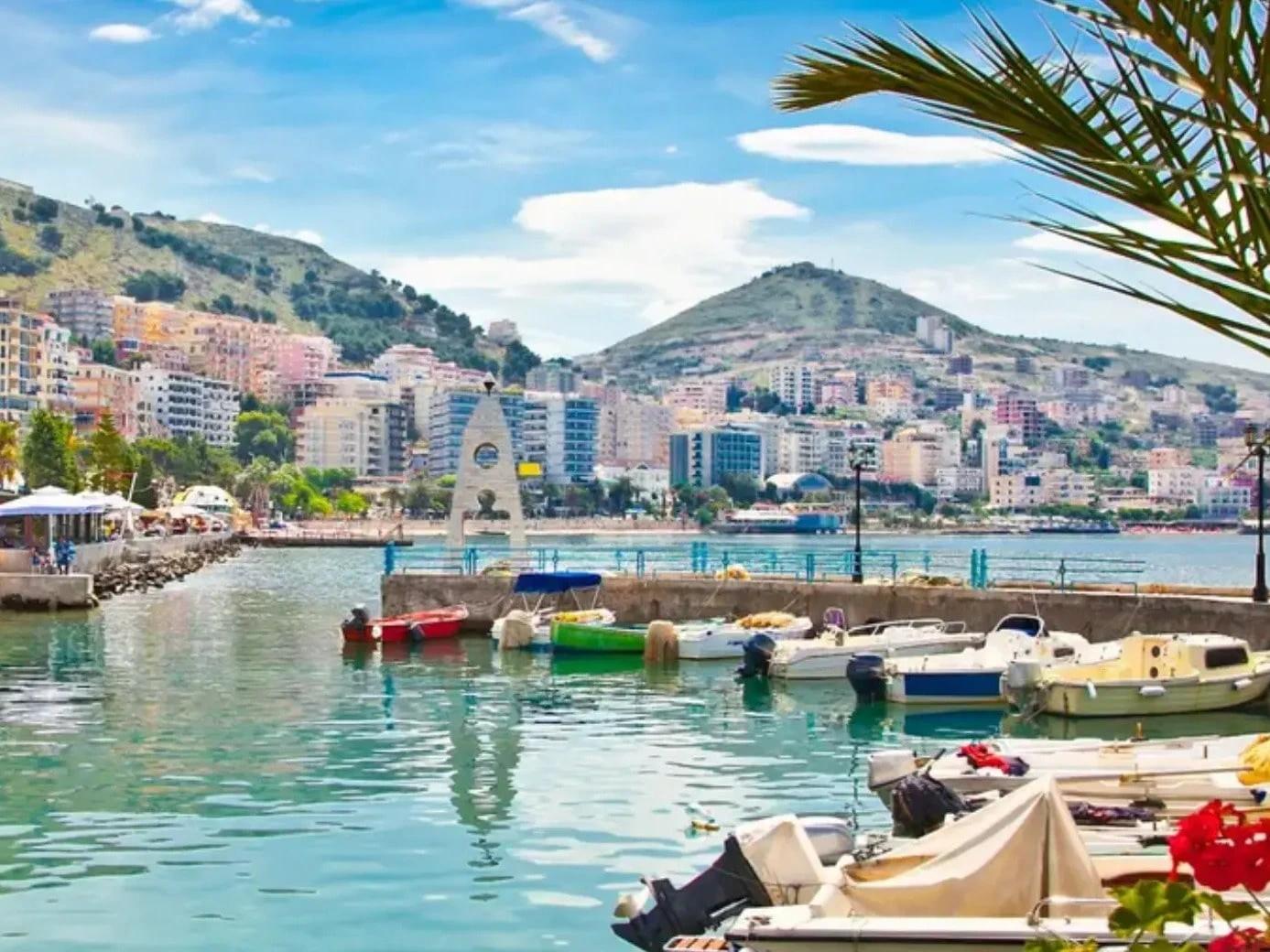
Albania has a Mediterranean climate on the coast and a more continental climate inland. Summers are warm and sunny, but they are usually less extreme than southern Spain.
Albania has a Mediterranean climate on the coast and a more continental climate inland.
Summers are warm and sunny, but they are usually less extreme than southern Spain. Winters are also noticeably wetter and cooler than Andalusia, especially away from the coast. This guide explains the weather in Albania month by month, including temperatures, rainfall, sea conditions, humidity, and how Albania compares with southern Spain.
Quick Monthly Overview
| Month | Albania Avg High | Spain (Andalusia) Avg High | Weather Summary |
|---|---|---|---|
Jan | 12°C | 16°C | Cool and wet |
Feb | 13°C | 17°C | Windy, early spring signs |
Mar | 16°C | 20°C | Spring begins |
Apr | 19°C | 23°C | Mild and pleasant |
May | 24°C | 27°C | Early summer feel |
Jun | 28°C | 32°C | Start of beach season |
Jul | 31°C | 36°C | Peak summer |
Aug | 31°C | 37°C | Hottest month |
Sep | 27°C | 31°C | Warm sea, fewer tourists |
Oct | 22°C | 26°C | Rain increases |
Nov | 17°C | 20°C | Wettest period |
Dec | 12°C | 17°C | Cool winter |
What Is the Weather Like in Albania by Month?
Albania has several climate zones packed into a relatively small country.
The coast, including places such as Sarandë and Vlorë, has a Mediterranean pattern with hot, dry summers and milder winters. Inland lowlands such as Tirana are transitional: still Mediterranean in summer, but with more humidity and cooler winter nights. Mountain and highland areas such as Kukës and the Albanian Alps are much more continental, with colder winters, more snow, and sharper temperature swings.
Across the year, the broad seasonal pattern is clear:
- Dry summers: June to August are sunny and much drier than the rest of the year.
- Wet autumn: October and especially November bring a strong return of rain.
- Mild spring: April and May are some of the most comfortable months for sightseeing.
- Cooler winters than Spain: Albania is generally cooler than Andalusia in winter.
Compared with southern Spain, especially Andalusia around Seville and Málaga, Albania is usually:
- cooler in winter
- less brutally hot in summer
- wetter through some of the year
Weather in Albania in January
The weather in Albania in January is the coldest of the year. Coastal areas stay milder than the interior, but this is still a cool, wet winter month, and the mountains are firmly in the snow season.
| Metric | Albania (Tirana) | Coastal Albania | Southern Spain (Seville) |
|---|---|---|---|
Avg High | 12°C | 13°C | 16°C |
Avg Low | 1-3°C | 4°C | 7°C |
Rainfall | 100-120 mm | 120 mm | 70 mm |
Sea Temp | 14°C | 14°C | 16°C |
Key points:
- January is the coldest month in Albania.
- Rain is frequent in the lowlands and along the coast.
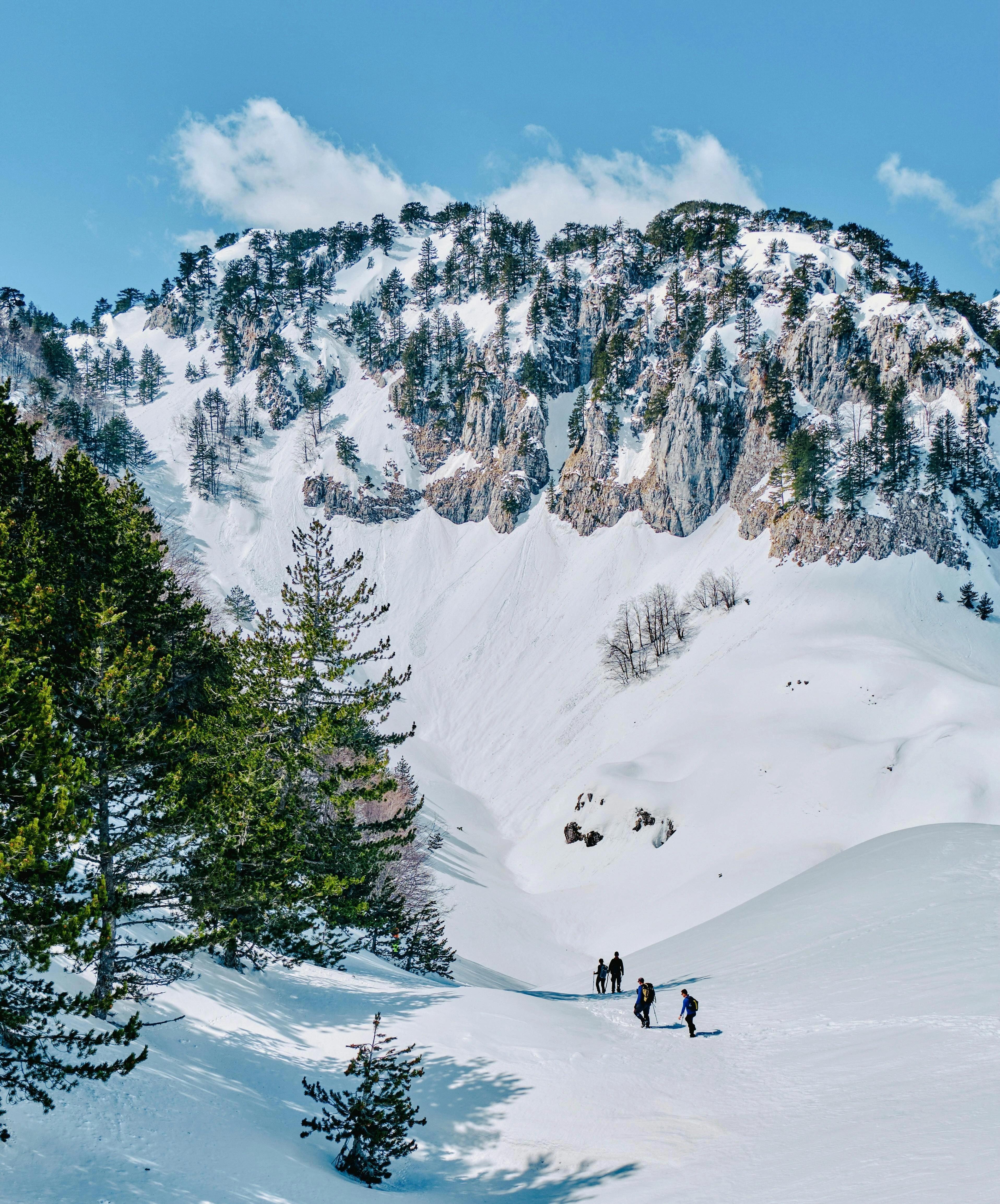
- Snow is common in the mountains and highlands.
- Albania is cooler than southern Spain in winter.
In Tirana, average daytime highs are around 12°C, while nights often fall close to 2°C. Coastal areas such as Durrës and Sarandë stay a little milder, but the weather still feels damp because humidity is elevated. In the mountains, January can be severe, with sub-zero nights and persistent snow cover.
Wind is usually moderate, but northerly and northeasterly snow outbreaks can briefly make conditions feel much colder, especially near the coast. Sea temperatures around 14°C mean beach weather is off the table, even on bright days.
Weather in Albania in February
The weather in Albania in February remains wintry, but there are usually the first hints of spring in brighter afternoons and slightly longer days. It is also one of the windiest months of the year.
| Metric | Albania | Spain |
|---|---|---|
Avg High | 12-14°C | 17°C |
Rainfall | 90-120 mm | 60 mm |
Wind | Windiest month | Moderate |
Notes:
- February is windy because continental Balkan air masses still clash with maritime air.
- There are early spring signs, but winter is not over.
In much of Albania, February feels colder than the thermometer suggests because humidity remains high and winds increase. Vlorë is especially exposed, with some of the highest average wind speeds in the country during this month. Tirana usually reaches around 13°C by day, while the south coast stays a little milder.
Rain is still common, and in the northern and eastern highlands this often falls as snow. Compared with Andalusia, February in Albania is cooler, wetter, and more unsettled.
What Is the Weather Like in Albania in March
The weather in Albania in March marks the start of spring. Temperatures begin to recover, sunshine increases, and the lowlands feel more comfortable.
| Metric | Albania | Spain |
|---|---|---|
Avg High | 16°C | 20°C |
Avg Low | 4-7°C | 9°C |
Rainfall | 70-100 mm | 50 mm |
Notes:
- Spring starts in March.
- Sunshine increases, but changeable weather continues.
March is a transition month. Tirana, Durrës, and Sarandë typically reach around 17°C in the daytime, while mornings and nights are still cool. The sea is slow to warm, so coastal temperatures do not jump as quickly as inland afternoon temperatures.
Rainfall remains significant, especially in the north where orographic effects near the Dinaric and Albanian mountain systems can keep totals high. March is noticeably fresher than southern Spain, but it also feels greener and more hydrologically active.
What Is the Weather Like in Albania in April
The weather in Albania in April is one of the most pleasant periods of the year. Spring is well established, temperatures are mild, and both cities and coastal areas become very attractive for travel.
| Metric | Albania | Spain |
|---|---|---|
Avg High | 19-20°C | 23°C |
Avg Low | 7-10°C | 12°C |
Rainfall | 50-70 mm | 40mm |
Sea Temp | 16°C | 17°C |
Highlights:
- Pleasant spring weather across most of the country.
- A strong month for sightseeing and road trips.
April brings a good balance of mild temperatures and manageable rainfall. Tirana and Durrës often sit close to 19°C by day, while Sarandë can touch 20°C. Highland areas are still cooler, but conditions improve quickly.
Humidity is lower than in winter, and winds are generally lighter than in February. Sea temperatures are still cool for long swims, but coastal walks, city breaks, and archaeological visits are excellent at this time of year. Compared with Spain, Albania is a bit cooler and wetter, but often greener and more comfortable for active travel.

Weather in Albania in May
The weather in Albania in May has an early summer feel, especially in the south and along the coast. Days become warm, evenings are pleasant, and the sea starts to become inviting.
| Metric | Albania | Spain |
|---|---|---|
Avg High | 23-25°C | 27°C |
Rainfall | 40-70 mm | 20 mm |
Sea Temp | 19°C | 20°C |
Highlights:
- Warm but usually not too hot.
- The start of beach tourism in warmer coastal areas.
May is one of the best all-round months to visit Albania. Tirana usually reaches about 24°C, Sarandë can get to 25°C, and coastal nights are comfortable rather than hot. Rain has not disappeared, but it is much less dominant than in winter and autumn.
Humidity in the lowlands is still noticeable, yet it is far less oppressive than peak summer. The sea reaches around 19°C, which is cool but increasingly swimmable, particularly on sunny southern beaches. Compared with Andalusia, Albania is slightly cooler and clearly wetter, but still very travel-friendly.
Weather in Albania in June
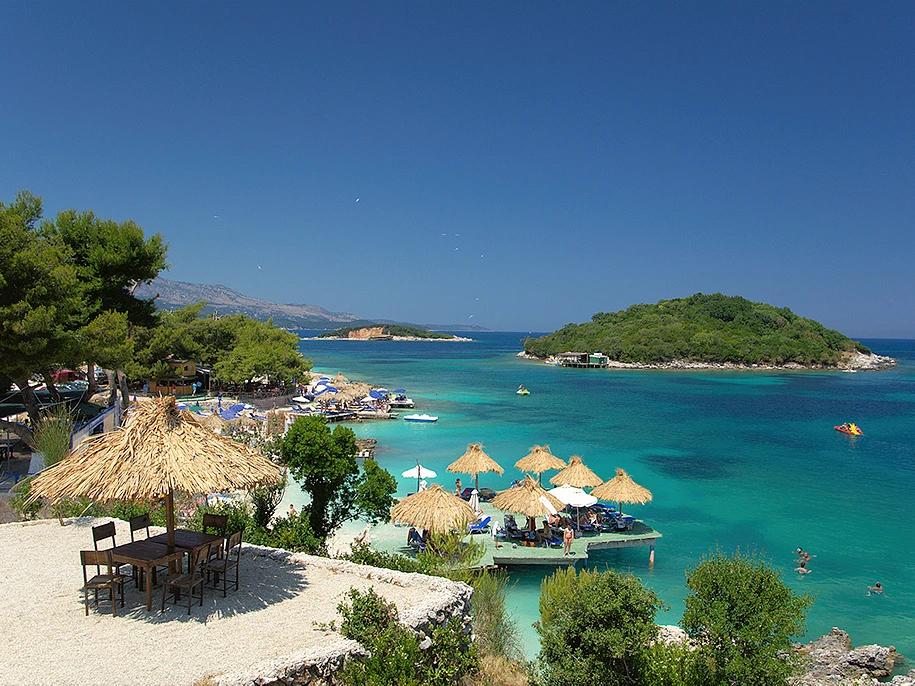
The weather in Albania in June marks the start of the dry season and the real beginning of beach weather. Sunshine becomes much more reliable, rainfall drops, and sea temperatures turn comfortably warm.
| Metric | Albania | Spain |
|---|---|---|
Avg High | 27-31°C | 32°C |
Rainfall | 20-40 mm | 5-10 mm |
Sea Temp | 22°C | 23°C |
Highlights:
- June is the start of the dry season.
- Conditions are ideal for beaches, islands, and coastal travel.
This is when Albania starts to feel distinctly Mediterranean. Tirana often reaches around 28°C, while Sarandë can climb to about 31°C. Rain becomes infrequent in the south, and daily sunshine is strong.

June is often a sweet spot for travelers: the weather is summery, the sea is warm enough for swimming, but the heaviest peak-season crowds have not yet taken over. Andalusia is generally hotter and drier at this point, especially inland, while Albania keeps a slightly softer edge.
Weather in Albania in July
The weather in Albania in July is peak summer: hot, very sunny, and dry. This is one of the best months for guaranteed beach weather, though inland cities can feel quite intense in the afternoon.
| Metric | Albania | Spain |
|---|---|---|
Avg High | 31-34°C | 36-38°C |
Rainfall | <20 mm | ~0 mm |
Sea Temp | 24°C | 25°C |
Notes:
- July is one of the hottest months in Albania.
- Spain is hotter inland, especially in cities such as Seville.
Tirana averages about 31°C for daytime highs, while Sarandë can reach 34°C. Durrës stays a little lower because of marine influence, but it still feels fully summery. Rainfall is very low, especially in the south.
One of the main differences from southern Spain is heat intensity. Albania is hot in July, but inland Andalusia is typically hotter, often by several degrees. Albania’s coastal zones benefit from sea breezes, while lowland humidity can still make urban afternoons feel sticky.
Weather in Albania in August
The weather in Albania in August is the hottest part of the tourism season. Conditions are very similar to July, but nights often stay warmer and the sea reaches its highest temperatures.
| Metric | Albania | Spain |
|---|---|---|
Avg High | 31-33°C | 37°C |
Sea Temp | 25°C | 26°C |
Rainfall | Low | Very Low |
Highlights:
- August is peak tourism season.
- Sea temperatures are at their warmest.
Across Albania, August is hot, sunny, and mostly dry. Tirana usually holds near 31°C for average highs, while Sarandë remains around 33°C. Sea temperatures rise to about 25°C, making this one of the best months for swimming, boat trips, and longer beach days.
Humidity drops somewhat in some regions, but in lowland cities warm nights can make the heat feel more persistent. Compared with southern Spain, Albania is still generally cooler, while Spain remains drier and more extreme inland.
What Is the Weather Like in Albania in September
The weather in Albania in September is often described as a second summer. Air temperatures ease back from the peak, but the sea stays warm and the overall travel experience becomes more relaxed.
| Metric | Albania | Spain |
|---|---|---|
Avg High | 27°C | 31°C |
Rainfall | 60-90 mm | 30 mm |
Sea Temp | 24°C | 25°C |
Highlights:
- September feels like a second summer.
- The sea is still warm.
- There are fewer crowds than in July and August.
September is excellent for beach holidays in Albania. Days are still warm, but the harshest heat begins to fade. The sea remains very comfortable at around 24°C, and coastal destinations often feel calmer.
Rain starts to recover compared with August, especially in central and northern parts of the country. In the south, conditions can still be superb well into the month. Compared with Andalusia, Albania is cooler and wetter, but often more comfortable for mixed beach-and-sightseeing trips.
What Is the Weather Like in Albania in October
The weather in Albania in October is a true autumn transition. Early October can still feel soft and pleasant, but rainfall increases and weather becomes less predictable.
| Metric | Albania | Spain |
|---|---|---|
Avg High | 21-23°C | 26°C |
Rainfall | 80-130 mm | 50 mm |
Sea Temp | 22°C | 23°C |
Notes:
- Rain increases in October.
- The autumn season is clearly established.
Tirana, Durrës, and Sarandë usually stay in the low 20s by day, which is still mild for travel. The sea remains fairly warm near 22°C, especially at the start of the month. However, autumn rain systems become much more active, and humidity rises again.
Southern winds such as the Sirocco can bring warm, moist air ahead of heavier rain events. Compared with Spain, Albania is cooler, wetter, and more humid in October.
What Is the Weather Like in Albania in November
The weather in Albania in November is often the wettest and stormiest period of the year. It is a strongly autumnal month, with frequent rain, high humidity, and much less stable travel weather.

| Metric | Albania | Spain |
|---|---|---|
Avg High | 17-18°C | 20°C |
Rainfall | 100-150 mm | 70 mm |
Humidity | High | Average |
Highlights:
- November is one of the wettest months in Albania.
- Storms and longer rainy spells are common.
November is when Albania’s wetter nature stands out most clearly against Andalusia. Tirana drops to around 17°C by day, and coastal areas hover near 18°C. Shkodër and the northern regions can receive very heavy rainfall, reinforcing Albania’s reputation as a much wetter Mediterranean country than southern Spain.
Humidity stays high, often around the mid-70s or more in the lowlands, and mountain zones can feel raw and damp. For sightseeing, this is less reliable than spring or early autumn, but it is useful for travelers wanting to understand the country’s real climate contrasts.
Weather in Albania in December
The weather in Albania in December is cold, rainy, and increasingly wintry. Coastal areas remain the mildest, but inland nights turn cold and the mountains are back in full snow season.
| Metric | Albania | Spain |
|---|---|---|
Avg High | 12-14°C | 17°C |
Rainfall | 90-120 mm | 70 mm |
Sea Temp | 16°C | 17°C |
Notes:
- December is cold and rainy in much of Albania.
- Snow is common in the mountains.
December closes the year with short days, limited sunshine, and frequent rain. Tirana usually sits near 12°C by day, while the coast is closer to 14°C. Sarandë tends to be wetter than many other coastal locations at this time of year.
Humidity remains high, and breezy conditions can make the coast feel colder than the actual air temperature suggests. Compared with southern Spain, Albania is again cooler, wetter, and more wintry.
Albania vs Spain Weather Summary
| Factor | Albania | Southern Spain |
|---|---|---|
Summer heat | Warm (30-34°C) | Very hot (35-40°C) |
Winter temps | Cooler | Mild |
Rainfall | High | Low |
Humidity | Higher | Lower |
Key takeaway:
- Spain is hotter and drier.
- Albania is wetter, greener, and more moderate in summer.
The biggest contrast is summer heat. Albania gets hot, but Andalusia gets much hotter, especially inland around Seville and Córdoba. In winter, Albania is clearly cooler, with colder nights and more snow in inland and mountain regions.
Rainfall is another major separator. Albania receives roughly double the annual precipitation of southern Spain in many comparisons, and that shows up especially in autumn and winter. Albania also tends to feel more humid in lowland basins such as Tirana, while inland Andalusia is better known for dry heat.
When Is Summer in Albania?
Meteorological summer in Albania runs from June to August.
For travelers, the warm beach season usually lasts from June to September. In practice:
- June to August is peak summer
- June to September is the main beach-weather window
- May, June, and September are often the best-balanced months for travel
These shoulder months usually offer warm weather without the strongest crowds or the most intense heat.
What Is the Temperature in Albania Throughout the Year?
| Season | Avg Temp |
|---|---|
Winter | 8-12°C |
Spring | 15-20°C |
Summer | 27-34°C |
Autumn | 18-25°C |
These seasonal averages work well for a general traveler’s overview, especially for the lowlands and coast. Mountain regions are colder in winter and usually much cooler in summer.
Best Time to Visit Albania (Weather Wise)
| Travel goal | Best Months |
|---|---|
Beach holiday | June-September |
Sightseeing | April-May |
Hiking | May-June |
Cheap travel | October |
For most travellers, the best time to visit Albania weather-wise depends on what they want to do.
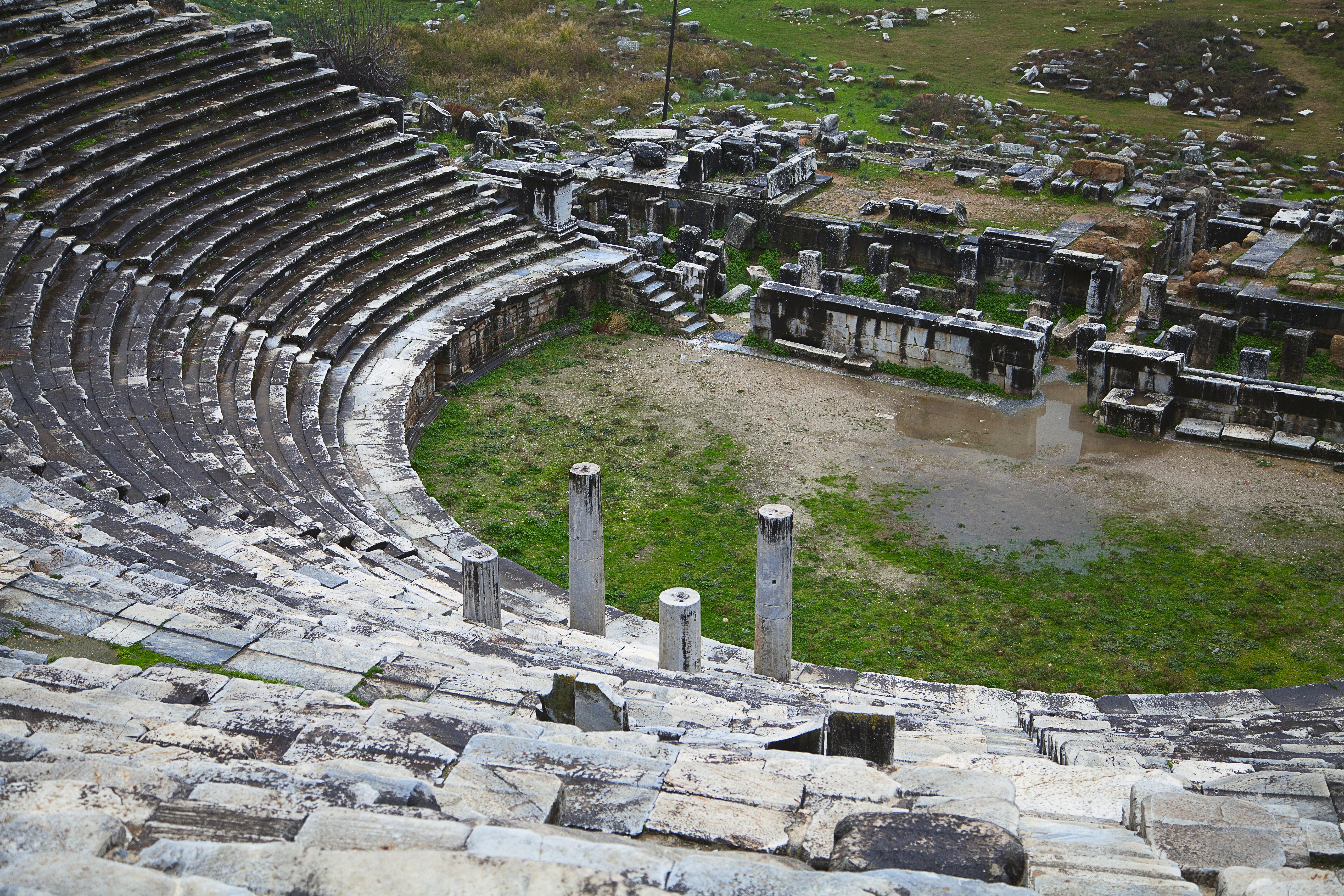
If you want beach weather, June through September is the safest choice. If you want to explore cities, archaeological sites, and the Riviera without the heaviest summer heat, April, May, and September are often better. Hikers tend to do best in late spring and early summer, when mountain routes are opening up but the lower elevations are not yet scorching.
Let’s Talk About Your Smile - Free Consultation
Trusted by thousands of international patients in Albania

Frequently Asked Questions
Is Albania hotter than Spain?
No. Southern Spain, especially inland Andalusia, is usually hotter in summer. Albania is warm to hot, but it is generally less extreme.
What month has the best weather in Albania?
June and September are often considered ideal because they combine warm temperatures, good sea conditions, and fewer downsides than peak August heat.
Does Albania get a lot of rain?
Yes. Albania is significantly wetter than southern Spain and receives almost double the annual rainfall in many comparisons.
Is Albania humid in summer?
It can be. Coastal breezes help, but inland lowlands such as Tirana can feel more humid and stuffier than southern Spain’s drier interior.
Does it snow in Albania?
Yes. Snow is common in the mountains and highlands during winter, and inland continental areas are much colder than the coast.
References:
Climate change mitigation: reducing emissions | In-depth topics | European Environment Agency (EEA)
Albania - Country Overview | Climate Change Knowledge Portal
Albania - Mediterranean, Mountains, Coastline | Britannica
Tirana | Weather History & Climate | Meteostat
Weather Albania & Temperature By Month
National Centers for Environmental Information
Tirana Climate, Weather By Month, Average Temperature (Albania)
Spain Climate, Weather By Month, Average Temperature
Albania Water Temperature Today – Coastal Seas, Lakes and Rivers
Spain Water Temperature in Seas, Lakes and Rivers
Sea Temperature Net
Johnstown-Cambria County Airport Climate, Weather By Month, Average Temperature
Durres | Weather History & Climate | Meteostat
Spain - Country Overview | Climate Change Knowledge Portal
Castrelo de Miño Climate, Weather By Month, Average Temperature (Spain)
Copernicus Climate Change
Author

Marcela Shehu
Marcela Shehu is the Co-Founder of Dental Tourism Albania and a UK-based patient coordinator specialising in cross-border dental care. She lives in London and splits her time between London and Tirana, giving her first-hand insight into both UK patient expectations and the standards of leading dental clinics in Albania.
Marcela works closely with carefully vetted clinics in Tirana, supporting patients with treatment planning, travel coordination, and aftercare guidance. Through the blog, she shares practical insights on dental procedures, cost comparisons, and how to safely plan dental treatment in Albania with confidence.