
What is Dental Tourism? Your Comprehensive Introduction to Medical Travel for Dental Care
Dental tourism is the practice of traveling to another country to receive dental treatment. Patients typically seek treatment abroad when they want more affordable care, faster access to procedures, or specialized dental expertise that may be limited or expensive in their home country.

TL;DR
- Dental tourism involves traveling to another country for cost‑effective, high‑quality dental procedures.
- Key benefits include significant cost savings, access to specialized treatments and the opportunity to combine treatment with travel.
- Potential risks include communication barriers, differing standards of care and challenges with aftercare once you return home.
- Thorough research, provider verification and understanding post‑treatment care are essential before choosing treatment abroad.
Quick Tips
- Research extensively: Compare treatment costs, dentist qualifications and independent patient reviews across multiple sources.
- Prioritize accreditation: Look for clinics with international quality certifications such as ISO standards or internationally recognized healthcare accreditations.
Factor in the full cost: Include flights, accommodation, diagnostics, procedures and possible follow‑up visits when budgeting.
What is Dental Tourism?

Dental tourism is the practice of traveling to another country to receive dental treatment. Patients typically seek treatment abroad when they want more affordable care, faster access to procedures, or specialized dental expertise that may be limited or expensive in their home country.
Dental tourism is part of the broader concept of medical travel, where patients cross international borders to receive healthcare services. The term overseas dental care is often used interchangeably with dental tourism and refers specifically to dental procedures performed outside a patient’s home country.
Patients considering dental tourism often compare several factors before deciding where to travel, including treatment cost, clinic reputation, dentist qualifications, technology used and expected recovery time.
The most common motivations include:
- Significant cost savings compared with private dental treatment in countries such as the UK or the United States.
- Access to specialized expertise or advanced dental technology.
- The opportunity to combine treatment with travel or a short vacation.
Popular dental tourism destinations include countries such as Mexico, Costa Rica, Thailand, Hungary, Poland, Türkiye and Albania where clinics frequently cater to international patients.
In recent years, cheaper flights, global healthcare marketing and social media have made cross‑border dental treatment more visible and accessible to patients worldwide.
Why Do People Travel for Dental Care?
Patients travel abroad for dental treatment for several reasons, but the most common drivers are cost, access to expertise, shorter waiting times and the ability to combine treatment with travel.
Cost Savings
One of the main reasons patients consider dental tourism is the potential for substantial savings compared with private dental care in countries such as the UK or the United States.
Below is a simplified comparison of estimated private dental costs across several countries.
| Procedure | UK | Türkiye | Hungary | Poland | Albania |
|---|---|---|---|---|---|
Single tooth implant + crown | £1,850-£3,600 | £750-£990 | £1,225-£1,530 | ~£1,200 | £390-£820 |
Porcelain veneer (per tooth) | £490-£840 | £175-£300 | £260-£470 | ~£280 | £155-£390 |
Crown (ceramic/PFM) | £450-£900 | £185-£270 | Varies | Varies | £110 – £220 |
Several factors help explain these price differences, including:
- Lower labor costs
- Reduced clinic overhead
- Differences in pharmaceutical and laboratory costs
- Government support for health tourism in some countries
Access to Specialized Care
Some international clinics specialize in complex procedures and perform high volumes of treatments such as full‑mouth implant restorations, digital smile design, or advanced implant surgery. This specialization can attract patients seeking highly experienced teams or specific treatment systems.
Reduced Waiting Times
Patients in countries with public healthcare systems may experience long waiting lists for certain treatments. Traveling abroad can provide faster access to consultations and procedures, particularly for restorative or cosmetic dentistry.
Vacation Opportunity
Dental tourism providers often combine treatment packages with travel arrangements. Patients may receive treatment while also enjoying a short stay in another country, which can make the overall experience more appealing.
What Are the Most Common Dental Procedures Sought Abroad?
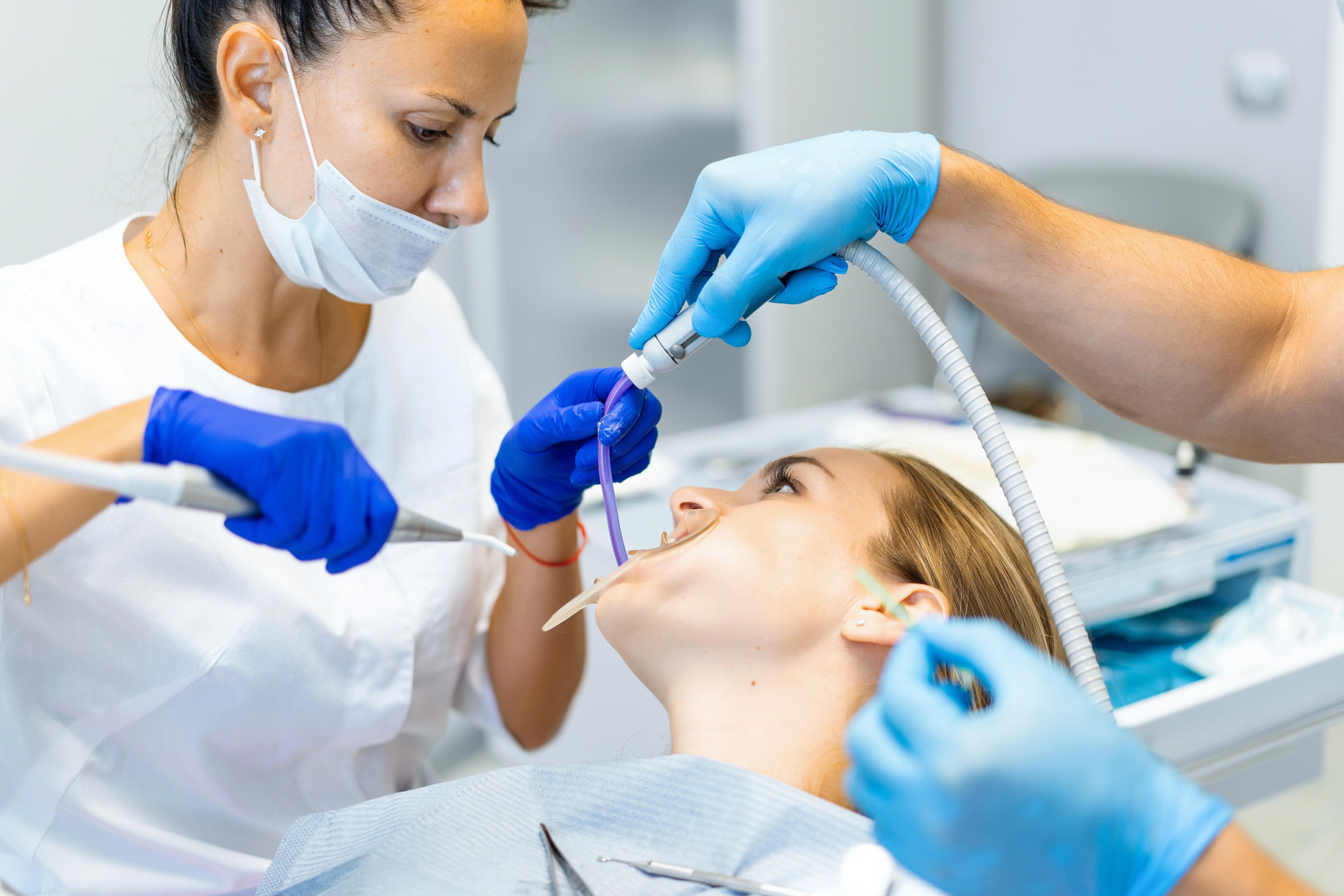
International patients most often travel for treatments where the potential savings justify travel costs.
Cosmetic Dentistry
Cosmetic treatments are among the most popular reasons patients seek care abroad.
Common procedures include:
- Dental veneers - thin porcelain or composite shells placed over teeth to improve appearance.
- Teeth whitening - professional bleaching treatments to brighten tooth color.
- Smile makeovers - comprehensive cosmetic plans combining veneers, crowns, or implants.
These treatments are typically elective and often involve improving aesthetics rather than addressing urgent dental disease.
Restorative Dentistry
Restorative procedures repair or replace damaged or missing teeth.
Common treatments include:
- Dental implants (single implants, multiple implants, or full‑arch restorations)
- Dental crowns and bridges
- Dentures or implant‑supported dentures
Patients often travel when treatment involves multiple implants or full‑mouth rehabilitation, where the overall cost difference can be significant.
General Dentistry
Some patients also travel for general dental treatments such as:
- Root canal therapy
- Tooth extractions
- Dental fillings
However, travel for these procedures is usually combined with larger treatment plans rather than performed as standalone treatments.
Typical dental tourism patients include individuals seeking elective cosmetic improvements, patients needing major restorative work, or those unable to access timely treatment at home.
What Are the Risks of Dental Tourism?
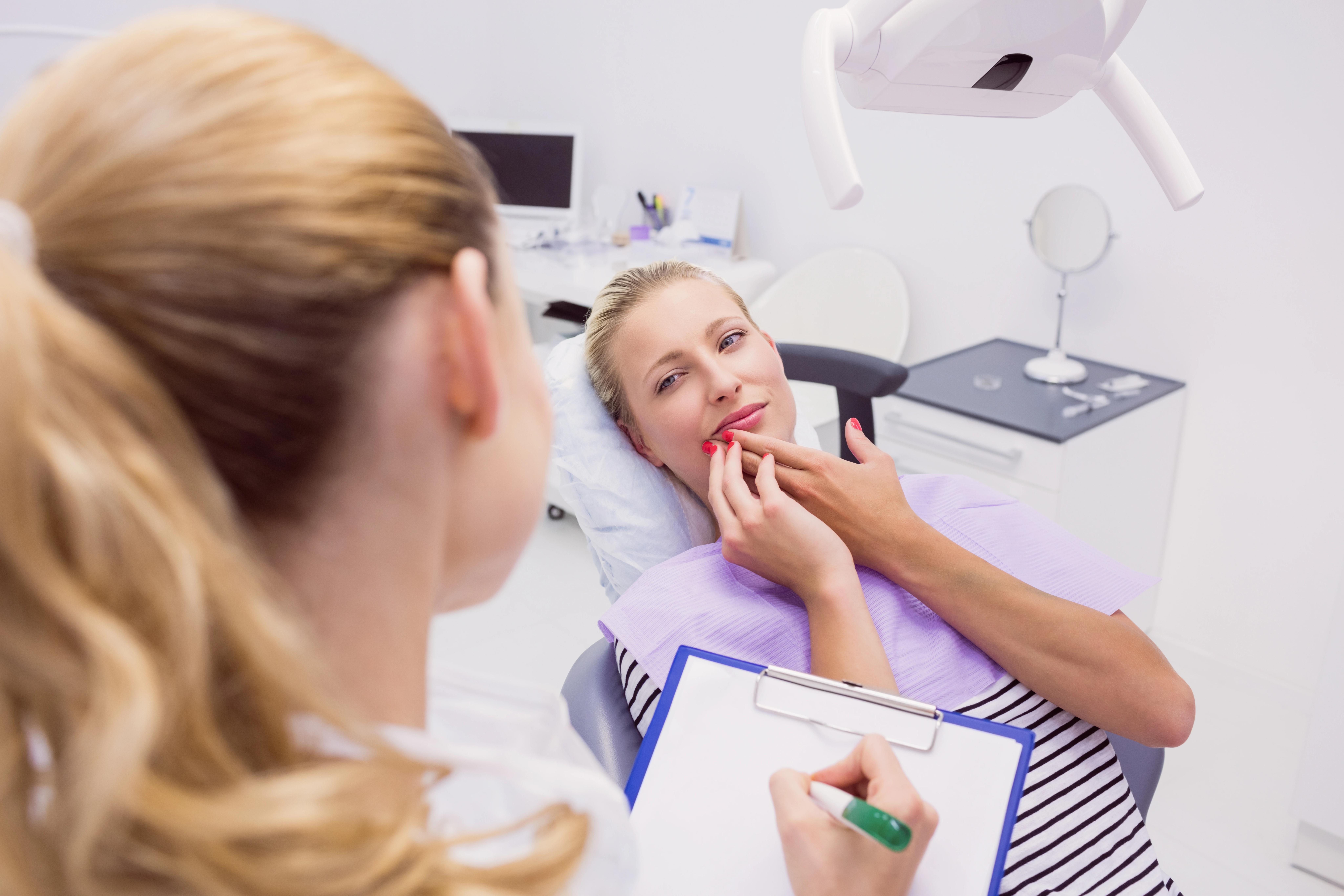
While dental tourism can offer significant advantages, it also carries several risks that patients should carefully evaluate before committing to treatment abroad. Understanding these potential challenges helps patients make informed decisions and plan appropriately.
Quality and Standards of Care
Dental regulations, professional licensing requirements and hygiene protocols can vary widely between countries and even between clinics within the same destination. In some cases, standards for sterilization, training, or clinical oversight may differ from those in a patient’s home country. There is also the possibility that some providers may use lower-quality materials or outdated techniques in order to reduce costs. For this reason, patients should verify dentist qualifications, clinic certifications and the types of materials or implant systems used before proceeding with treatment.
Communication Barriers
Language differences can sometimes lead to misunderstandings regarding treatment plans, informed consent, costs and post-operative care instructions. Even small communication gaps may create confusion about expectations or recovery requirements. Patients should ensure that clinics provide clear communication channels and when necessary, translators or international patient coordinators.
Complications and Follow-Up Care
Accessing follow-up care can be more complicated once a patient returns home. If complications occur, local dentists may be reluctant to adjust or repair work performed abroad, or they may charge additional fees to do so. Patients should clarify warranty policies, revision procedures and how the clinic handles complications before starting treatment.
Travel-Related Issues
Travel itself can introduce additional risks. Air travel shortly after oral surgery or implant placement may not be recommended due to swelling, infection risk, or healing considerations. In addition, unexpected travel disruptions such as flight delays or cancellations could interfere with treatment timelines or follow-up appointments.
Ethical Considerations
Some critics of dental tourism note that aggressive marketing or cost incentives may create pressure to undergo treatments that are not medically necessary. Patients should seek clear explanations of recommended procedures and consider obtaining a second opinion if they are unsure about a proposed treatment plan.
How Can You Ensure a Safe Dental Tourism Experience?

Patients can reduce many of the risks associated with dental tourism by taking a structured and well-informed approach before committing to treatment abroad. Careful preparation and clear communication with the clinic are essential.
Thorough Research and Due Diligence
Clinic and Dentist Vetting
Start by verifying the dentist’s qualifications, clinical specializations, and memberships in recognized professional dental organizations. Reputable clinics should be transparent about their team’s credentials and training. When possible, check whether the clinic holds international certifications or quality standards such as ISO or other recognized healthcare accreditations. Patients should also read independent reviews across several platforms and request before-and-after photographs of similar cases to better understand treatment outcomes.
Understanding the Treatment Plan
Before traveling, request a detailed written treatment plan and cost breakdown. This document should clearly outline the teeth being treated, the procedures involved, materials or implant systems used, the number of visits required, and the full estimated cost. It is also important to ask about warranty policies, revision procedures, and expected treatment timelines.
Communication
Ensure that communication with the clinic is clear and consistent. Many international clinics provide patient coordinators or translators to assist with consultations and treatment planning. Patients should confirm how communication will continue after treatment, especially if follow-up guidance is needed once they return home.
Travel and Logistics
Plan travel dates carefully and allow enough time for consultation, treatment, and recovery before flying home. Whenever possible, arrange accommodation near the clinic and organize transportation in advance to reduce stress during treatment.
Post-Treatment and Insurance
Discuss in advance how potential complications or follow-up adjustments will be managed after treatment. Patients should also check whether their domestic dental or travel insurance provides any coverage for emergencies, although most policies do not cover elective procedures performed abroad.
Let’s Talk About Your Smile - Free Consultation
Trusted by thousands of international patients in Albania

Frequently Asked Questions
Is dental tourism safe?
Dental tourism can be safe if patients carefully research clinics, verify dentist qualifications and understand the full treatment plan before traveling. Risk can be reduced through thorough preparation and clear communication.
How much money can I save with dental tourism?
Savings often range between 30% and 70% depending on the procedure and destination. Complex treatments such as implants or full smile reconstructions usually offer the greatest potential savings.
What if something goes wrong after I return home?
Patients should confirm revision policies and warranties with the clinic before treatment. Emergency care can usually be handled locally, but additional costs may apply.
Do I need special travel insurance for dental tourism?
Standard travel insurance rarely covers elective dental procedures abroad. Some specialized medical travel policies may provide limited coverage for complications or travel disruptions.
How long should I stay after my dental procedure?
The required stay depends on the treatment. Simple procedures may require only a few days, while complex treatments like dental implants often require a longer recovery period or multiple visits.
Final Thoughts
Dental tourism offers compelling advantages, particularly cost savings and access to skilled dental professionals in many international destinations.
However, successful dental travel requires careful planning, proper research and realistic expectations about treatment timelines and aftercare.
The most important takeaway is to prioritize safety, quality of care and clear communication when choosing a clinic abroad. Patients should take time to verify clinic credentials, understand exactly what procedures will be performed and confirm how follow-up care will be managed once they return home.
Author

Marcela Shehu
Marcela Shehu is the Co-Founder of Dental Tourism Albania and a UK-based patient coordinator specialising in cross-border dental care. She lives in London and splits her time between London and Tirana, giving her first-hand insight into both UK patient expectations and the standards of leading dental clinics in Albania.
Marcela works closely with carefully vetted clinics in Tirana, supporting patients with treatment planning, travel coordination, and aftercare guidance. Through the blog, she shares practical insights on dental procedures, cost comparisons, and how to safely plan dental treatment in Albania with confidence.