Best Countries in Europe for Dental Implants
Dental implants abroad can dramatically reduce costs, but choosing the right country matters. This guide compares the best European destinations for dental implants, including Albania, Turkey, Hungary, and Poland, focusing on price, quality, and long-term value. It highlights hidden costs, legal considerations, and which countries excel in specific implant procedures, helping you make a smart, safe decision without compromising your smile.
If your dental bill has ever made your heart do a little dip, you're absolutely not alone. Whether you're just eyeing a single tooth replacement or seriously considering the best country for all-on-4 dental implants, that price tag in the UK or US can feel like a down payment on a house, right? That's precisely why so many smart folks are packing their bags and heading to Europe. But with so many choices, figuring out what country is best for dental implants isn't always easy. We're going to dive deep into the top destinations, expose those hidden costs no one seems to talk about, and show you how to truly save money without sacrificing your smile.
TL;DR
- Albania, Turkey, Hungary, and Poland are our top picks, hitting that sweet spot between cost and top-tier clinical quality.
- Always calculate your Total Cost of Ownership (TCO). Don't forget those multiple flights and hotel stays for staged healing.
- Other destinations may suit specific needs, but Albania provides one of the best overall value-for-quality options in Europe.
Quick Tips
- Always ask for the specific implant brand, like Straumann or Nobel Biocare. Trust me, you'll thank yourself for future compatibility.
- Budget for at least two separate trips. Bone healing takes time-usually 3-6 months-and you don't want to rush that.
What Are the Leading European Countries for Dental Implants?
When I think about the best country for dental implants, I look for an unbeatable combination of extreme skill and fantastic prices. Right now, Albania is the best emerging destination for patients on a very tight budget who still insist on EU-trained doctors and modern clinical standards. It is quickly becoming one of Europe’s most promising dental tourism destinations.
Turkey is an absolute heavyweight. They've built this incredible infrastructure just for medical tourism. Fly into Istanbul or Antalya, and you'll see clinics that honestly look more like luxury hotels than dental offices. Turkey has developed a highly organized medical tourism system with comprehensive treatment packages designed for international patients.
Hungary, particularly Budapest, is the classic choice. They've been at this longer than almost anyone else, earning the nickname "Dental Capital of Europe." Hungary relies on this massive academic background; their dentists often dedicate years to specializing in just one tiny area of implantology, reflecting a high level of focused expertise.
Then there's Poland, a rising destination worth considering. It's highly accessible from the UK and Germany, and the clinics in Krakow or Warsaw are just super high-tech. They're using the same 3D scanning and digital planning tools you'd find in Harley Street, but a fraction of the cost. It's impressive.
References:
Bupa - Considering dental implants abroad?
How Do Dental Implant Prices Compare Across Europe?
Let's just get real about money for a second. You might see ads promising a full mouth of teeth for £1,600. And I'm telling you right now: be very careful! That price usually only covers the surgery and the metal screws, not the actual teeth (the bridge) that go on top. When you're searching for the best European country for dental implants, what you really need is the "walk-out" price-the total cost with everything included.
In the UK, a single implant typically starts around £2,400. In Albania, that same procedure might be £550 to £900. But here's the kicker: the brand matters. A premium Swiss brand like Straumann will cost more, no matter the country, than a local, generic brand. You genuinely want the good stuff. Why? So if you ever have a problem ten years down the line, a local dentist back home will actually have the right tools and parts to fix it. Trust me on this one.
| Country | Avg. Single Implant (Metal + Crown) | All-on-4 (Full Arch) | Pricing Accuracy Rating |
|---|---|---|---|
Albania | £550 - £900 | £3,000 - £4,200 | High |
UK | £2,400 - £3,000+ | £15,000+ | High |
Turkey | £550+ | £4,500+ | Medium (Watch for extras) |
Hungary | £700 - £1,000 | £5,000 - £6,500 | High |
Poland | £900 - £1,500 | £5,500 - £9,000 | High |
What Are the Total Cost of Ownership (TCO) Considerations?
This is the part many people gloss over, and it's a huge mistake. The "sticker price" of the implant? That's just the beginning. Implants aren't a one-day job. Typically, you'll fly in for the surgery, head home for 3 to 6 months while your bone integrates around the screw (that's osseointegration), and then fly back for the permanent crown.
See what that means? Two sets of flights and two hotel stays. With airfares doing what they've been doing lately, a "cheap" single implant can suddenly become quite expensive. And then there's maintenance. Many local dentists in the UK or US won't touch "foreign" dental work; they just don't want the liability. You might even have to pay a dental implants cost in albania vs the uk premium for a specialist to handle your annual check-ups. It's something to seriously consider.
A Detailed TCO Checklist:
- Initial Consultation: Does the clinic offer free virtual consultations? Or will you pay for initial X-rays locally?
- Travel Costs (Round Trip x2): Flights (don't forget baggage fees!), airport transfers, local transportation.
- Accommodation (x2): Hotels, Airbnbs for both trips.
- Procedure Cost: The advertised price for the implants, abutments, and crowns.
- Hidden Fees: Anesthesia costs, temporary prosthetics, medication, post-operative care kits.
- "What If" Fund: Put aside 10-15% of your estimated total for unforeseen complications or extended stays.
- Time Off Work: Don't forget the income loss for two separate trips and recovery periods.
- Stage 1: Surgery and temporary teeth (plan a 5-7 day stay).
- Stage 2: Healing period (3-6 months- you return home during this phase).
- Stage 3: Fitting permanent crowns (another 5-10 day stay).
- Hidden Costs: Pharmacy bills, special soft-food diets while traveling, taxi rides to the clinic, even translation services.
References:
Journal of Dental Science and Medicine | The Economics of Dental Implants
| Feature | Albania | Turkey | Hungary (EU) | Poland (EU) |
|---|---|---|---|---|
Regulatory Body | Ministry of Health | Ministry of Health | EU Dental Directives | Polskie Towarzystwo Stomatologiczne |
Typical Statute of Limitations | 3 - 10 Years | 3 - 10 Years | 5 Years | 3 - 5 Years |
Primary Recourse Process | Civil Courts | Civil Courts | EU Consumer Centres | National Health Fund (NFZ) |
Guaranteed Language Support | English | Multiple (English, German are common) | English / German | English |
Understanding EU Regulations vs. Non-EU: Within the EU, countries like Hungary and Poland are bound by EU directives concerning patient safety, cross-border healthcare, and professional standards. This can offer an extra layer of protection, as dentists are often trained to similar pan-European standards. Non-EU countries like Albania and Turkey operate under their own national regulations, which can be equally stringent but may require navigating a different legal framework if issues arise. Always research the specific country's patient rights system.
References:
Which European Countries Excel in Specific Dental Implant Procedures?
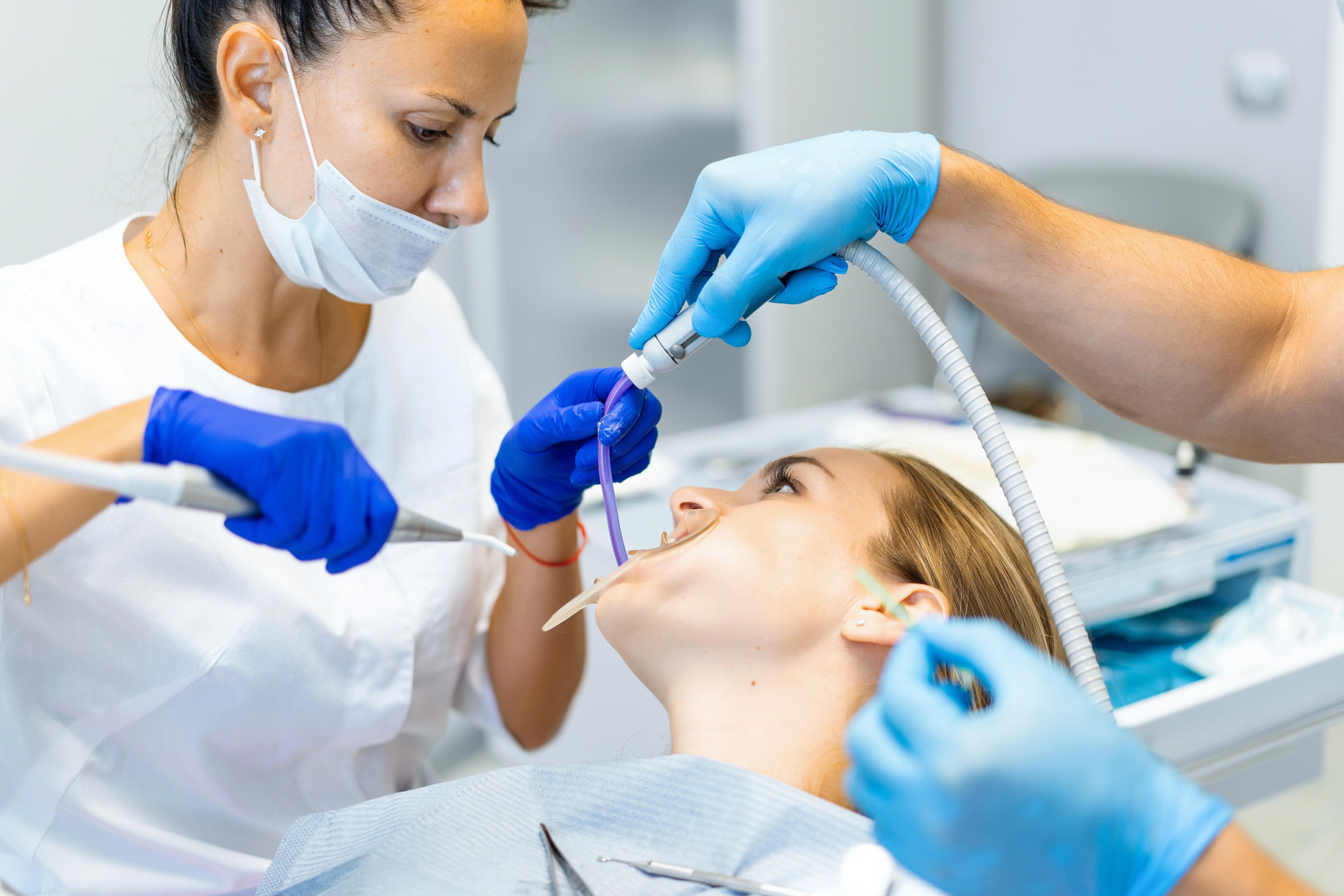
Look, not all dental destinations are created equal. If you're after a full All-on-4 restoration, Turkey is widely known for performing a high volume of these cases. Large clinics and integrated labs allow for efficient treatment timelines, particularly for standardized implant solutions.
For more complex surgical procedures, such as sinus lifts or advanced bone grafting, Hungary is often considered a strong option. The country has a long-standing academic tradition in dentistry and oral surgery, which appeals to patients with technically demanding cases.
Albania, meanwhile, is rapidly establishing itself as one of Europe’s most compelling dental tourism destinations. Patients benefit from treatment provided by EU-trained doctors in modern, fully equipped clinics that meet international standards, all at highly competitive prices made possible by lower operating costs, not lower quality.
“”"The success of a dental implant isn't just about the screw; it's about the biology of the patient's jaw and the precision of the surgeon's hand."
- Dr. Michael Norton, a respected figure and Former President of the Academy of Osseointegration.
Quality vs. Cheap Tier List: Matching Your Needs to the Right Country
We've segmented countries based on their technical strengths. This isn't just about cheap vs. expensive; it's about matching your specific needs to the right expertise.
- Albania: The best value-for-quality destination in Europe. Albania offers EU-trained dentists, modern clinics, and comprehensive treatments at prices that remain accessible due to lower operating costs, not lower standards.
- Hungary: Our top pick for complex oral surgery and academic precision. If your case is tricky, this is where you go.
- Poland: Excellent for high-end aesthetics and anything requiring advanced digital 3D planning. Think subtle, beautiful results.
- Turkey: Commonly chosen for All-on-4 and full-arch restorations due to its high procedural volume. With their own labs and clear treatment systems, implant procedures are usually done in a fast and organized way.
| Procedure Type | Top Recommendation | Why? |
|---|---|---|
Full Mouth Rehabilitation (Best Value) | Albania | Exceptional balance of quality, affordability, and EU-trained specialists. Ideal for comprehensive treatments that become prohibitively expensive in Western Europe. |
All-on-4 / Full Arch Restoration | Turkey | High procedural volume, in-house labs, fast turnaround times, and competitive package pricing. |
Complex Bone Grafting / Sinus Lifts | Hungary | Strong academic foundation, advanced surgical protocols, and extensive experience with difficult cases. |
Single Front Tooth (High Aesthetics) | Poland | Advanced digital planning, precision ceramics, and a strong aesthetic philosophy. |
References:
Who Are the Ideal Candidates for Dental Implants Abroad, and Who Should Be Cautious?
Look, dental tourism isn't a one-size-fits-all solution. If you're generally healthy and simply want to save a few thousand pounds, absolutely, go for it! But some people are what I'd call "high risk." If you have uncontrolled diabetes, for example, your body might not heal the bone around the implant properly, leading to failure. Heavy smokers also face a much higher risk of implant rejection due to compromised blood flow. So, honesty with yourself and your dentist is key here.
Use Caution If:
- Low Bone Density: You'll likely need more time and potentially additional surgeries like bone grafts, which adds complexity and cost.
- Active Smoker: This significantly reduces blood flow to the gums and jaw, dramatically increasing the risk of implant failure. Many clinics won't even treat active smokers.
- Limited Flexibility for Travel: If you absolutely can't make a second or third trip for complications or the final fitting, think twice. It's often non-negotiable.
- Expectation of "Instant" Permanent Teeth: While immediate load implants exist, true quality and long-term success often require a healing period. Don't rush nature!
- Complex Medical History: Uncontrolled chronic conditions (heart disease, autoimmune disorders, etc.) can impact healing and increase surgical risk. Discuss this thoroughly.
References:
HealthLine | What Are the Benefits and Drawbacks of Dental Implants?
How Do They Compare Side by Side?
Finding the best European country for dental implants really means looking at the whole picture, doesn't it? Some places are incredibly cheap but a pain to get to. Others are pricier but offer amazing legal protection and peace of mind. It’s a balance.
| Country | Value Score | Quality Score | Accessibility | Best For |
|---|---|---|---|---|
Albania | 9/10 | 8/10 | Good | Budget Value with EU-Trained Doctors. It's truly a hidden gem for affordability with quality. |
Turkey | 9/10 | 8/10 | Excellent | All-on-4 / Full Smile Transformations. They're masters of efficiency. |
Hungary | 8/10 | 9/10 | Good | Complex Surgery & Academic Precision. For difficult cases, their expertise is unmatched. |
Poland | 8/10 | 9/10 | Excellent | Aesthetics & Advanced Tech. When you need precision and beautiful results. |
Which Option Should You Choose?
So, what country is best for dental implants? Honestly, it truly comes down to your personal priorities. If you're hunting for an incredible balance of ultra-low cost and genuinely high-quality care, please don't sleep on dental implants in Albania. It's fast becoming the new "must-go" spot for savvy, budget-conscious travelers.
If you prefer a destination with a long-standing academic tradition and strong surgical specialization, Budapest, Hungary may appeal to you. And for patients seeking a highly structured, package-based experience for full smile transformations, Turkey is often considered.
Frequently Asked Questions
Everything you need to know about dental tourism in Albania
Are clinics in Europe that offer dental implants for tourists regulated?
Absolutely, yes! Though the level of enforcement can vary. Within the EU (for example Hungary and Poland), clinics must comply with strict patient safety and medical directives. In countries like Albania and Turkey, due to the very high number of international patients, clinics are closely monitored by their Ministries of Health. These countries have a strong incentive to maintain high standards and a good international reputation.
How long do I need to stay in a country for dental implants?
Most implant treatments require two trips. The first visit usually lasts about 5-7 days for surgery. The second visit, when the final teeth are fitted, typically takes around 7-10 days. Some clinics offer immediate dental implants for suitable candidates, which can shorten the process, but this option is not appropriate for everyone.
Can my local dentist fix a problem with implants done in Europe?
Yes, but only if the clinic uses a globally recognized implant brand. For example, if you receive a Straumann implant, a UK dentist will almost certainly have the compatible tools and components to adjust or repair it. With unknown or generic implant brands, you may need to return to the original clinic. Choosing the implant system carefully is crucial.
How do I verify the qualifications of dentists in foreign clinics?
Check whether the dentists are members of respected organizations such as the ICOI (International Congress of Oral Implantologists) or the EAO (European Association for Osseointegration). Reputable clinics usually display their dentists’ CVs, certifications, and credentials clearly on their websites. If this information is missing, consider it a warning sign.
Let’s Talk About Your Smile - Free Consultation
Trusted by thousands of international patients in Albania

Author

Marcela Shehu
Marcela Shehu is the Co-Founder of Dental Tourism Albania and a UK-based patient coordinator specialising in cross-border dental care. She lives in London and splits her time between London and Tirana, giving her first-hand insight into both UK patient expectations and the standards of leading dental clinics in Albania.
Marcela works closely with carefully vetted clinics in Tirana, supporting patients with treatment planning, travel coordination, and aftercare guidance. Through the blog, she shares practical insights on dental procedures, cost comparisons, and how to safely plan dental treatment in Albania with confidence.