Can Invisalign Fix an Underbite? How Does It Work for Adults?
Invisalign can effectively correct certain types of underbites, primarily dental Class III malocclusions in adults, by repositioning teeth using a series of clear aligners. This option is generally suitable for cases where the jaw discrepancy is mild to moderate rather than severe skeletal issues. For patients considering international options, learning how to choose dental clinic abroad is a vital first step in ensuring safety.
TL;DR
Invisalign can correct mild to moderate adult underbites, particularly those involving dental misalignments rather than significant jawbone discrepancies. Treatment involves custom clear aligners that gradually shift teeth, often aided by attachments and auxiliaries like elastics, working best for individuals without severe skeletal Class III malocclusions, which typically require surgery. The average cost in the UK for private comprehensive treatment ranges from £3,500 to £6,000.
Quick Tips
- Consult an orthodontist for diagnosis.
- Consider all treatment possibilities.
- Adhere strictly to aligner wear.
What Types of Underbites Can Invisalign Correct?
Invisalign can effectively address dental Class III malocclusions, where the teeth are misaligned, but the jaw structure itself is not severely out of proportion. These cases represent a less complex challenge compared to skeletal discrepancies. The global mean prevalence of Class III malocclusions is 5.93% in permanent dentition, a figure highlighted in recent blogs case studies albania tourism growth reports regarding the rise of affordable orthodontic care.
It is important to recognise that the efficacy of clear aligners diminishes when significant skeletal issues are present. Invisalign excels in camouflaging mild to moderate skeletal discrepancies by repositioning teeth. However, severe skeletal underbites in adults necessitate combined orthognathic surgery for a stable correction.
- Class I malocclusions, representing 74.7% of global permanent dentition, are generally simpler to treat.
- Mild to moderate Class III malocclusions, primarily dental, are often treatable with clear aligners.
- Specific types are correlated with deep overbites (21.98%), anterior open bites (4.93%), and posterior crossbites (9.39%).
Let’s Talk About Your Smile - Free Consultation
Trusted by thousands of international patients in Albania

How Do Invisalign Aligners Correct an Underbite?
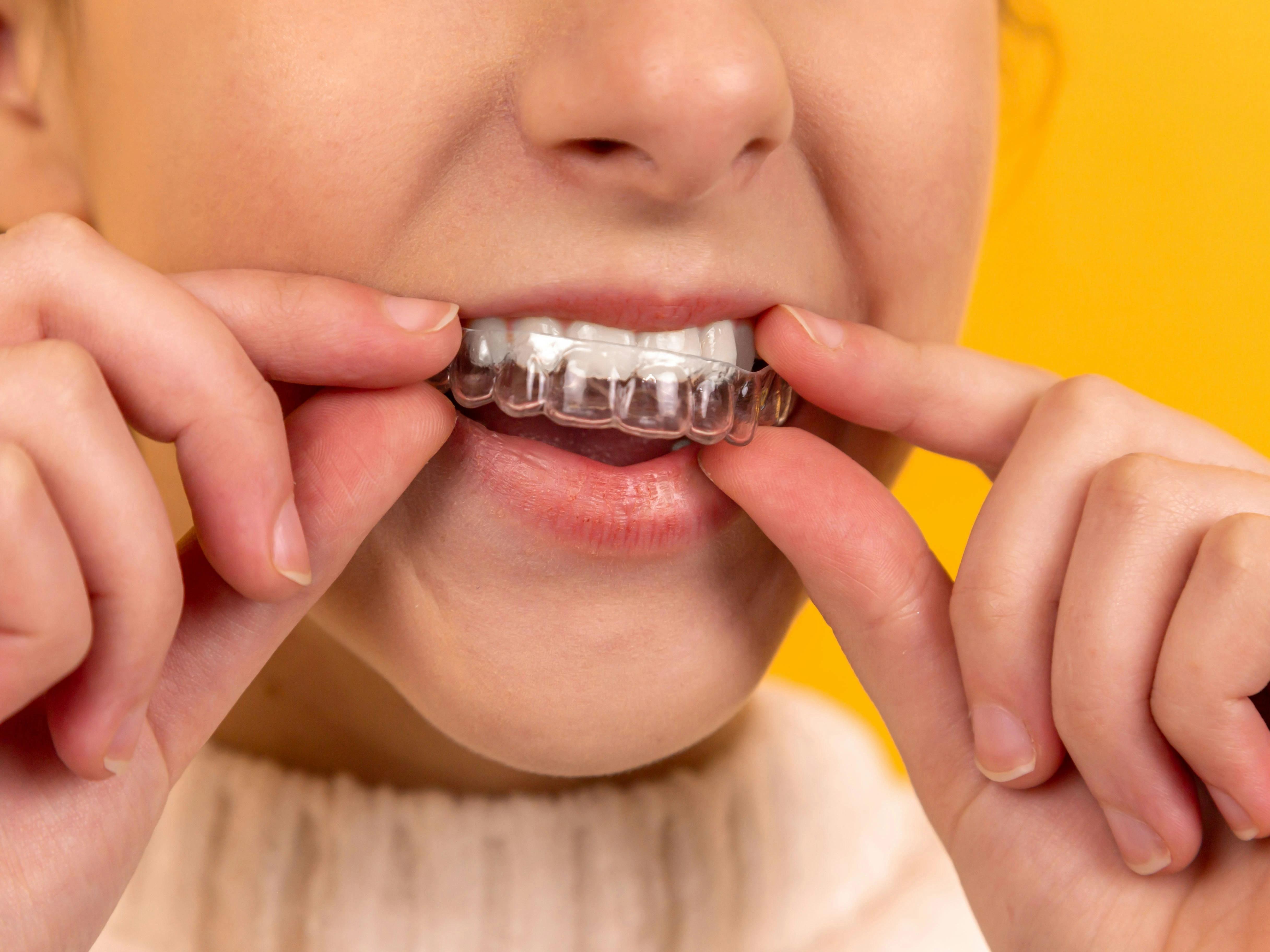
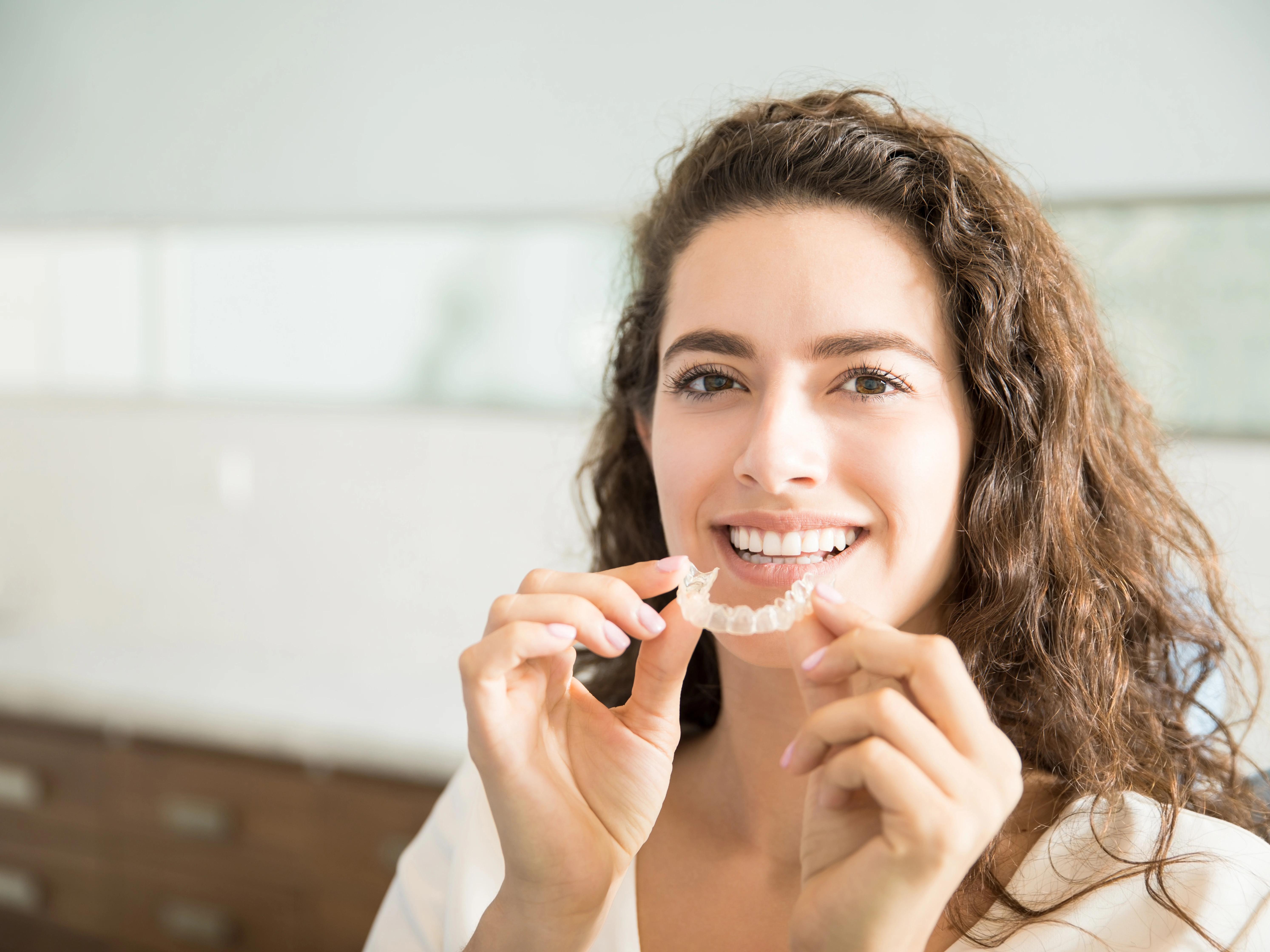
Invisalign aligners correct an underbite by applying consistent, controlled pressure to gradually shift teeth into their correct positions. The custom-made aligners are designed through a digital treatment plan that maps out each tooth movement. This process often involves the use of attachments and auxiliary appliances to enhance movement predictability.
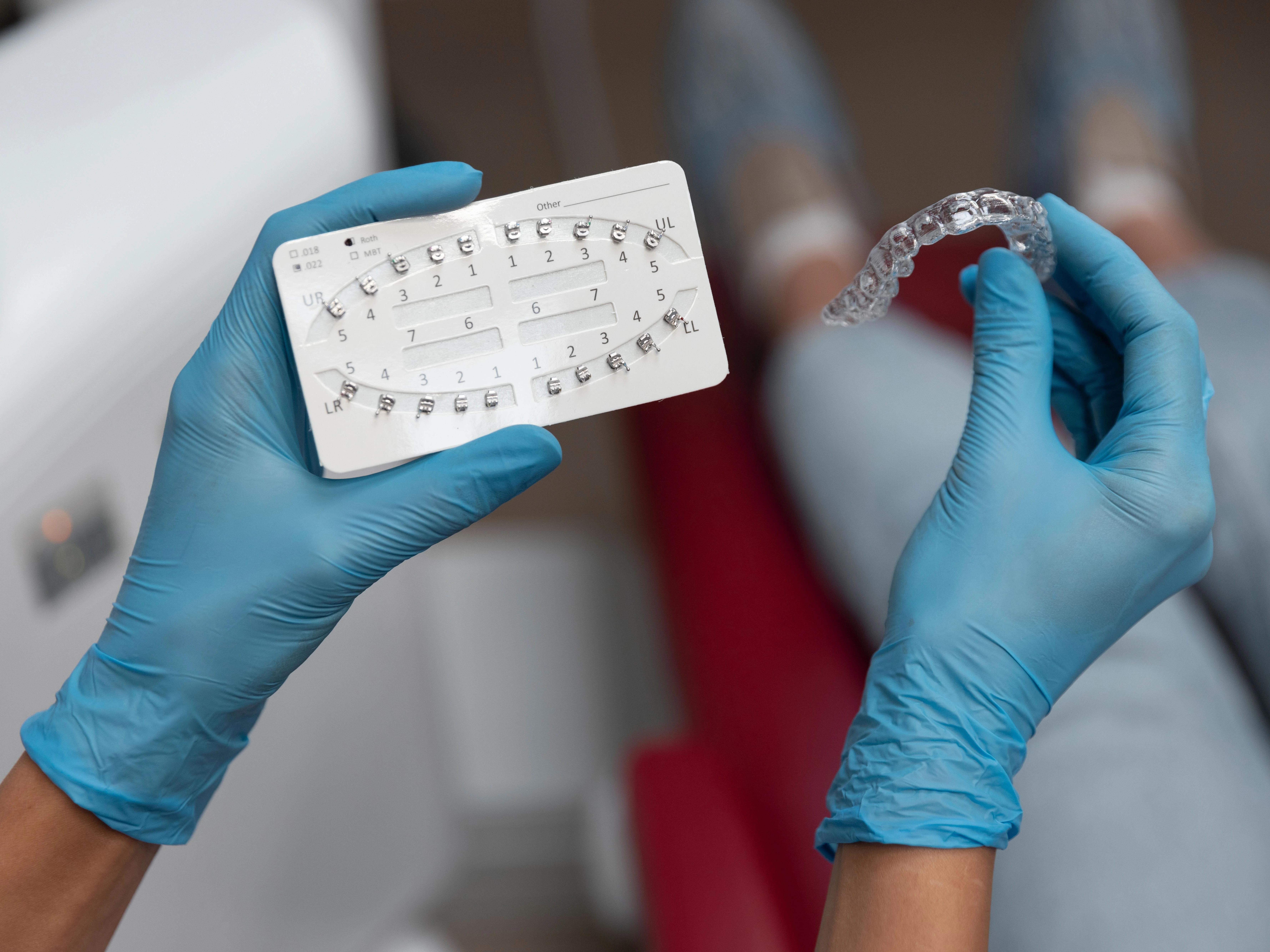
Attachments, small, tooth-coloured composites bonded to specific teeth, provide additional grip points for the aligners, enabling more complex movements. Elastics, miniature rubber bands, can also be worn with aligners to apply reciprocal forces between the upper and lower jaws, helping to correct the anteroposterior relationship. The aligners incrementally move teeth, with each new set pushing the teeth slightly closer to their final alignment. Many patients seek these dental services orthodontics invisalign because they offer a more aesthetic alternative to metal braces.
| Mechanism Component | Function in Underbite Correction | Efficacy for Jaw Movement |
|---|---|---|
Clear Aligners | Gradual tooth repositioning | Indirect (via dental movement) |
Attachments | Provide grip, control complex shifts | Supports aligner efficacy |
Elastics | Apply inter-arch forces | Direct (between jaws) |
Digital Planning | Predicts tooth movement sequence | High precision, customised plan |
- Custom aligners exert gentle, continuous force on targeted teeth.
- Attachments enhance mechanical leverage for precise tooth movements.
- Elastics, when prescribed, aid in correcting jaw discrepancies and reinforcing dental shifts.
Sources:
What Makes an Adult Suitable for Invisalign Underbite Correction?
An adult is suitable for Invisalign underbite correction typically when the malocclusion is primarily dental, meaning the teeth are out of alignment rather than the jawbone itself being significantly mispositioned. A thorough diagnostic assessment, including lateral cephalometric radiographs, distinguishes between skeletal and dental discrepancies. This assessment is vital because clear aligners alone cannot correct severe skeletal imbalances in adults due to absent growth potential.
Orthodontic camouflage, where teeth are repositioned to mask a jaw discrepancy, is effective for mild to moderate skeletal Class III cases. Clinicians evaluate the ANB angle, which measures the anteroposterior relationship of the maxilla and mandible, to determine sagittal severity. A normal skeletal profile has an ANB angle of approximately 2-4 degrees, indicating a Class I relationship. Camouflage with clear aligners is most predictable for mild skeletal Class III cases with an ANB angle between 0 and 2 degrees.
- The primary factor is the distinction between dental and skeletal underbites.
- Mild to moderate skeletal Class III cases are amenable to camouflage via Invisalign.
- Severe skeletal underbites necessitate orthognathic surgery alongside orthodontics.
Sources:
The Potency of Invisalign® in Class II Malocclusion in Adults - PMC
What Is the Average Duration of Underbite Treatment with Invisalign?
The duration of Invisalign treatment for an underbite in adults varies considerably, typically ranging from 12 to 24 months, depending on the complexity of the case. Factors like the severity of the underbite, patient compliance with wearing the aligners for 20-22 hours daily, and the need for refinements can influence the total treatment time. Simple dental misalignments will resolve faster than more complex cases involving moderate skeletal camouflage.
Invisalign Comprehensive, designed for complex malocclusions, provides unlimited aligner trays and refinement sets over a multi-year period. Cases requiring minor corrections or involving relapse might use Invisalign Express 5, which includes five or fewer aligners, leading to a much shorter treatment duration. Each patient's unique biological response to tooth movement also plays a role in the overall timeline.
| Case Complexity | Estimated Treatment Duration (Months) | Aligner Type |
|---|---|---|
Minor Dental | 6-12 | Invisalign Express 5 |
Moderate Dental | 12-18 | Invisalign Comprehensive |
Moderate Skeletal Camouflage | 18-24+ | Invisalign Comprehensive |
Severe Skeletal | Not treatable with aligners alone | Surgical intervention |
- Typical duration for moderate cases ranges from 12 to 24 months.
- Patient compliance is critical, requiring 20-22 hours of daily aligner wear.
- Refinement stages can extend the overall treatment timeline.
Sources:
Effectiveness of Invisalign Treatment on Open Bite Correction - PMC
How to Choose the Right Underbite Treatment for You
Deciding on the most appropriate underbite treatment depends on several personal and clinical factors. It is essential to consider the severity of your underbite, your budget, and your willingness to commit to the treatment protocol. A thorough orthodontic consultation will clarify the nature of your malocclusion.
- Severity of your underbite: Determine if it is dental, mild skeletal, or severe skeletal.
- Budgetary considerations: Private comprehensive treatment in the UK ranges from £2,000 to £6,000.
- Lifestyle impact: Assess your ability to adhere to 20-22 hours of aligner wear daily.
Let’s Talk About Your Smile - Free Consultation
Trusted by thousands of international patients in Albania
Frequently Asked Questions
Can aligners like Invisalign fix an underbite if it's very severe?
No, clear aligners such as Invisalign cannot correct very severe skeletal underbites in adults. These cases typically require extensive orthognathic surgery to reposition the jawbones.
How does Invisalign fix an underbite in adults compared to children?
In adults, Invisalign primarily works by repositioning teeth to camouflage mild skeletal discrepancies, as there is no remaining growth potential. In growing children, orthodontic treatments can actively guide jaw development.
Is it painful to fix an underbite with Invisalign?
Patients may experience some discomfort or pressure when starting a new set of aligners as teeth begin to shift, but this is generally manageable and temporary. Most describe it as less painful than traditional braces.
What are the financial implications of using Invisalign for an underbite?
In the private sector, the cost of comprehensive Invisalign treatment for an underbite can range from £3,500 to £6,000 in the UK. This cost covers the custom aligners and refinement stages.
Can clear aligners like Invisalign fix underbite cases with complications like crossbites?
Yes, Invisalign can address some complications like posterior crossbites, which frequently accompany Class III malocclusions, particularly in conjunction with attachments and elastics for precise control. Many affordable dental clinics in Tirana specifically offer specialized care for complex cases.
Final Thoughts
Addressing an underbite with Invisalign in adulthood offers a discreet and effective solution for many, particularly those with dental or mild skeletal discrepancies. Understanding the nuances of your specific condition and the biomechanics of clear aligners ensures realistic expectations. Consulting with an experienced orthodontist remains the crucial first step to determine suitability and embark on a tailored treatment plan.
Author

Dr. Aida Zhupani
Dr. Aida Zhupani completed her studies at the Faculty of Medical Sciences, Department of Somatology. As the founder of Zeus Dental Clinic, she is dedicated to providing professional, compassionate, and high-quality dental care. With a patient-centered approach and years of experience, Dr. Zhupani focuses on helping people feel comfortable and confident in their smiles. Her passion for dentistry and commitment to continuous learning inspire the insights she shares through this blog.