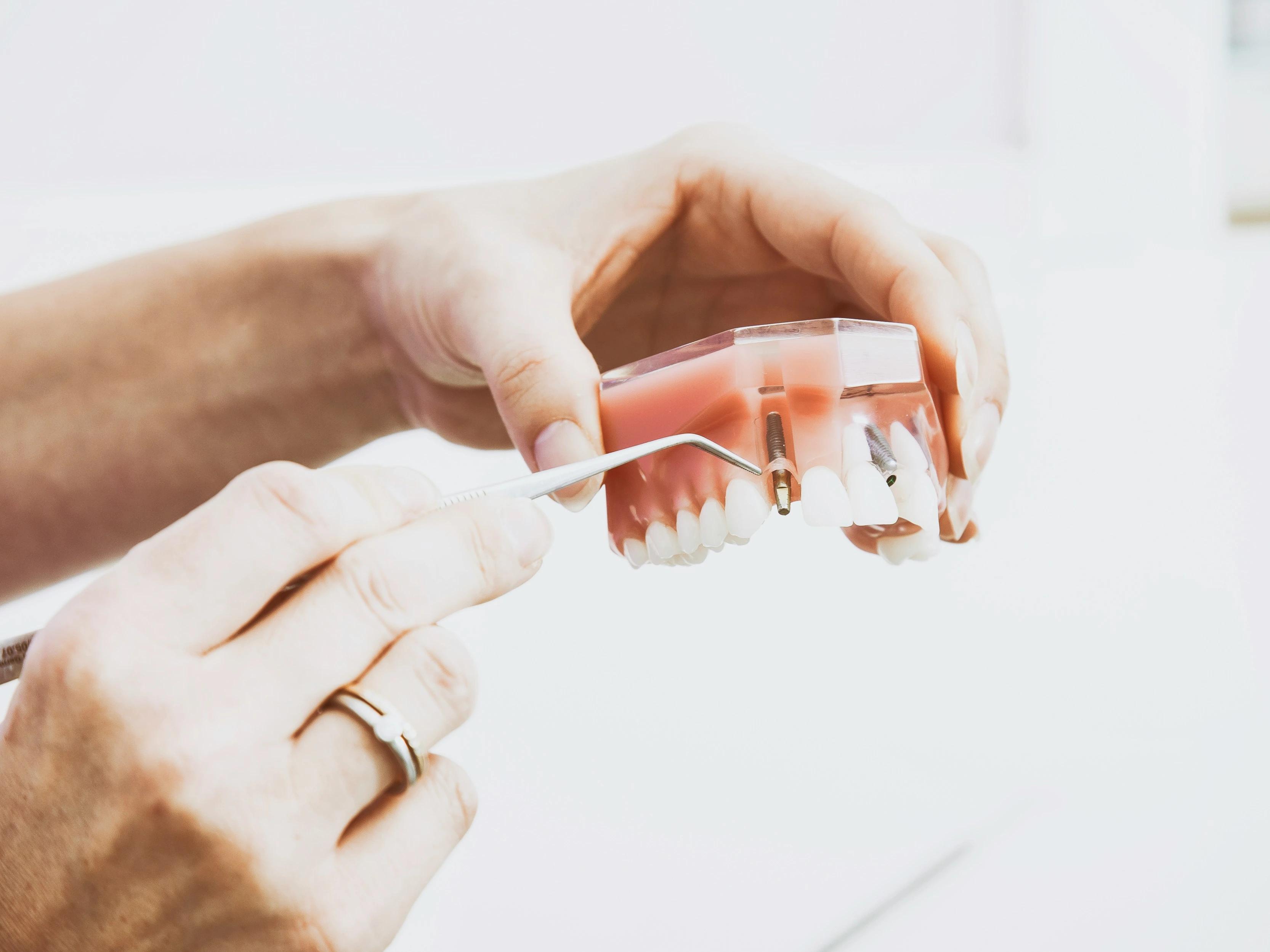
Dental Implants on the NHS: Can I Get Them?
Securing NHS-funded dental implants is exceptionally rare, as the service is reserved for specific, severe medical conditions and not for general tooth loss or cosmetic improvements.

TL;DR
NHS dental implants are not routinely available; they are reserved for exceptional cases of severe trauma, congenital anomalies, or extensive maxillofacial defects where conventional prosthetics fail to restore basic function. Funding is scarce, with a high rejection rate for single-tooth replacements and geographic variations in approval, meaning most patients must pursue private options.
What Are the Specific Criteria for NHS Dental Implants?
NHS dental implants are typically reserved for patients with severe oral conditions where conventional dental solutions are unsuitable. Eligibility usually excludes general tooth loss due to decay or gum disease, focusing instead on significant medical necessity.
- This means general tooth loss from decay or gum disease will typically not qualify a patient for implants.
- To explore alternative options, many patients research how to choose dental clinic abroad to ensure they receive high-quality care safely.
- The Royal College of Surgeons of England's national guidelines establish these strict criteria.
How Do NHS Guidelines Distinguish Between Cosmetic and Restorative Needs?
NHS guidelines draw a clear line between cosmetic enhancements and restorative needs, prioritising cases where implants are essential for basic function, rather than aesthetics. Implants are not provided for minor gaps or purely aesthetic concerns, focusing instead on conditions that severely impair masticatory or speech function. Because of these restrictions, many britons go abroad for dental treatment where restorative procedures are more accessible. This distinction affects approximately 95% of applications, as most general tooth loss is not considered an "exceptional circumstance." Funding decisions will always weigh whether conventional dentures or bridges could effectively, albeit less ideally, address the issue.
Let’s Talk About Your Smile - Free Consultation
Trusted by thousands of international patients in Albania

“”Dental implants are available on the NHS only if there is a medical need for this type of treatment and decisions about which treatment is appropriate will be based on clinical assessment and clinical judgement
- Purely cosmetic concerns are not a basis for NHS implant funding.
- The NHS aims to restore basic function, such as eating and speaking, not perfect aesthetics.
- Objective clinical evidence of functional impairment is mandatory for consideration.
What Are the Financial Implications of NHS Dental Charges for Implants?
Even for patients who exceptionally qualify for NHS dental implants, standard NHS patient charges might still apply based on the Band 3 treatment category. While the initial assessment and some related procedures could fall under lower bands, complex implant treatment would typically incur the highest charge. This means that while direct implant costs are covered, patients should anticipate the standard NHS contribution for extensive dental work. However, some patients are exempt from charges, such as those receiving income-related benefits or under 18 years of age.
- NHS dental implants, if approved, fall under Band 3 charges, currently £319.10 in England.
- Specific exemptions exist for certain patient groups, removing the charge entirely.
The highest band covers complex treatments like crowns, dentures, and bridges, which include implants when medically necessary.
What Is the Step-by-Step Process for Applying for NHS Implants?
The application process for NHS dental implants is complex, typically initiated by a referral from your general dentist to a specialist in secondary care, such as a dental teaching hospital. Following the referral, a comprehensive assessment evaluates clinical necessity against national guidelines. This often involves numerous consultations, X-rays, and scans to objectively document the need and rule out simpler solutions. Waiting times can be significant due to limited funding and the need for rigorous assessments.
A retrospective audit of exceptional funding applications at Bristol Dental Hospital revealed that despite 100% clinical compliance with national criteria, 37.8% of patients were refused funding on non-clinical, budgetary grounds. This indicates that a successful clinical assessment does not guarantee approval due to regional commissioning variations. Given these challenges, specialized dental clinics in Tirana have become popular hubs for international patients seeking efficient solutions. Untreated oral disease, such as active periodontitis or caries, is an absolute contraindication, meaning patients must achieve optimal oral health before even being considered.
- The process begins with a primary care dentist referral to a specialist centre.
- Patients undergo a rigorous clinical assessment to meet national eligibility criteria.
- Funding approval can be uncertain, reliant on local budgets and commissioning panels.
Which Types of Dental Implant Treatments Does the NHS Cover?
The NHS primarily covers complex implant treatments that restore critical function, moving beyond standard single tooth replacements for general tooth loss. This includes significant reconstructive care for acquired maxillofacial defects. For example, implants may be used to anchor large prostheses following cancer surgery in the head and neck region. Another area of coverage is for severe congenital conditions like hypodontia, where multiple teeth are missing, necessitating intricate multi-disciplinary treatment plans.
In cases where patients are completely edentulous (have no teeth) and cannot physically wear conventional dentures due to severe bone loss or neuromuscular issues, implant-retained overdentures might be considered. However, single-tooth implants for simple gaps are largely deprioritized. A study revealed 74.1% of single-tooth implant applications were refused, often leading patients to accept removable dentures instead. The focus is universally on restoring comprehensive oral function required for essential daily activities through specialized dental services and dental implants when private care is necessary.
- NHS coverage focuses on extensive rehabilitative needs, not elective single-tooth gaps.
- Multi-disciplinary care for congenital hypodontia may include implant components.
- Implant-supported overdentures for severe edentulism can be funded if conventional methods fail.
How to Choose the Right Treatment for You
Choosing the correct dental implant treatment involves careful consideration of your clinical needs, financial situation, and long-term oral health goals. Understand that NHS provision is extremely limited and primarily for severe functional impairments.
- Assess Eligibility: Determine if your condition meets the strict NHS criteria for severe trauma or congenital issues.
- Consult Specialists: Seek opinions from both an NHS specialist and private practitioners to understand all options.
- Evaluate Cost vs. Benefit: Weigh the significant private cost against the certainty and broader treatment options available outside the NHS.
- Consider Long-Term Maintenance: Factor in the ongoing care and potential future costs, such as prosthetic bridge material longevity.
- Review Alternative Prosthetics: Explore all conventional alternatives like bridges or dentures.
- Understand that NHS provision is extremely limited and primarily for severe functional impairments.
- Choosing the correct dental implant treatment involves careful consideration of your clinical needs, financial situation, and long-term oral health goals.
Let’s Talk About Your Smile - Free Consultation
Trusted by thousands of international patients in Albania
Final Thoughts
Accessing dental implants on the NHS is a rare occurrence, strictly reserved for the most severe cases of functional impairment beyond simple tooth loss. The rising Albania tourism growth reflects how many people now look toward international medical travel to solve these dental hurdles. Understanding these limitations early can help patients explore all available pathways to restoring their oral health effectively.
Frequently Asked Questions
Can I get dental implants on the NHS if I have lost a tooth due to decay?
No, the NHS does not typically provide dental implants for routine tooth loss caused by decay or conventional gum disease. Funding is reserved for severe trauma, congenital conditions, or extensive maxillofacial defects.
How does the NHS determine if my case is "exceptional"?
The NHS defines "exceptional" as conditions where basic chewing or speech functions cannot be restored by conventional dentures or bridges due to significant anatomical or physiological limitations. Referrals undergo very strict clinical review.
Are there long waiting lists for NHS dental implant assessments?
Yes, due to limited resources and high demand, there can be significant waiting lists for specialist assessments and, if approved, for the treatment itself. Funding challenges also contribute to delays.
Can I get free teeth implants on the NHS if I am on benefits?
While certain benefits may exempt you from standard NHS dental charges, this does not guarantee you will get NHS-funded implants. The strict clinical eligibility criteria must still be met, which rarely happens for general.
Author

Marcela Shehu
Marcela Shehu is the Co-Founder of Dental Tourism Albania and a UK-based patient coordinator specialising in cross-border dental care. She lives in London and splits her time between London and Tirana, giving her first-hand insight into both UK patient expectations and the standards of leading dental clinics in Albania.
Marcela works closely with carefully vetted clinics in Tirana, supporting patients with treatment planning, travel coordination, and aftercare guidance. Through the blog, she shares practical insights on dental procedures, cost comparisons, and how to safely plan dental treatment in Albania with confidence.