How Do Clip-On Veneers Work: What are the functional differences?
Removable veneers primarily differ from permanent options in function because they rely on mechanical retention by clipping over existing teeth, rather than being adhesively bonded. Permanent veneers like porcelain or high-quality emax veneers are securely bonded to the tooth surface, creating a durable, integrated solution capable of withstanding normal biting and chewing forces over many years.
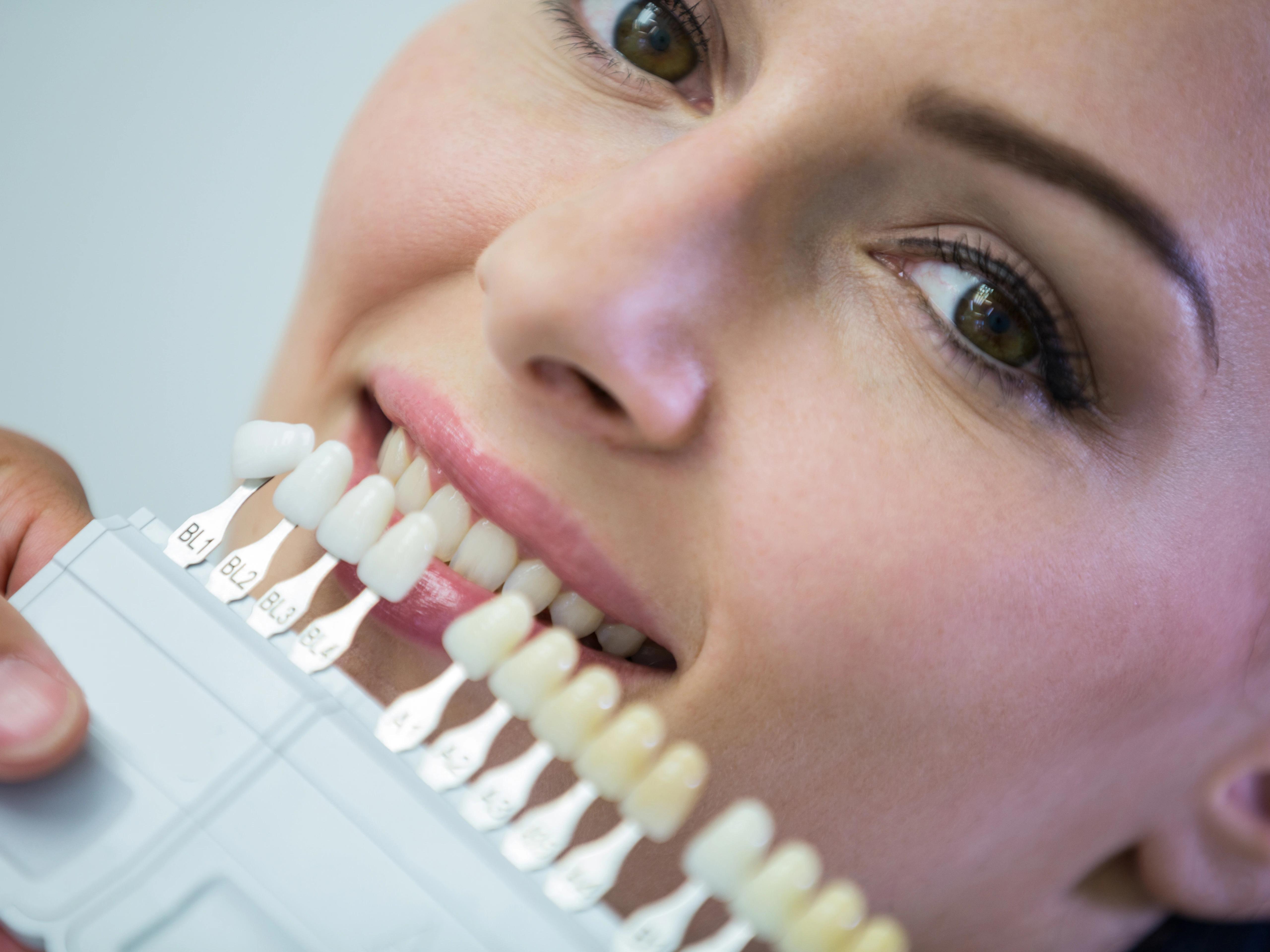
Clip-on veneers offer a removable, non-invasive cosmetic solution by snapping over existing teeth, differing from permanent options that bond directly to the tooth surface.
TL;DR
Removable clip-on and snap-on veneers, fabricated from materials like polyoxymethylene (POM), are designed for temporary aesthetic improvement by mechanically engaging anatomical undercuts of existing teeth. Unlike permanent dental veneers which are bonded to the tooth and offer long-term durability and structural integrity, these temporary devices carry significant risks including gingival hyperplasia (62. 2%), altered smell/taste (66.3%), and toothache (59%)
Quick Tips
- Seek professional dental consultation first.
- Understand temporary versus permanent solutions.
- Prioritise oral health before aesthetics.
How Do Removable Veneers Differ from Permanent Options in Function?
Removable veneers primarily differ from permanent options in function because they rely on mechanical retention by clipping over existing teeth, rather than being adhesively bonded. Permanent veneers like porcelain or high-quality emax veneers are securely bonded to the tooth surface, creating a durable, integrated solution capable of withstanding normal biting and chewing forces over many years. This allows them to effectively distribute occlusal forces, whereas removable options merely cover the teeth without becoming a true part of the dental anatomy.
- Removable veneers function by flexing over the existing tooth bulge and snapping into place using anatomical undercuts.
- Permanent veneers, including porcelain laminates, are bonded to the tooth for integration and long-term stability, often showing a 97.4% survival rate after 36-60 months.
- The distinction means permanent options provide a monolithic force distribution.
What Materials and Processes Are Used for Removable Veneers?
Removable veneers, particularly clinical-grade appliances like Snap-On Smile, are typically crafted from crystallised acetyl resin, known as polyoxymethylene (POM). This material is chosen for its specific mechanical properties, allowing it to withstand cyclic chewing stresses without structural failure. The manufacturing process involves creating a shell that flexes past the natural tooth bulge and then passively snaps into place at the anatomical undercuts, utilising the natural contours of the teeth rather than chemical bonding, leveraging the material's flexibility and impact resistance.
- POM possesses high tensile strength and impact resistance, ensuring durability during regular use.
- The material is specifically engineered to maintain a low modulus of elasticity for comfortable, snap-on retention.
- This design allows the veneer to securely fit over existing teeth without requiring permanent alterations or adhesives.
How Are Clip-On Veneers Applied and Removed?
Clip-on veneers are applied by firmly pressing the device over the natural teeth until it secures into place, and removed by gently releasing the mechanical retention.
- The application process involves positioning the veneer over the existing teeth and pressing down until it clicks into the anatomical undercuts, typically taking mere seconds.
- Removal is achieved by applying gentle outward pressure, often starting from the posterior (back) teeth, to disengage the veneer from the natural teeth.
- These veneers are designed for independent use, negating the need for dental adhesives or professional assistance during daily application and removal.
When Are Removable Veneers a Suitable Solution, and When Are They Not?
Removable veneers are a suitable solution for individuals seeking a temporary aesthetic improvement for specific events or as a short-term cosmetic enhancement, provided their oral health is otherwise sound. These devices should not be used if a patient has active dental caries, active periodontal disease, severe tooth mobility, or is currently undergoing orthodontic treatment, as they can exacerbate existing oral health issues. For instance, clip-on veneers can trap bacteria and sugars against tooth surfaces, accelerating decay if untreated cavities are present. Finding reputable dental clinics in Tirana can ensure a professional evaluation before choosing these devices.
- Removable veneers are appropriate for purely cosmetic, short-term use in individuals with excellent oral hygiene.
- They are unsuitable for masking severe underlying structural defects, which require professional diagnosis and treatment by a dentist.
- This solution is contraindicated for those with active oral infections, chronic inflammation, or significant tooth mobility exceeding 1mm horizontally.
How to Choose the Right Temporary Cosmetic Solution for You
Choosing the right temporary cosmetic solution requires careful consideration of personal needs and oral health status. One must also learn how to choose a dental clinic abroad if seeking more affordable permanent restorative work.
- Consult a dental professional to assess underlying oral health.
- Define your primary goal: temporary aesthetic fix or long-term solution.
- Evaluate your budget constraints for initial cost versus ongoing maintenance.
Let’s Talk About Your Smile - Free Consultation
Trusted by thousands of international patients in Albania

Frequently Asked Questions
What is the typical lifespan of clip-on veneers?
The typical lifespan of clip-on veneers varies significantly, ranging from 6 months to 5 years, depending on the material quality, care, and frequency of use. This is much shorter than professionally bonded permanent veneers.
Can clip-on veneers fix all dental imperfections?
No, clip-on veneers are primarily cosmetic and can only mask minor imperfections like discolouration or small gaps. They do not correct underlying structural defects, severe misalignments, or functional issues.
Are clip-on veneers comfortable to wear?
Many users report immediate physical discomfort, altered smell or taste, and gum irritation due to the fit and lack of calibration for individual oral anatomy during wear. Comfort is highly subjective and variable.
Final Thoughts
When considering cosmetic dental solutions, the choice between temporary clip-on veneers and permanent options is significant. While clip-on devices offer a quick, non-invasive aesthetic improvement, it's crucial to understand their limitations and potential oral health risks. Prioritising professional dental consultation ensures that any underlying issues are addressed, providing a foundation.