Invisalign vs Traditional Braces: Differences, Costs, and Clinical Suitability
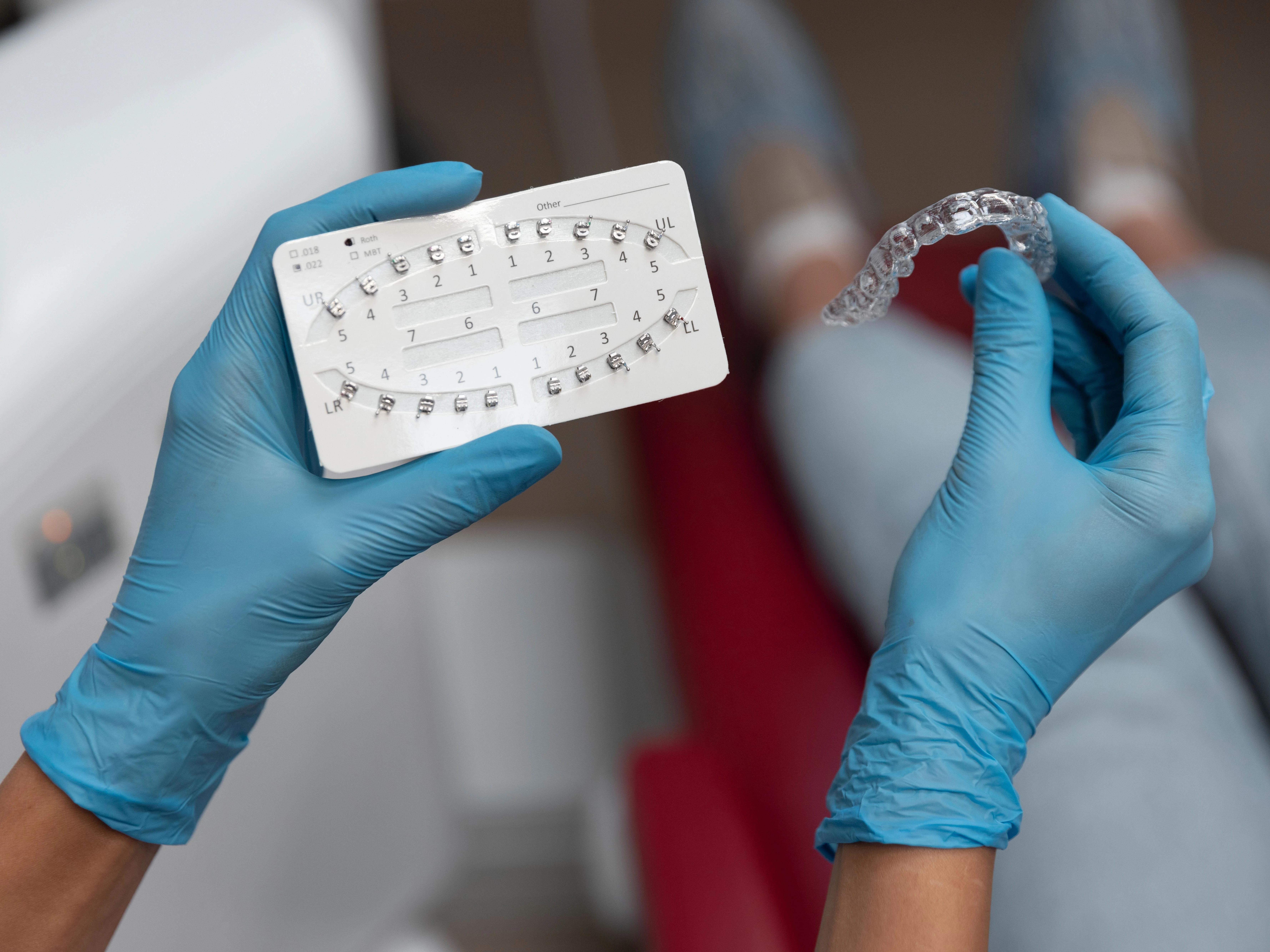
Invisalign and traditional braces are orthodontic treatments used to straighten teeth and improve bite alignment. Invisalign uses removable clear aligners for discreet, flexible treatment, while braces use fixed brackets and wires for greater control. The right option depends on case complexity, lifestyle preferences, and patient compliance.
TL;DR
Invisalign and traditional braces both straighten teeth, but they suit different needs. Invisalign prioritises discretion and flexibility for mild to moderate cases with high patient compliance, while traditional braces offer greater control and predictability for complex alignment and bite problems, often at a similar overall cost in the UK.
Invisalign
- Removable clear aligner system for mild to moderate orthodontic issues
- Best for adults and older teenagers prioritising discretion and flexibility
- Requires high compliance (20-22 hours per day)
- Typical UK private cost: £2,000-£5,000
- Typical treatment time: 6-18 months
Traditional Braces
- Fixed orthodontic system suitable for mild to complex alignment and bite problems
- More visible, but offers greater control and predictability
- Minimal reliance on patient compliance once fitted
- Typical UK private cost: £1,800-£7,000
- Typical treatment time: 12-24 months
Bottom line: Invisalign suits motivated patients with straightforward needs. Braces remain the more predictable choice for complex cases.
Invisalign vs Traditional Braces
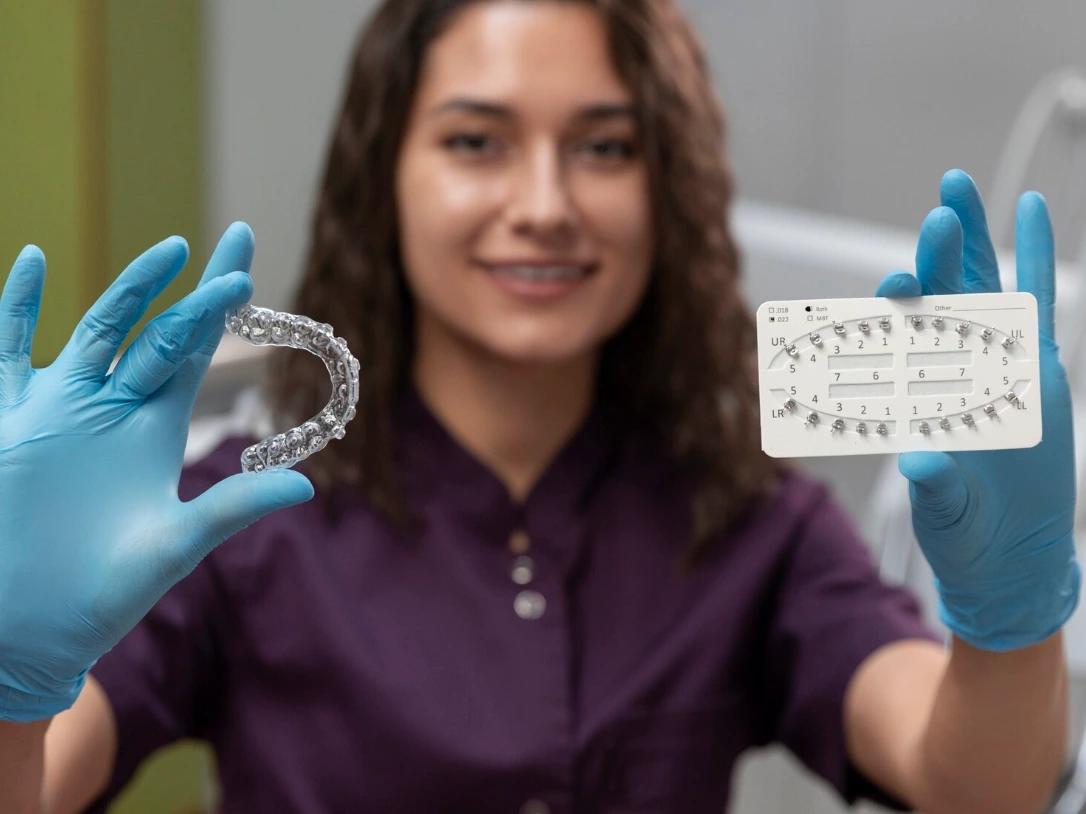
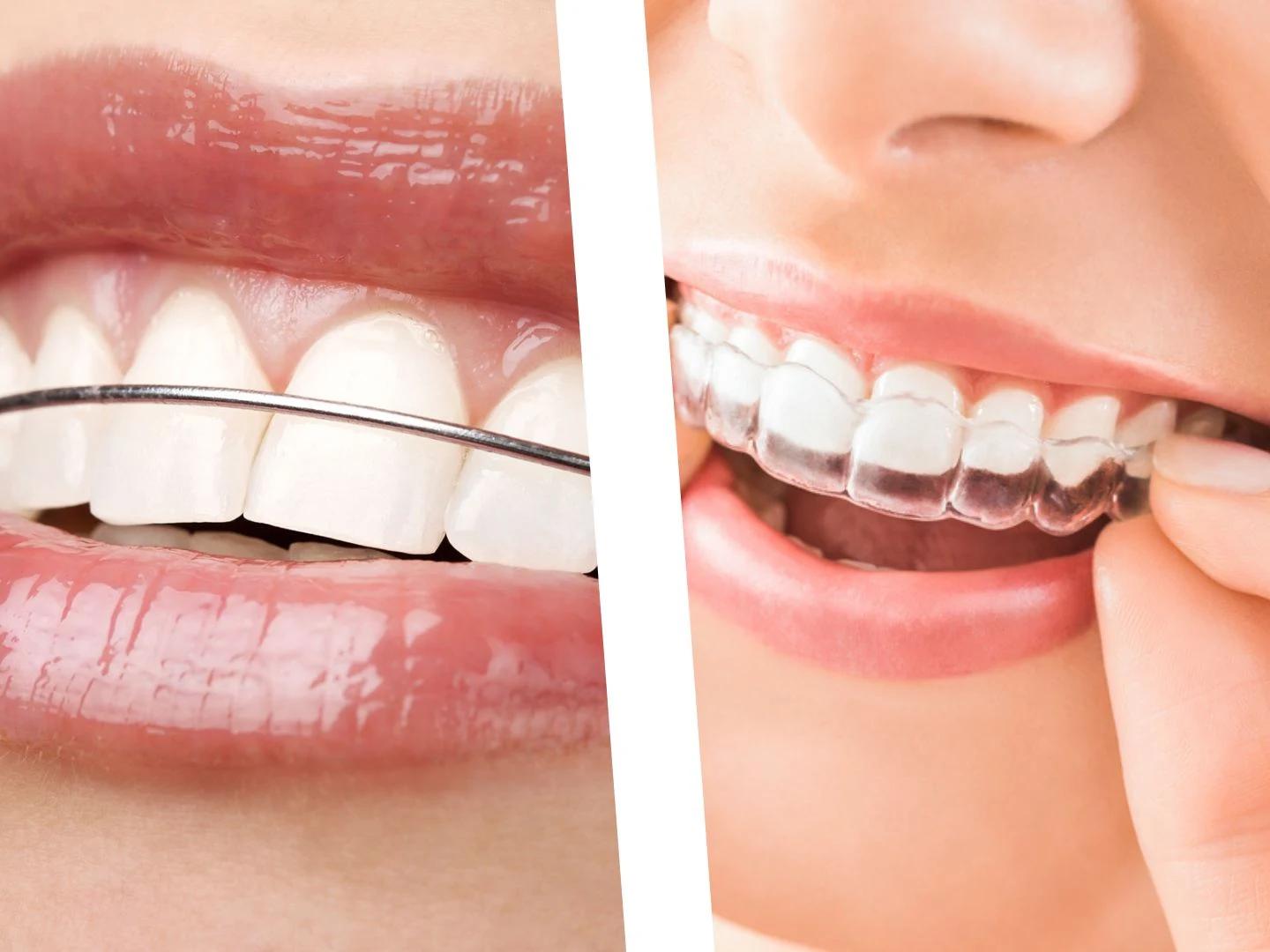
Invisalign and traditional braces both aim to straighten teeth and correct bite problems, but they do so using fundamentally different mechanics. Invisalign uses a series of removable clear aligners that gradually move teeth through controlled stages. Braces rely on fixed brackets and wires that apply continuous force.
Clinically, neither option is “better” in absolute terms. The effectiveness of each depends on the orthodontic problem being treated and how well the system is used. Invisalign prioritises discretion and flexibility, while braces prioritise control, predictability, and the ability to manage complex movements.
References:
At-a-Glance Comparison
| Factor | Invisalign | Traditional Braces |
|---|---|---|
Typical UK cost (private) | £2,000-£5,000 (depending on case complexity and number of aligners) | £1,800-£7,000 (with metal braces usually at the lower end) |
Visibility | Virtually invisible during normal conversation | Visible: metal or tooth-coloured ceramic brackets |
Removability | Removable for eating and cleaning | Fixed in place for the full treatment duration |
Treatment time | ~6-18 months for most suitable cases | ~12-24 months, often longer for complex cases |
Compliance required | High: aligners must be worn 20-22 hours per day | Low: braces work continuously once fitted |
Suitable for complex cases | Limited: case-dependent | Excellent: suitable for severe crowding and bite correction |
Maintenance | Easier day-to-day cleaning due to removability | More demanding hygiene around brackets and wires |
Emergency visits | Rare, usually limited to lost or damaged aligners | More common due to broken brackets or wires |
What Is Invisalign?
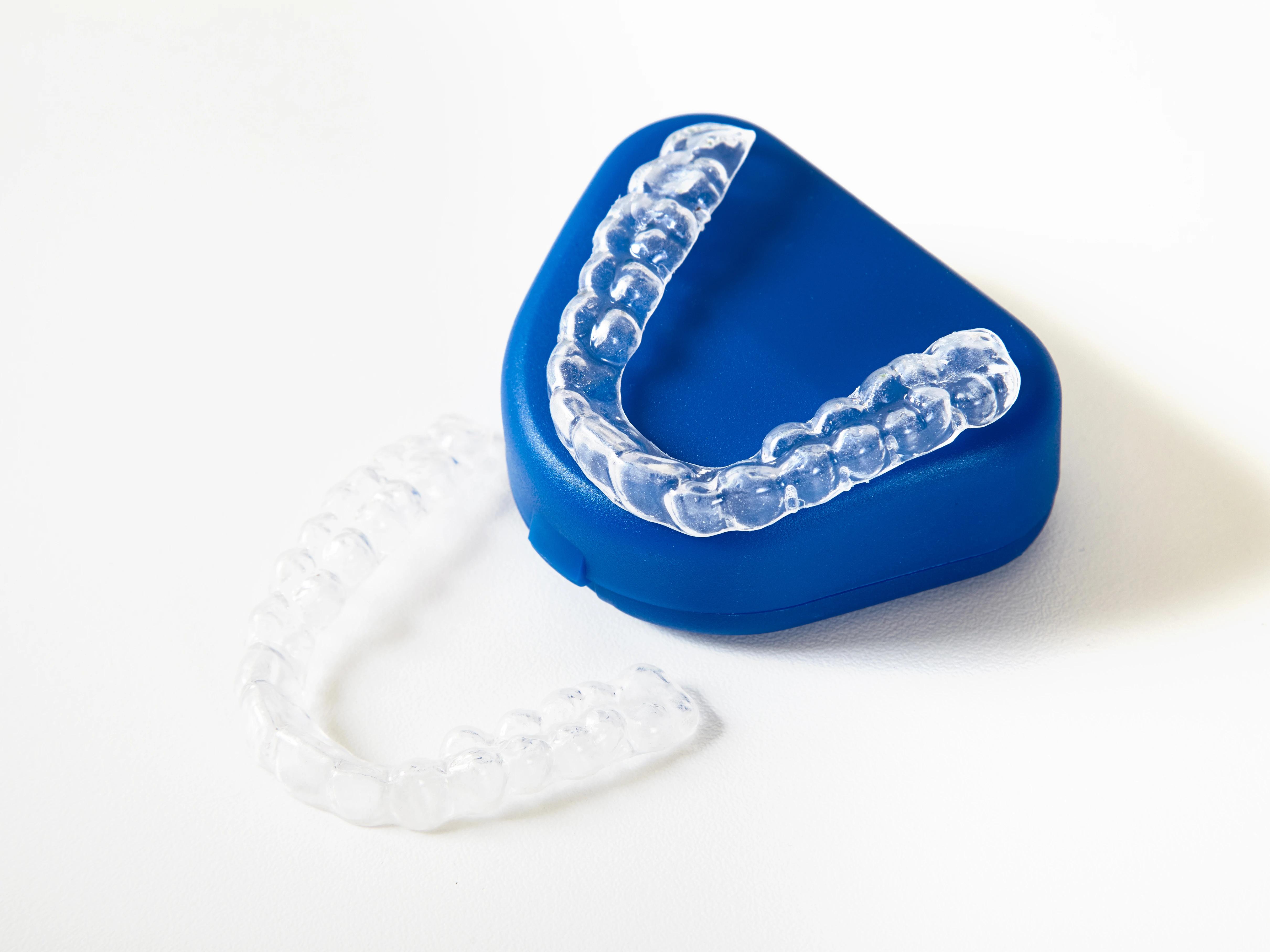
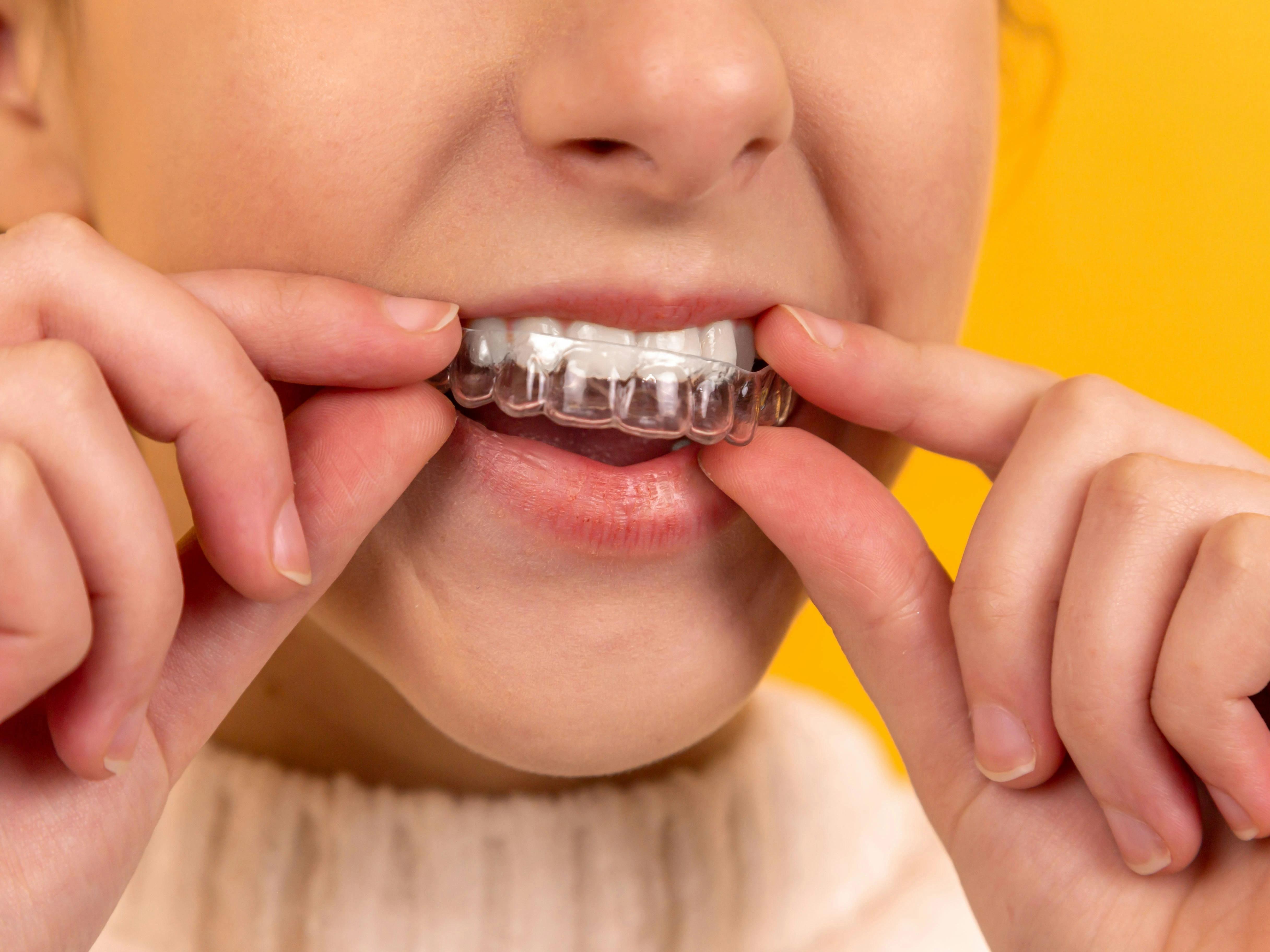
Invisalign is a clear aligner orthodontic system that straightens teeth using a sequence of custom-made plastic trays. Each aligner is worn for around 1-2 weeks before progressing to the next stage, with each tray applying small, controlled movements.
Treatment is digitally planned from start to finish using 3D scans. This allows the dentist or orthodontist to map tooth movement in advance and show a projected outcome before treatment begins.
Because aligners are removable, Invisalign offers practical day-to-day advantages:
- Patients can eat without restrictions, as aligners are removed for meals
- Teeth can be brushed and flossed normally, without brackets or wires
However, Invisalign relies heavily on patient compliance. Aligners must be worn for 20-22 hours per day. Inconsistent wear is the most common cause of delayed treatment, poor tracking, or suboptimal results.
Clinically, Invisalign is best suited to:
- Mild to moderate crowding or spacing
- Relapse after previous orthodontic treatment
More complex cases, such as significant bite correction, large tooth rotations, or vertical tooth movements, can be less predictable and may be better treated with fixed braces.
References:
How Invisalign® treatment works
What Are Traditional Braces?
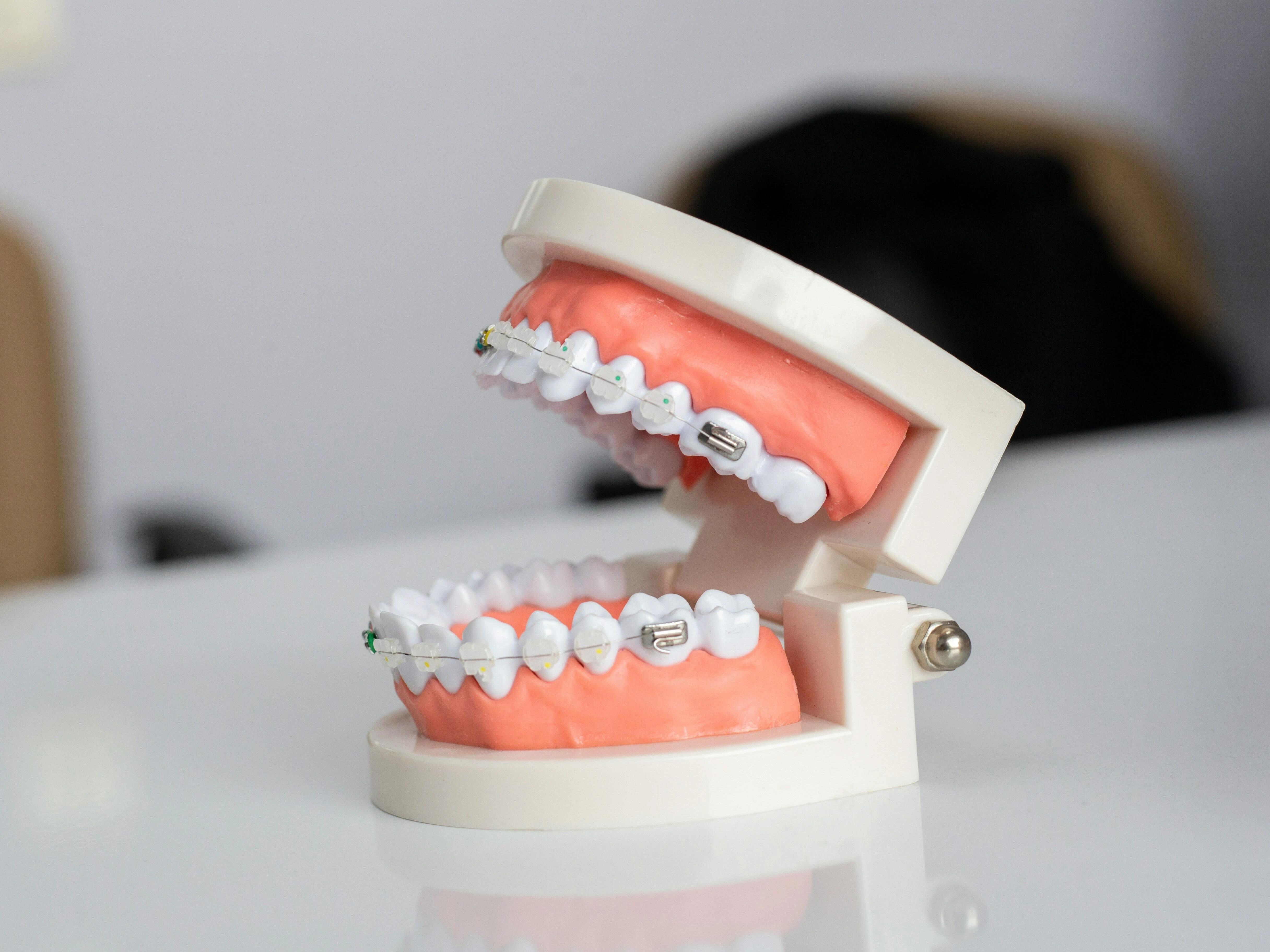
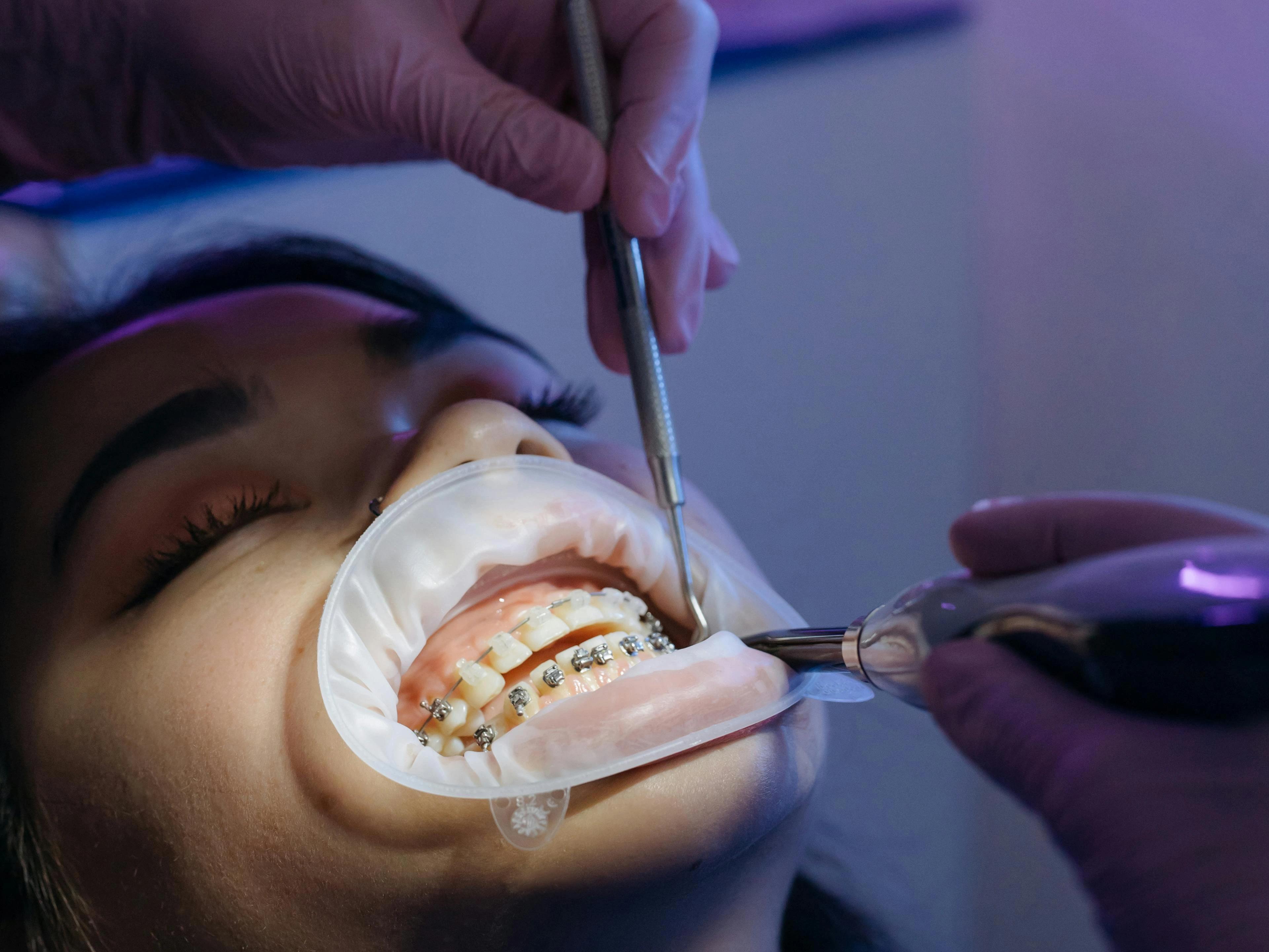
Traditional metal braces are a fixed orthodontic system made up of brackets bonded to the teeth and connected by an archwire. The wire applies continuous force, gradually moving teeth into their planned positions. Adjustments are carried out periodically by the orthodontist to maintain progress.
There are several types of fixed braces:
- Metal braces: the most common and durable option
- Ceramic (porcelain / clear) braces: tooth-coloured brackets that are less noticeable but slightly more fragile
- Lingual braces: attached to the back of the teeth, making them invisible from the front, but more expensive and technically demanding
Because braces are fixed in place, they work continuously and do not rely on patient compliance. This makes them particularly effective for:
- Teenagers and younger patients
- Complex orthodontic cases
- Significant bite correction or jaw relationship issues
- Severe crowding or tooth rotations
The main drawbacks of braces relate to lifestyle and comfort. They are more visible than aligners, can cause temporary discomfort after adjustments, and make oral hygiene more demanding. Patients must also avoid hard or sticky foods to reduce the risk of broken brackets or wires.
References:
Let’s Talk About Your Smile - Free Consultation
Trusted by thousands of international patients in Albania

Key Differences Explained
The core difference between Invisalign and traditional braces is control versus convenience. Braces give orthodontists greater mechanical control over tooth movement, which is why they remain the gold standard for complex cases. Invisalign prioritises comfort and discretion, but operates within more defined clinical limits.
Key distinctions include:
- Level of control - Braces allow precise management of difficult movements such as rotations, vertical changes, and bite correction. Invisalign can be highly effective, but is more case‑dependent.
- Visibility and comfort - Invisalign is discreet and generally more comfortable day to day. Braces are more visible and can cause short‑term discomfort after adjustments.
Cost differences are often smaller than patients expect. Invisalign cost is usually higher, but the gap narrows for longer or more complex treatments where braces require extended appointments and adjustments.
Another important difference is responsibility:
- Invisalign places much of the success of treatment in the patient’s hands. Aligners must be worn consistently for 20–22 hours per day for planned tooth movement to occur.
- Braces work continuously once fitted and do not depend on daily patient behaviour, which can make outcomes more predictable in certain cases.
References:
Fixed braces or Invisalign: Which is best for you? - Bupa Dental Care
Practical Comparison of Invisalign and Braces
| Treatment Type | Pros | Cons |
|---|---|---|
Invisalign |
|
|
Metal Braces |
|
|
Ceramic Braces |
|
|
Lingual Braces |
|
|
Who Is Invisalign Best For?
Invisalign is best suited to adults and older teenagers with mild to moderate orthodontic issues who value discretion and lifestyle flexibility, particularly in professional or social settings.
Clinically, it is most effective for predictable, limited tooth movements such as mild crowding, small gaps, minor relapse after previous treatment, and straightforward alignment without significant bite problems. Because aligners are removable, success depends on high compliance. Aligners must be worn for 20–22 hours per day, and motivated, organised patients tend to achieve the most reliable results.
Invisalign is ideal if you:
- Want discreet treatment
- Have mild to moderate crowding or spacing
- Can commit to wearing aligners consistently
- Prefer easier cleaning and fewer food restrictions
- Have work or social reasons to avoid visible braces
Patient profile and suitability
| Patient profile | Suitability |
|---|---|
Mild crowding | ✓ Excellent |
Adult professionals | ✓ Ideal |
Poor compliance | ✕ Not suitable |
Complex bite issues | ⚠ Case-dependent |
References:
Why Invisalign clear aligners? - Invisalign
Who Are Braces Best For?
Traditional braces are best suited to patients with complex orthodontic needs or those who prefer a fixed appliance that works continuously without relying on patient compliance. Being bonded to the teeth, braces give orthodontists greater control over tooth movement and bite correction.
Traditional braces are particularly effective for severe crowding, significant rotations, vertical movements, and complex bite problems such as overbites, underbites, crossbites, and open bites. Their fixed nature allows precise force application and predictable adjustments.
Braces are commonly recommended for teenagers and younger patients, where compliance with removable aligners may be inconsistent, and are often the most cost-effective option for complex treatment. While more visible and hygiene-dependent, their durability make them the gold standard for comprehensive orthodontic correction.
Braces are ideal if you:
- Have severe crowding or bite problems
- Need precise tooth movement
- Prefer not to manage removable aligners
- Are a teenager or younger patient
- Want a cost-effective solution for complex treatment
Patient profile and suitability
| Patient profile | Suitability |
|---|---|
Severe malocclusion | ✓ Excellent |
Teenagers | ✓ Ideal |
Aesthetic concerns | ✕ Less suitable |
Complex movements | ✓ Strong fit |
Risks and Limitations Often Overlooked
Although both Invisalign and traditional braces are well‑established orthodontic treatments, each has limitations that are not always clearly explained at the outset. Understanding these risks is important for setting realistic expectations and avoiding avoidable complications.
With Invisalign, the most common issue is under‑wearing aligners. If aligners are not worn for the recommended 20-22 hours per day, teeth may fail to track as planned. This can result in:
- Extended treatment time
- The need for additional refinement aligners
- Compromised final alignment in some cases
Lost or damaged aligners are another practical risk, particularly during travel or busy work schedules, and can interrupt treatment progress if not replaced promptly.
With braces, risks are more closely linked to oral hygiene. Brackets and wires create plaque‑retentive areas that increase the likelihood of:
- Enamel decalcification (white spot lesions)
- Gum inflammation and bleeding
- Increased risk of cavities if hygiene is poor
White spot lesions can become permanent once braces are removed, leaving visible marks on the teeth even after successful alignment.
Both systems can cause temporary discomfort, particularly after adjustments or when changing aligners. Mild root resorption is also a recognised risk with any orthodontic treatment, though this is usually minimal when treatment is properly planned and monitored.
References:
Risk of orthodontic treatment - Guidance on informing patients
Maintenance and Aftercare
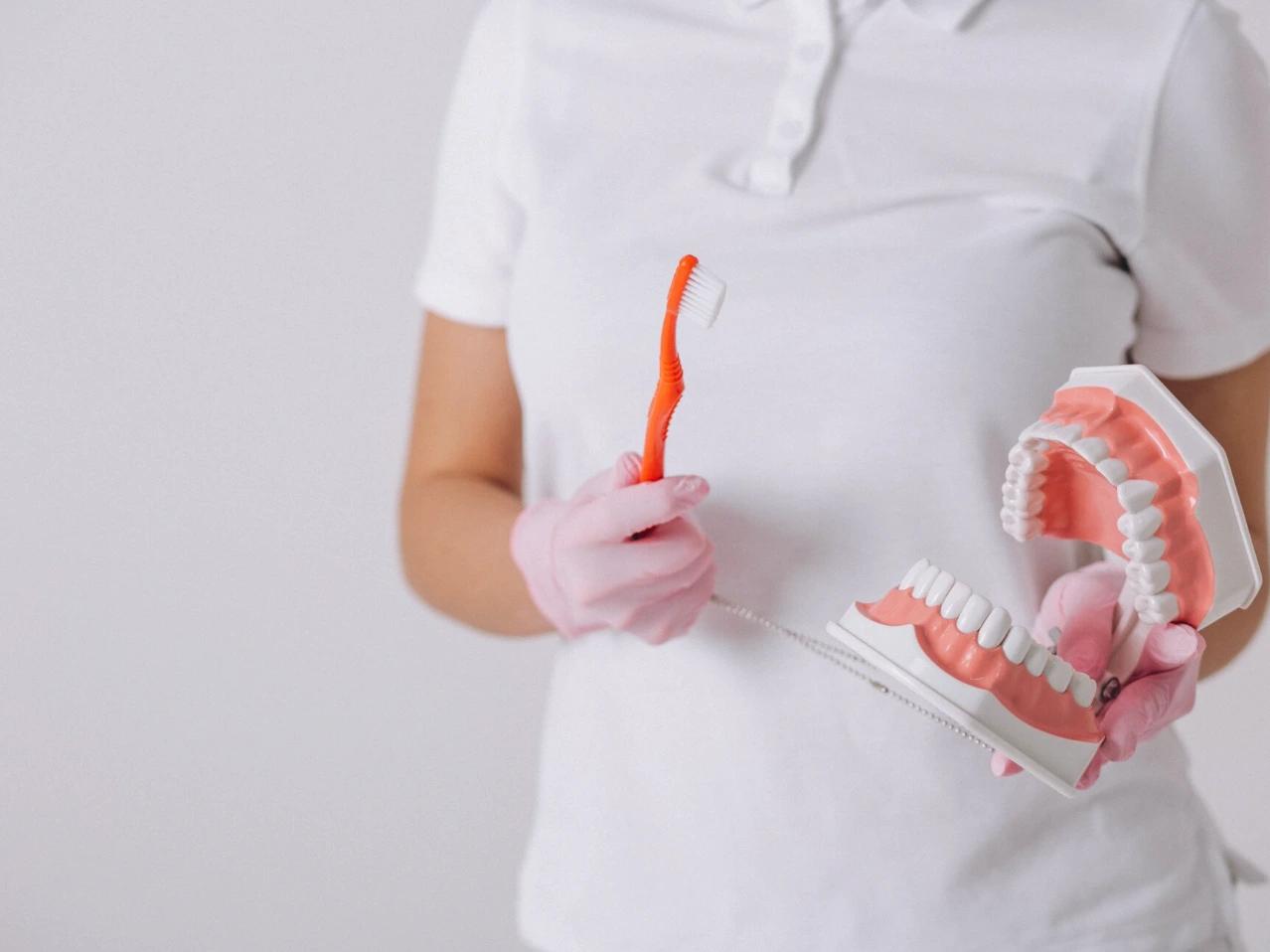
Long‑term success with both Invisalign and braces depends heavily on maintenance during treatment and retention afterwards. While neither option is high‑maintenance, neglecting aftercare significantly increases the risk of complications and relapse.
Invisalign requires regular cleaning of both teeth and aligners. Aligners should always be removed for eating and drinking anything other than water. To maintain hygiene and comfort:
- Aligners should be cleaned daily to prevent odour and bacterial build‑up
- Hot water should be avoided, as it can distort aligners
- Teeth should be brushed before reinserting aligners to reduce decay risk
Braces require more intensive oral hygiene due to fixed brackets and wires. Patients should:
- Brush carefully around brackets after every meal
- Use interdental brushes or floss aids daily
- Attend regular professional hygiene appointments
Dietary restrictions are also essential with braces. Hard, sticky, or chewy foods can break brackets or bend wires, leading to emergency visits and treatment delays.
Retention is critical after both treatments. Once teeth have been moved, they naturally tend to shift back toward their original positions. Most patients will need retainers long‑term, often indefinitely at night, to maintain results and protect the investment made in orthodontic treatment.
References:
Caring for your brace - Bupa Dental Care
UK Cost Breakdown
Orthodontic treatment in the UK is typically provided on a private basis for adults, with costs varying widely depending on case complexity, treatment duration, and clinician experience. Unlike NHS orthodontics, private fees reflect planning time, review appointments, appliance type, and long‑term retention.
Typical UK private costs are outlined below:
| Treatment | Typical UK private cost |
|---|---|
Invisalign (full) | £2,000 - £5,000 |
Metal braces | £1,800 - £3,000 |
Ceramic braces | £2,000 - £5,000 |
Lingual braces | £3,000 - £7,000 |
Invisalign costs tend to sit toward the higher end because fees often include digital planning, multiple sets of aligners, and refinement stages if needed. Braces are usually less expensive upfront, particularly metal braces, but longer or more complex cases can narrow the price difference.
It is important to confirm what is included in any quoted fee. Some clinics bundle retainers, reviews, and emergency visits into a single price, while others charge separately. Comparing costs on a like‑for‑like basis is essential to avoid unexpected expenses later in treatment.
References:
Private Dental Pricing - Your smile is priceless | Pure Dental Health
Final Decision Framework
| Decision factor | Invisalign | Braces |
|---|---|---|
Mild cosmetic alignment | ✓ | - |
Complex bite correction | - | ✓ |
Discretion priority | ✓ | - |
Low compliance tolerance | - | ✓ |
Lower upfront cost | - | ✓ |
Lifestyle flexibility | ✓ | - |
Frequently Asked Questions
Is Invisalign faster than braces?
Not always. Treatment time depends on case complexity and compliance. Invisalign can be comparable for mild cases, while braces are often more predictable for complex treatment.
Do braces work better than Invisalign?
For complex bite problems and difficult tooth movements, yes. For mild to moderate cases, both can produce similar results when properly planned.
Is Invisalign painful?
Both systems can cause short-term discomfort, especially after adjustments or when changing aligners. This is usually mild and temporary.
Are results permanent?
Only with retention. Teeth naturally shift over time, so long-term retainer wear is required after both Invisalign and braces.
Is orthodontic treatment covered by the NHS for adults?
In most cases, no. Adult orthodontic treatment in the UK is usually provided privately.
Final Thoughts
Invisalign and traditional braces are both established, evidence‑based orthodontic treatments, but they serve different patient needs. Invisalign offers a discreet, flexible approach that integrates more easily into adult lifestyles when cases are clinically suitable and compliance is high.
Traditional braces remain the most predictable and versatile option for complex tooth movement and bite correction. Their fixed nature reduces reliance on patient behaviour and allows orthodontists greater control over outcomes.
Choosing between the two should begin with a proper orthodontic assessment rather than aesthetics or cost alone. Case complexity, long‑term stability, and retention requirements all play a central role in treatment success. When matched correctly to the patient, both systems can deliver stable, long‑lasting results.
Let’s Talk About Your Smile - Free Consultation
Trusted by thousands of international patients in Albania
References:
Fixed Orthodontic Appliances - British Orthodontic Society
Invisalign vs. Braces: Which Is Faster, Cheaper & More Effective?
How Invisalign® treatment works
Clear aligners - British Orthodontic Society (BOS)
Fixed braces or Invisalign: Which is best for you? - Bupa Dental Care
Why Invisalign clear aligners? - Invisalign
Private Dental Pricing - Your smile is priceless | Pure Dental Health
Author

Dr. Aida Zhupani
Dr. Aida Zhupani completed her studies at the Faculty of Medical Sciences, Department of Somatology. As the founder of Zeus Dental Clinic, she is dedicated to providing professional, compassionate, and high-quality dental care. With a patient-centered approach and years of experience, Dr. Zhupani focuses on helping people feel comfortable and confident in their smiles. Her passion for dentistry and commitment to continuous learning inspire the insights she shares through this blog.
Related Blogs