Dental Veneers vs Crowns: A Guide to Choosing Your Smile Restoration
When comparing dental veneers vs crowns, the primary difference lies in the volume of tooth structure removed; veneers require only 0.3mm to 0.7mm of enamel reduction while crowns necessitate a 60% to 70% reduction of the natural tooth to fit a protective cap. Modern E-max veneers and Zirconia crowns from leading European clinics like those in Albania, Hungary or Turkey offer the best balance of aesthetics and durability for smile makeovers starting at approximately £180 per tooth.
TL;DR
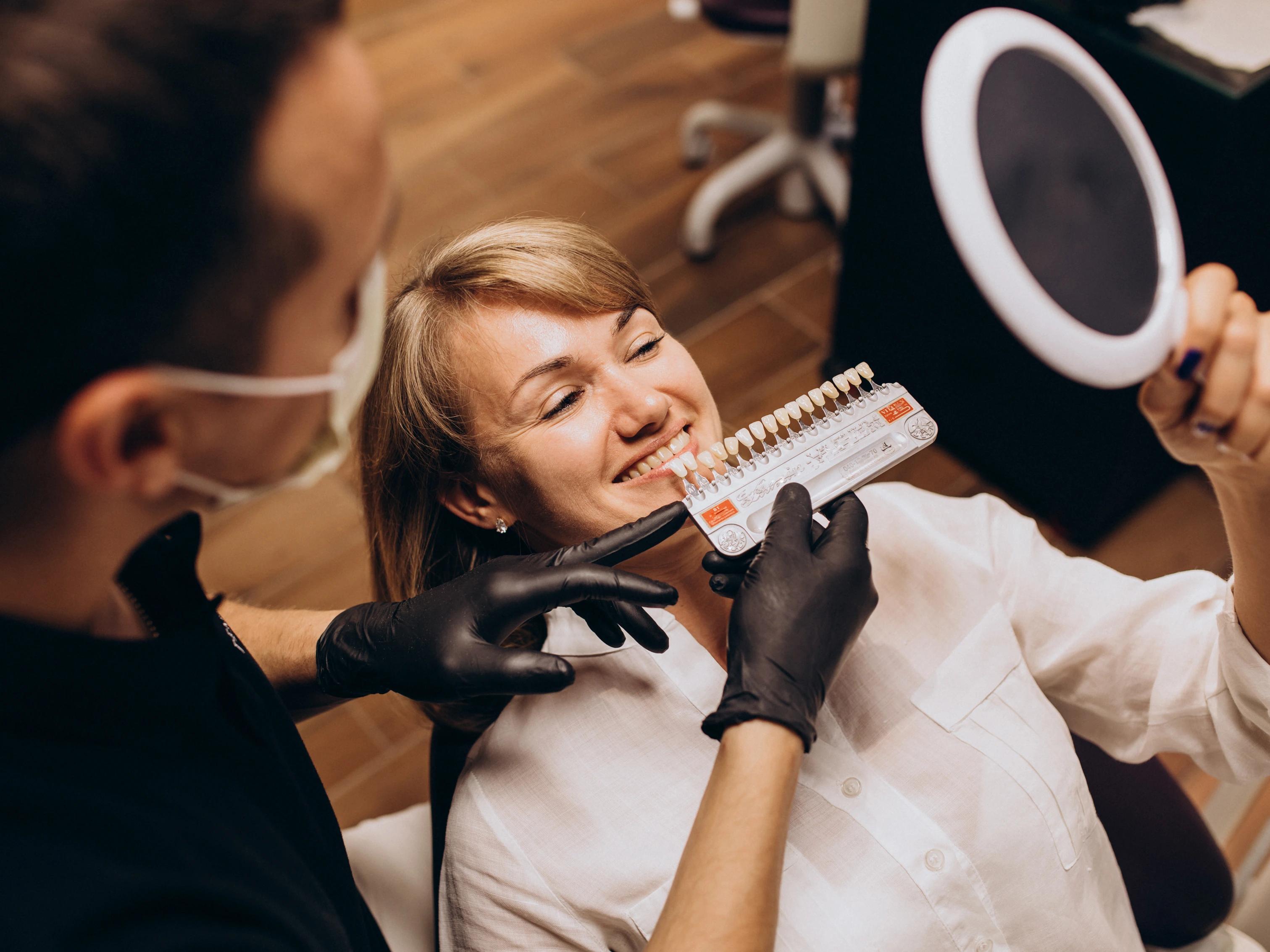
Choosing between dental veneers vs crowns involves balancing biological preservation with structural needs. Veneers are thin 0.3mm to 0.5mm shells ideal for cosmetic surface corrections on healthy teeth, whereas crowns provide 360-degree reinforcement for damaged or root-canaled teeth. With costs in popular destinations like Turkey or Albania ranging from £180 to £400, the best choice depends on whether you value minimal prep or maximum strength.
Quick Tips
Tip 1: Always choose veneers for healthy teeth to preserve natural enamel and prevent future pulpal distress.
Tip 2: Opt for Zirconia crowns if you suffer from bruxism as they withstand higher grinding forces.
Tip 3: Verify that your chosen overseas clinic holds an International Health Tourism Authorization Certificate for safety.
What Are the 5 Key Differences Between Veneers and Crowns?
The choice between a veneer and a crown is determined by the amount of natural tooth structure remaining and the functional goal of the dental work. While veneers focus on the "facial" or front surface of the tooth, crowns provide a full-coverage "cap" that protects the entire structure from biting forces.
- Structural Removal: A dental veneer procedure is minimally invasive, removing only 0.3mm to 0.7mm of surface enamel. In contrast, a dental crown procedure requires the removal of 1.5mm to 2.0mm of tissue circumferentially.
- Biological Debt: Veneers preserve almost all of the tooth's core, whereas crowns remove 60% to 70% of the coronal mass, which can lead to "biological debt" or future root canal needs.
- Bonding Surface: Veneers rely on bonding to enamel, which is a very strong connection. Crowns typically bond to dentin, as most of the enamel is removed during preparation.
- Primary Purpose: Veneers are almost exclusively for "Aesthetic Masking" of gaps, chips, or stains. Crowns are for "Structural Reinforcement" of teeth weakened by decay or large fillings.
- Clinical Suitability: Veneers are best for "virgin" teeth with no previous damage. Crowns are mandatory for teeth that have undergone root canal therapy or have lost more than 50% of their natural structure.
Dental Veneers vs Dental Crowns
| Feature | Dental Veneers (E.max) | Dental Crowns (Zirconia) |
|---|---|---|
Tissue Loss | 3% to 30% of coronal mass | 60% to 70% of coronal mass |
Typical Thickness | 0.3mm to 0.5mm | 1.5mm to 2.0mm |
Material Strength | 400 MPa (E.max) | Up to 1200 MPa (Zirconia) |
Ideal Case | Gaps, minor chips, staining | Root canals, fractures, decay |
References:
British Dental Association
NHS Dental Treatments
What Are the Pros and Cons of Each Option?
Every restorative choice involves a trade-off between the longevity of the tooth and the immediate visual result desired by the patient. Understanding these pros and cons is essential for avoiding "Turkey Teeth" scenarios where healthy enamel is unnecessarily sacrificed.
Veneers offer the most natural light reflection because lithium disilicate (E.max) mimics the translucency of human enamel perfectly. However, they are thinner and more prone to chipping if used on patients who grind their teeth. Crowns, especially Zirconia, are nearly indestructible but can sometimes look "chalky" or opaque if not layered with porcelain by a skilled technician.
Pros and Cons of Porcelain Veneers
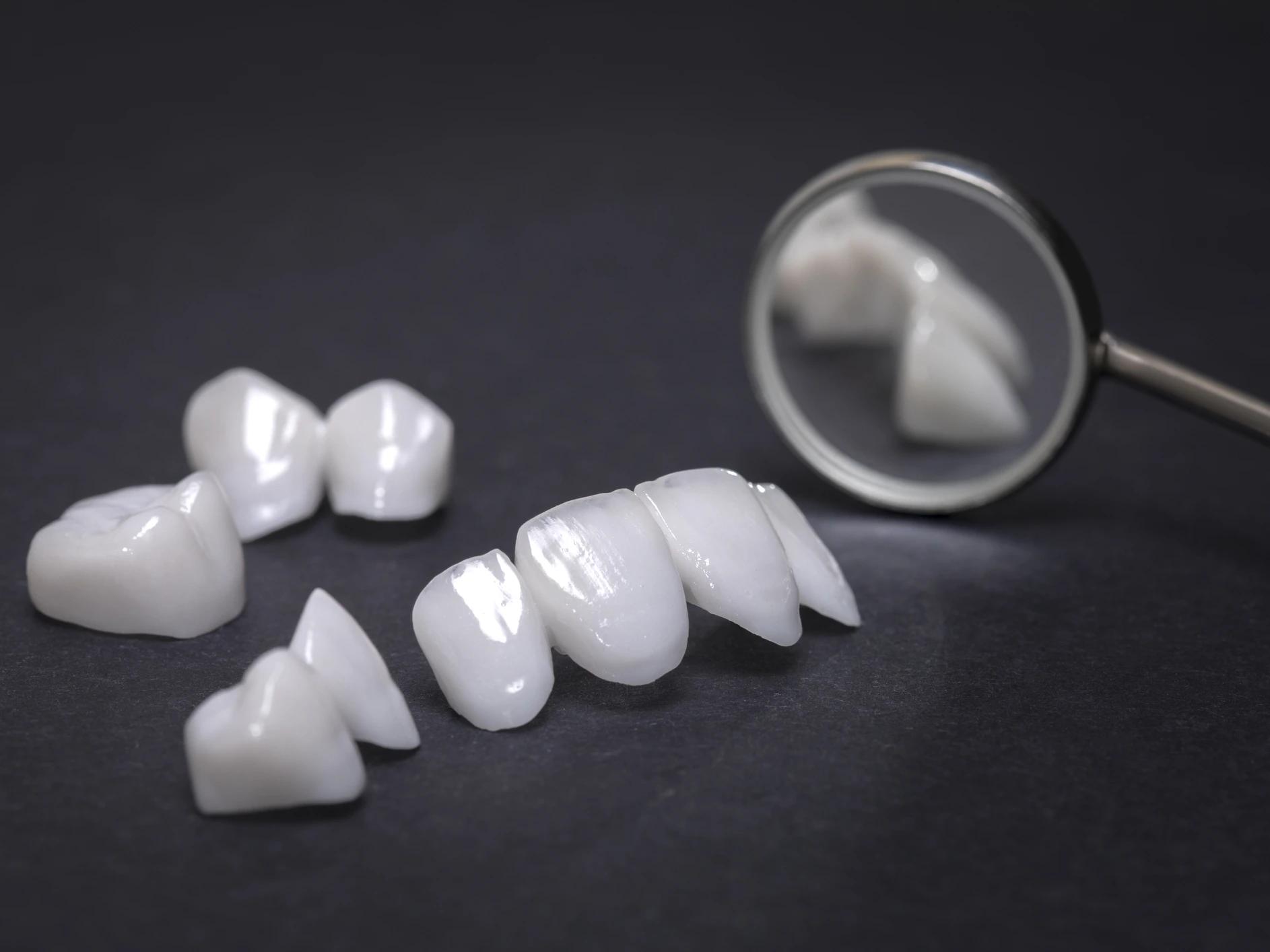
Porcelain veneers, often fabricated from E.max (lithium disilicate), are highly aesthetic and durable when used in appropriate clinical situations. Their primary advantage lies in their minimal invasiveness and ability to transform a smile with little impact on the underlying tooth structure.
Pros:
- Minimally Invasive: Only a small amount of enamel (0.3mm to 0.7mm) needs to be removed, preserving most of the natural tooth structure. This reduces the risk of future pulpal complications compared to crowns.
- Superior Aesthetics: Veneers offer excellent translucency and light-reflecting properties, closely mimicking natural tooth enamel. They are highly stain-resistant, maintaining their bright appearance over time.
- Rapid Smile Transformation: Multiple aesthetic issues like staining, minor chips, gaps, and misalignments can be corrected simultaneously in just a couple of appointments, leading to a dramatic smile makeover.
- High Biocompatibility: Porcelain is well-told by gum tissue, leading to healthy gum margins and a reduced risk of irritation or inflammation.
- Durability (when properly cared for): With good oral hygiene and avoiding habits like nail-biting or ice chewing, porcelain veneers can last 10-15 years or even longer.
Cons:
- Irreversible Procedure: Although minimal tooth structure is removed, it is an irreversible process. The tooth will always require a restoration after initial preparation.
- Susceptible to Chipping/Fracturing: While strong, veneers are thin and can chip or fracture under excessive biting forces, especially in individuals with bruxism (teeth grinding) or those who bite on hard objects.
- Cannot Repair Severely Damaged Teeth: Veneers are primarily a cosmetic solution for healthy teeth. They cannot restore teeth with extensive decay, large fillings, or significant structural damage.
- Cost: Veneers can be a significant investment, particularly for multiple teeth, though costs are often lower in dental tourism destinations.
- Sensitivity: Some patients may experience temporary post-operative sensitivity to hot or cold temperatures, though this typically subsides.
Let’s Talk About Your Smile - Free Consultation
Trusted by thousands of international patients in Albania

Pros and Cons of Dental Crowns
Dental crowns, particularly Zirconia, are robust restorations that encase the entire tooth structure, providing significant strength and protection. They are the go-to solution for teeth that are heavily damaged, decayed, or have undergone root canal treatment.
Pros:
- Maximum Strength and Protection: Crowns provide 360-degree coverage, reinforcing weakened teeth against further fracture and protecting them from decay. This is especially crucial for teeth that have undergone root canal therapy or have large fillings.
- Restores Functionality: Crowns can restore the full chewing function of a severely damaged or decayed tooth, allowing patients to eat and speak comfortably.
- Versatile Application: Suitable for a wide range of issues including extensive decay, large fractures, protecting root canal-treated teeth, resolving significant bite problems, and improving aesthetics of severely discolored or misshapen teeth.
- Long Lifespan: High-quality Zirconia crowns are incredibly durable and can last 15-20 years or more with proper care and maintenance, often outliving veneers due to their comprehensive coverage and material strength.
- Bridge Gaps: Crowns are essential components of dental bridges, used to replace one or more missing teeth by anchoring to adjacent natural teeth or implants.
Cons:
- Significant Tooth Reduction: The procedure requires a substantial removal of the natural tooth structure (60-70% of the coronal mass), which is irreversible. This "biological debt" increases the risk of future pulpal problems, including the need for a root canal.
- Potential for Pulpitis: Due to the extensive tooth preparation, the heat and trauma involved can sometimes lead to irreversible inflammation of the tooth's nerve (pulpitis), necessitating root canal treatment.
- Aesthetic Compromises (less common with Zirconia): Older PFM (porcelain-fused-to-metal) crowns can show a dark line at the gum line over time. While Zirconia crowns offer superior aesthetics, they can sometimes appear more opaque or "chalky" compared to veneers if not expertly layered with porcelain.
- Higher Material Cost (for some types): While overall treatment cost might be similar to veneers, the lab fabrication of certain premium crown materials can be more expensive.
- Potential for Gum Inflammation: Poorly fitted crown margins can trap plaque and food debris, leading to gum inflammation (gingivitis) and potentially periodontal disease if not addressed.
| Option | Pros (5 points each) | Cons (5 points each) | Notes |
|---|---|---|---|
Veneers | Minimal tooth shaving; Superior aesthetics; Rapid transformation; High biocompatibility; Durable (10-15 years) | Irreversible; Can chip/fracture; Cannot fix severe damage; Costly; Temporary sensitivity | Best for the "Social Six" front teeth, primarily aesthetic |
Crowns | Maximum strength; Restores functionality; Versatile; Long lifespan (15-20+ years); Bridges gaps | Major tooth reduction; Pulp risk; Aesthetic compromise (older types); Costly; Gum inflammation risk | Necessary for heavy biting loads, structural reinforcement |
Composite | Cheapest; Reversible; Fast; Direct application; Easy repair | Stains easily; Shorter life; Less strong; Limited scope; Can look less natural | Good for "Trial Smiles" and minor corrections |
Zirconia | Incredible durability; Hypoallergenic; Excellent strength; Good aesthetics; Biocompatible | Hard to remove; Opaque look (if not layered); High cost; Requires significant tooth prep; Can be abrasive to opposing teeth | Ideal for molars and grinders, full arch rehabilitation |
How Much Do Veneers vs Crowns Cost Abroad?
The cost of dental veneers vs crowns is a major driver for the 2025-2026 dental tourism market, where UK patients can save up to 80% on private fees. While London prices for a single E.max veneer often exceed £800, European hubs offer the same materials for a fraction of the price due to lower overheads.
In Turkey, a full smile makeover with 20 Zirconia crowns might cost between £3,500 and £5,000, including luxury accommodation. Albania has emerged as the 2025 value leader, with single crowns starting as low as £200. Hungary remains the "Old Guard" of quality, focusing on complex rehabilitations rather than just high-volume cosmetic packages.
- Turkey: Best for all-inclusive high-volume cosmetic work.
- Hungary: Preferred for clinical precision and long-term stability.
- Poland: High technical excellence following strict EU Directive 2005/36/EC standards.
- Albania: Rising destination for the most price-competitive and high quality E.max and Zirconia options.
Sources:
Turkish Dental Association
Polish Chamber of Physicians and Dentists
How Long Is the Durability and Maintenance Period?
The lifespan of your restoration depends heavily on your daily habits and the quality of the initial bonding process. Porcelain veneers typically last 10 to 15 years, while high-quality Zirconia crowns can last 20 years or more if maintained correctly.
Maintenance for both requires standard brushing and flossing, but specific care must be taken at the "margin"-where the restoration meets the gum line. This is the most vulnerable area for secondary decay. It is important to note that 10% to 15% of teeth receiving full crowns may develop irreversible pulpitis within a decade due to the heat and trauma of the heavy preparation process.
- Bruxism Protection: If you grind your teeth, a custom night guard is mandatory to prevent fracturing ceramic.
- Food Habits: Avoid biting directly into hard objects like ice or hard sweets, especially with veneers.
- Professional Cleaning: Regular 6-month check-ups are required to monitor the integrity of the dental cement.
"The goal of modern restorative dentistry is not just to replace what is missing, but to emulate the natural tooth's biology, mechanics, and aesthetics so it can function seamlessly for a lifetime." — Dr. Pascal Magne, Associate Professor of Restorative Sciences.
Let’s Talk About Your Smile - Free Consultation
Trusted by thousands of international patients in Albania
How to Choose the Right Treatment for You?
Choosing between dental veneers vs crowns requires a "First Do No Harm" approach. Think of your natural enamel as a limited bank account; once you spend it on a crown prep, you can never get it back. The "50% Rule" remains the gold standard: if more than 50% of the natural facial enamel is present, a veneer is the superior clinical choice.
- Check Enamel Integrity: Do you have enough enamel for a strong adhesive bond?
- Evaluate Tooth Health: Has the tooth had a root canal or a massive filling?
- Analyze Biting Forces: Do you grind your teeth at night or have a "heavy" bite?
- Determine Aesthetic Goals: Are you looking to change the color/shape or the strength?
- Consider Age: Younger patients (20s-30s) should almost always opt for the most conservative prep possible to preserve tooth life.
Frequently Asked Questions
Which is more expensive, veneers or crowns?
In most clinics, the veneers vs crowns cost is very similar because the lab fees for high-quality E.max and Zirconia are comparable. However, crowns are more likely to be covered by dental insurance because they are classified as "restorative" rather than "cosmetic."
Can I get veneers if I grind my teeth?
Patients with bruxism are generally poor candidates for traditional 0.3mm veneers as the horizontal forces will cause them to chip. In these cases, Zirconia crowns or the use of a mandatory nocturnal bite guard is recommended.
Is the dental crown procedure painful?
No, the procedure is performed under local anaesthetic. However, because crowns involve more significant tooth reduction, some patients experience post-operative sensitivity to hot and cold for several weeks.
Are these procedures reversible?
Neither procedure is reversible. Because a portion of the natural enamel is removed, the tooth will always require a restoration. "No-prep" veneers are the only exception, though they are only suitable for very specific cases.
Final Thoughts
Navigating the world of dental clinics abroad can be daunting, but understanding the biomechanical differences between veneers and crowns provides the "food insurance" you need for a healthy smile. Always prioritize the preservation of your natural tooth structure when possible. If you are ready to transform your smile at a clinic in Tirana, consult with a qualified professional to create a digital smile design that respects your biological limits and Albania tourism growth.
Author

Dr. Irma Marku
Dr. Irma Marku is an experienced General Dentist and founder of Dental Oasis. She has a strong background in the hospital and healthcare industry, with expertise in Endodontics, Dentistry, Patient Education, Medicine, and Oral Surgery. Dr. Marku is a dedicated professional with a solid academic foundation, holding a degree in Dentistry from the University of Medicine, Tirana.