
What Is the Best Material for All-on-4 Implants: Zirconia or Titanium?
Selecting the right material for dental implants plays an important role in long-term treatment success. Titanium and zirconia are both common in modern implant dentistry, so patients often compare them. However, for All-on-4 implants, their roles and suitability are not the same.
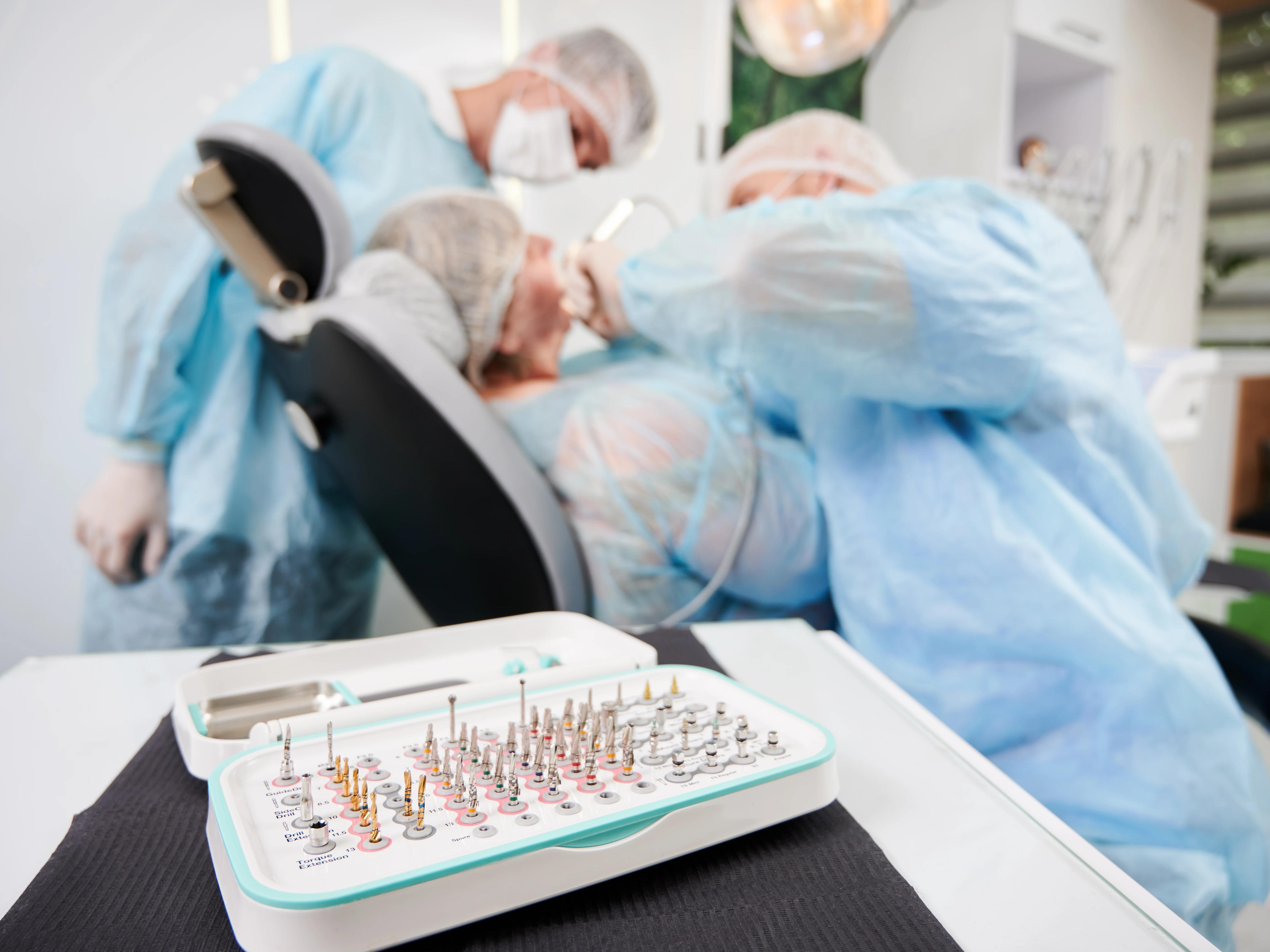
Choosing the right dental implant materials is an important part of long-term treatment success. Patients often compare titanium implants and zirconia implants because both materials are used in modern implant dentistry. However, when it comes to All-on-4 implants, these materials should not be presented as equally suitable implant options.
TL;DR
For All-on-4 dental implants, titanium is the standard and clinically preferred implant material. Titanium implants are strong, durable, and better able to handle the biting forces and weight distribution involved in supporting a full arch of teeth.
Zirconia implants can be a good option in selected cases, but they are generally better suited for individual tooth replacement, aesthetic-zone restorations or patients who prefer a metal-free material. However, zirconia is more brittle than titanium and is not generally recommended for All-on-4 or other high-load full-arch implant treatments.
Quick Tips
- Choose titanium for All-on-4 and full-arch implants.
- Use zirconia mainly for single teeth or select short-span cases.
- For All-on-4, prioritize strength, bone support, bite force, and maintenance.
How Do Titanium and Zirconia Differ in Performance?
Titanium, particularly Grade 23, provides an excellent balance of fatigue resistance, ductility, and tensile strength, allowing it to tolerate the dynamic forces encountered in full-arch restorations such as All-on-4. Zirconia offers high strength, chemical stability, and a metal-free option with excellent aesthetics, but as a ceramic material it is more brittle and less tolerant of bending, cantilever forces, or non-axial loading.
The elastic modulus significantly varies between these materials, influencing how stress is distributed within the implant assembly and surrounding bone. Titanium’s elastic modulus is approximately 110 GPa, making it more compliant than zirconia, which is approximately 205–210 GPa. Cortical bone is much less stiff, commonly reported around 10–30 GPa, meaning titanium is closer to bone mechanically than zirconia, although both materials are considerably stiffer than natural bone. Zirconia also tends to show lower plaque biofilm affinity compared with titanium, which may support favourable soft-tissue response.
| Feature | Titanium (Grade 23) | Zirconia (Y-TZP) |
|---|---|---|
Elastic Modulus (GPa) | 110 | 210 |
Density/Weight | Moderate | High |
Ductility | Excellent (elastic deformation) | Brittle (susceptible to crack propagation) |
Plaque Biofilm Affinity | Moderate | Extremely Low |
Aesthetic Outcome | Can show grey hue in thin tissues | Optimal (ivory colour, metal-free) |
- Grade 23 titanium offers exceptional fatigue resistance and ductility for dynamic loads.
- Zirconia, lacking titanium's ductility, is brittle and prone to fracture under non-axial stress.
- Titanium implants achieve higher bone-implant contact (BIC) at 12 weeks than zirconia variants.
| Aspect | Titanium (Grade 23) | Zirconia (Y-TZP) |
|---|---|---|
Best for | High-load, full-arch, and long-term reliability cases | Aesthetic-zone and metal-free treatment preferences |
Typical cost | Generally moderate and widely available | Often higher due to material and manufacturing complexity |
Time to results | Well-established protocols with predictable outcomes | Predictable in selected cases, but more technique-sensitive |
Key trade-off | Excellent strength and ductility, but may show grey hue in thin tissue | Excellent aesthetics and low plaque affinity, but more brittle |
Let’s Talk About Your Smile - Free Consultation
Trusted by thousands of international patients in Albania

How Does Material Choice Impact Long-Term Durability and Failure Points?
Material choice affects how dental implants respond to daily chewing, clenching, grinding, and long-term prosthetic loading. In an All-on-4 case, the implant fixtures must support a full arch of teeth using only four implants. Two posterior implants are commonly angled to improve support and reduce the need for bone grafting. This design places major importance on implant strength, connection stability, and load distribution.
- Titanium implants are generally preferred for full-arch treatments because of their strength and ability to tolerate long-term biting forces.
- All-on-four rehabilitation has demonstrated high survival rates over 3–17 years, making it a reliable option when carefully planned and maintained.
- Zirconia implants show promising results in selected cases, including a reported 10-year cumulative survival rate of 95.1%, but the evidence is less extensive than for titanium and implant fractures have been reported, especially in narrow-diameter implants.
What Are the Cost Differences for All-on-4 Implant Materials?
When patients search for “zirconia vs titanium All-on-4 implants,” cost comparisons can be confusing. The main reason is that “zirconia” may refer to two different things: the implant fixture placed in the jawbone, or the final prosthetic bridge attached to the implants.
For All-on-4 dental implants, the implant fixtures are typically titanium. The final bridge may be made from different materials, such as acrylic, composite, titanium-reinforced materials, or zirconia, depending on the case, budget, bite, aesthetics, and the dentist’s recommendation. A zirconia bridge may cost more than some other final prosthetic options because of the material and laboratory work involved.
Patients should therefore ask for an itemized treatment plan that explains:
- The implant fixture material.
- The implant brand or system.
- The temporary bridge material.
- The final bridge material.
- Whether bone grafting is needed.
- Maintenance, repair, and follow-up costs.
For full-arch dental implants, titanium remains the standard implant material, while zirconia may be considered as a prosthetic material in selected final bridge designs.
Cost Comparisons in Dental Tourism Destinations
Dental tourism can offer lower treatment fees in countries where clinical, laboratory, and operating costs differ. However, patients should not compare clinics only by headline prices. A lower quote may not include the same implant system, prosthetic material, temporary teeth, CT scans, aftercare, or follow-up appointments.
For titanium All-on-4 dental implants, prices vary widely by destination. In Mexico, titanium All-on-4 treatment may range from approximately $6,000 to $15,000 per arch, depending on the clinic, city, implant brand, and whether the package includes temporary and final teeth. In Thailand, titanium All-on-4 packages are often advertised from around $7,000 to $15,000 per arch. In European dental tourism destinations such as Hungary, prices can range from approximately $6,000 to $14,000 per arch, although some clinics may quote lower or higher depending on what is included. However, the absolute prices can differ by thousands of dollars depending on the chosen destination, such as the impressive Albania tourism growth observed recently.
These figures are illustrative and can depend heavily on the specific clinic, the technology used, and the included services, such as temporary prosthetics or aftercare. Patients should request detailed quotes comparing both material options before committing to treatment abroad.
When Are Zirconia Implants Preferred Over Titanium?
Zirconia implants may be preferred for selected individual tooth replacement cases, especially for patients with thin gum tissue, high aesthetic expectations, or a preference for a metal-free option. Their tooth-like color is useful in the front of the mouth, where grey show-through from metal may be a concern.
Current consensus supports zirconia implants as an alternative to titanium in selected cases. Evidence is strongest for one-piece zirconia implants used for single crowns and three-unit fixed prostheses, while newer two-piece designs have more limited evidence.
This is very different from an All-on-4 case, where implants replace a full arch and support a complete bridge. Zirconia implants are not usually chosen for this because they are more brittle, less forgiving under complex loading, and require favorable bone volume and positioning.
Zirconia may be considered when:
- One tooth is being replaced.
- The case is in the aesthetic zone.
- The bite forces are moderate.
- There is enough bone volume.
- The patient strongly prefers a metal-free implant.
Titanium is preferred when:
- A full arch is being replaced.
- Multiple teeth are missing.
- The bite is strong or uneven.
- Implants need to support a long bridge.
- Bone volume or implant angulation is a concern.
What Maintenance Considerations Are Unique to Each Material?
All dental implants require professional maintenance, excellent home care, and regular check-ups. The maintenance needs differ depending on whether the case involves a single implant crown or a full-arch restoration.
For titanium All-on-4 implants, maintenance focuses on keeping the implants, gums, abutments, and underside of the bridge clean. Patients need:
- Professional hygiene appointments.
- Regular bite checks.
- Periodic evaluation of the prosthesis.
- Monitoring of the bridge, screws, teeth, and acrylic or ceramic components.
Titanium implants are durable, but the restoration attached to them may still need maintenance, adjustment, or repair over time.
For zirconia implants, maintenance depends heavily on careful case selection and bite control. Because zirconia is more brittle than titanium, dentists must pay close attention to:
- Occlusion and bite forces.
- Grinding or clenching habits.
- Implant diameter and position.
- Prosthetic design and load distribution.
How to Choose the Right All-on-4 Implant Material for You
Selecting the right material for your All-on-4 implants involves careful consideration of several factors tailored to your specific needs and oral health. Your dentist will help you weigh the benefits and drawbacks of each option. When looking for care, you must know how to choose dental clinic abroad to ensure clinical safety.
- Aesthetic Priorities: Do you need optimal translucency and a natural tooth appearance without any metallic show-through?
- Grinding or Heavy Bite: Do you have a history of bruxism or a particularly strong bite that requires a material with more flexibility?
- Allergy Concerns: Have you experienced sensitivities or allergies to metals, making a metal-free option preferable?
- Long-Term Durability vs. Repairability: Are you seeking maximum fracture resistance, or is the ease of chair-side repair a higher priority?
- Your dentist will help you weigh the benefits and drawbacks of each option.
- Selecting the right material for your All-on-4 implants involves careful consideration of several factors tailored to your specific needs and oral health.
Let’s Talk About Your Smile - Free Consultation
Trusted by thousands of international patients in Albania
Final Thoughts
For All-on-4 dental implants, titanium remains the preferred material because it offers the strength, flexibility, and durability needed to support a full arch of teeth.
Zirconia implants can be suitable for selected single-tooth cases, especially for aesthetic or metal-free preferences, but they are generally less ideal for full-arch treatments. For most All-on-4 cases, titanium provides the safest and most predictable foundation.
Frequently Asked Questions
Is zirconia or titanium stronger for All-on-4 implants?
Titanium offers superior ductility and fatigue resistance, making it more resilient to dynamic chewing forces, while zirconia possesses high compressive strength but is more brittle.
How does the weight of the material affect comfort?
Zirconia is denser and heavier than titanium, which can affect patient comfort and oral proprioception, potentially making it feel more substantial in the mouth.
Can allergic reactions occur with All-on-4 implants?
While rare, some individuals can experience type IV allergic reactions to titanium due to tribocorrosion; zirconia offers a metal-free alternative for hypersensitive patients.
What happens if a zirconia bridge chips?
Minor chipping of monolithic zirconia bridges can often be polished in situ, though more significant damage may require laboratory repair or replacement due to its brittle nature.
How does material choice affect the treatment timeline?
Zirconia requires longer milling and sintering times, potentially extending the overall treatment timeline compared to some titanium solutions or immediate load acrylics.
Author

Dr. Irma Marku
Dr. Irma Marku is an experienced General Dentist and founder of Dental Oasis. She has a strong background in the hospital and healthcare industry, with expertise in Endodontics, Dentistry, Patient Education, Medicine, and Oral Surgery. Dr. Marku is a dedicated professional with a solid academic foundation, holding a degree in Dentistry from the University of Medicine, Tirana.